Don't Get Grounded: The Ultimate Map to Global Travel Alerts

Staying Informed: The Importance of Global Travel Alerts
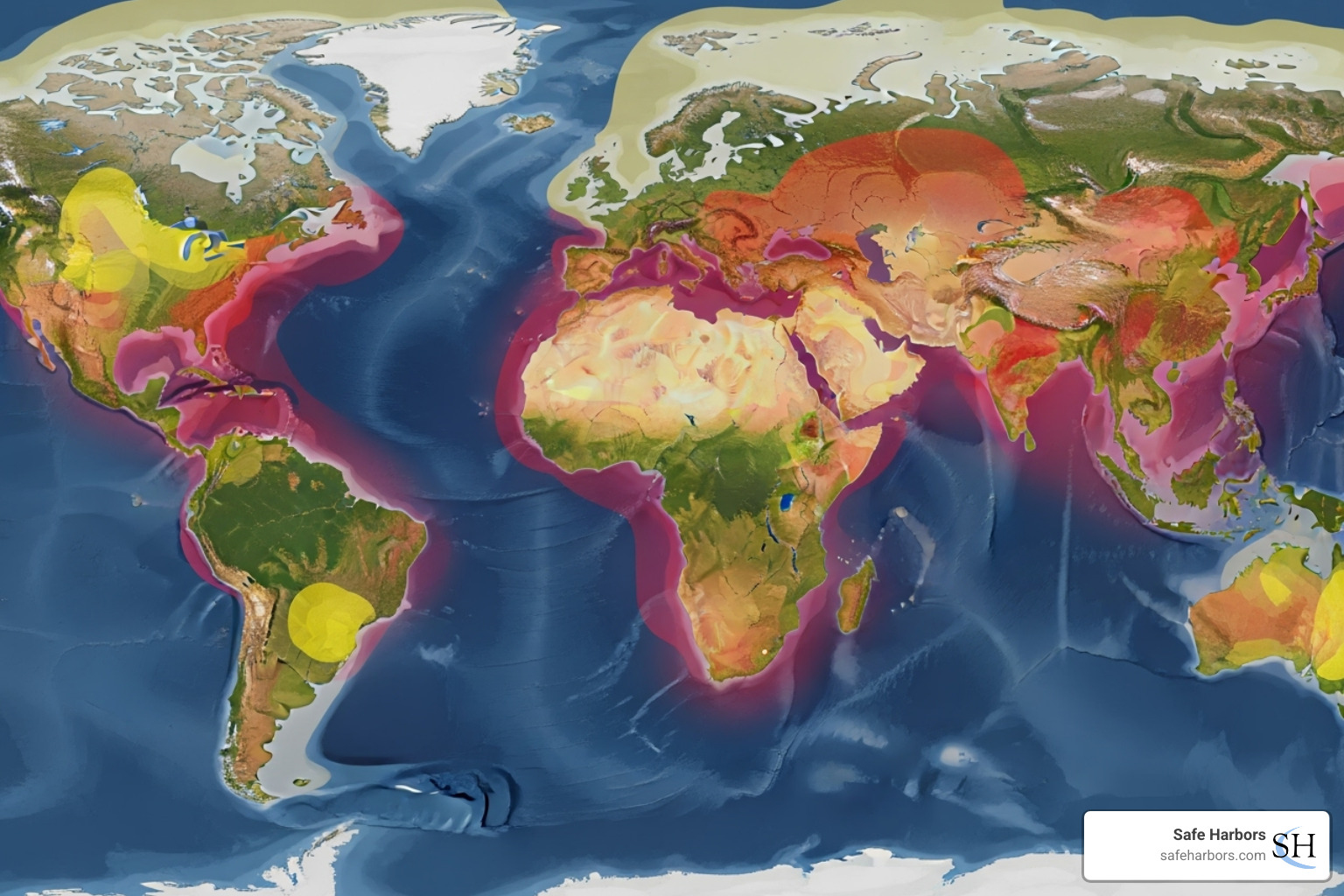
global travel alerts - global travel alerts

Global travel alerts are official warnings from governments and health organizations about risks to travelers in international destinations, covering security, health, and environmental threats. They are essential for making smart travel decisions.

The world of international travel can feel uncertain. Geopolitical events, health concerns, and natural disasters can change rapidly. For corporate travel managers, keeping employees safe is a top priority. This is where global travel alerts become your most important tool.

Understanding these alerts isn't just about avoiding disruptions. It's about fulfilling your duty of care. It means protecting your team and your business.

This guide will give you a clear map to understanding and using global travel alerts. We'll show you where to find them. We'll explain what they mean. And we'll help you prepare for any challenge.
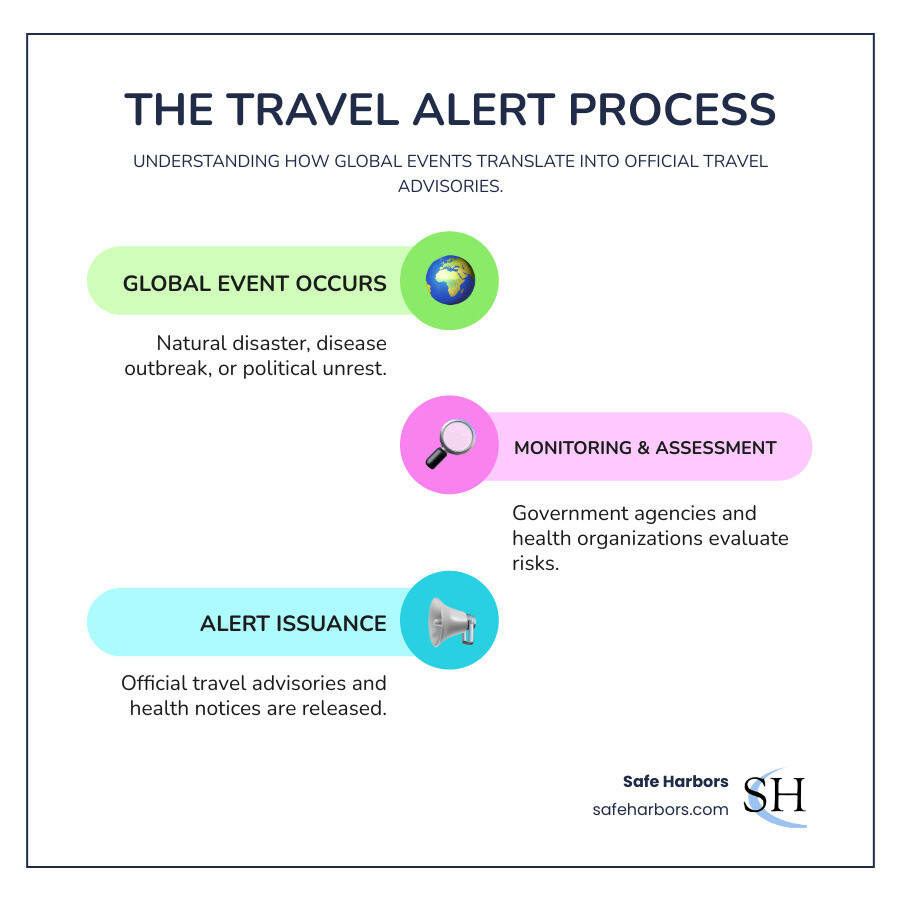
Infographic showing the process of a global event (e.g., natural disaster, disease outbreak, political unrest) being monitored by government agencies and health organizations, leading to the assessment of risk indicators, and finally the issuance of official travel advisories or health notices to inform travelers. - global travel alerts infographic infographic-line-3-steps-colors

Decoding Travel Advisories: Understanding the Levels of Risk

Imagine you're planning an exciting international trip – maybe for business, maybe for a well-deserved break. One of the best ways to ensure a smooth journey is to understand the potential risks ahead. That's where global travel alerts and advisories come in! Think of them as your personal risk radar, offering a quick peek at what's happening in your destination. Different countries use their own clever systems to help you gauge these risks, empowering you to make truly informed decisions.

Four-color chart showing advisory levels from 1 to 4 - global travel alerts

Let's take a look at how these systems typically work. The U.S. Department of State, for instance, uses a super clear, four-level system for its travel advisories. Each level gives you a specific idea of the caution needed:

At Level 1: Exercise Normal Precautions, it means things are generally calm. While there's always some risk with international travel (that's just part of exploring!), there are no specific or unusual concerns. Places like Canada often fall into this comfortable category. Next, we have Level 2: Exercise Increased Caution. This level suggests there are a few more bumps in the road – perhaps a higher crime rate or some local unrest. It's a signal to be a bit more aware of your surroundings, like when Albania was a Level 2 due to crime concerns.

Then comes Level 3: Reconsider Travel. This is where you pause and think seriously about your trip. There are significant risks to your safety and security, which could include high crime, frequent terrorist activity, or widespread civil unrest. Finally, the most serious level is Level 4: Do Not Travel. This is a stark warning, indicating a life-threatening risk. The U.S. government's ability to help its citizens in these areas might be severely limited or even impossible. Historically, places like Afghanistan, Burma (Myanmar), and Sri Lanka have been at Level 4 due to severe conditions like conflict, crime, and health crises.

For all the detailed explanations and current country advisories, you can always check out the U.S. Department of State's Travel Advisories page. It's a fantastic resource!

Now, while the U.S. system is a great guide, it's worth knowing that many other countries also issue their own global travel alerts and advisories. They might have slightly different names for their levels, but the idea is the same! For example, Canada's system, managed by Global Affairs Canada, uses phrases like "Take normal security precautions" or "Avoid non-essential travel." Similarly, Australia's Smartraveller and the UK's Foreign, Commonwealth & Development Office (FCDO) offer their own distinct advice. These differences often reflect how each government sees risk and how much support they can offer their citizens abroad. Our best advice? Always, always check your home country's official advisories before you head off on any international adventure. It's an essential step in your proactive planning!

The Who's Who of Global Travel Alerts: Official Sources and Updates

Staying safe when you travel means knowing where to look for reliable information. Official global travel alerts come straight from the most trusted sources: government agencies and international health organizations. Think of them as your personal watchdogs, monitoring situations worldwide in real-time. They provide the most accurate, up-to-the-minute details you need to make smart choices. As we’ve explored in News and Trends in Corporate Travel: Managing World Troubles to Transparent Travel Data, having transparent access to this crucial data is key to effective risk management for any traveler or business.

Primary Government Sources for Travel Advisories

When it comes to your safety abroad, your home country's government is your first and best resource. These agencies are dedicated to the well-being of their citizens overseas and issue advisories based on a huge range of factors, from local laws to security threats.

For U.S. citizens, the U.S. Department of State is your primary guide. Their U.S. Travel Advisories website is packed with country-specific information, covering everything from security concerns to entry and exit requirements. You can even find contact details for U.S. Embassies & Consulates around the globe, which can be invaluable if you ever need help.

If you're traveling from Canada, Global Affairs Canada is your official go-to. Their Travel.gc.ca site offers detailed travel advice and advisories for destinations worldwide, keeping you informed about safety and security conditions.

For our friends from the UK, the UK Foreign, Commonwealth & Development Office (FCDO) provides comprehensive travel advice pages. These cover safety, security, local laws, and entry requirements for countries around the world. And for Australians, Smartraveller from the Australian Department of Foreign Affairs and Trade is your reliable source for up-to-date travel advice, helping you make informed decisions about your overseas adventures.

Health-Specific Alerts: The Role of the CDC and WHO

Beyond general safety, health risks can really throw a wrench in your travel plans. Things like disease outbreaks and pandemics need special attention, and that's where two major organizations step in to provide critical health-related global travel alerts:

The Centers for Disease Control and Prevention (CDC) issues what they call Travel Health Notices (THNs). These are designed to keep you informed about global health risks, covering everything from common disease outbreaks like Chikungunya, Dengue, Polio, Measles, and Yellow Fever, to unusual cases in new places, or even health risks tied to natural disasters and large gatherings. Just like the State Department, the CDC uses a four-level system for these notices: Level 4 (Avoid All Travel), Level 3 (Reconsider Nonessential Travel), Level 2 (Practice Improved Precautions), and Level 1 (Practice Usual Precautions). You can find these vital updates on the CDC Travel Health Notices page. They also offer comprehensive information on general Travelers' Health and specific vaccination recommendations.

The World Health Organization (WHO) provides global health guidance and recommendations, including crucial information on vaccination requirements and how to prevent diseases when traveling internationally. Their WHO travel advice page offers general health tips, and you can find specific documents on topics like Zika, Dengue, and Chikungunya. They also detail Vaccination requirements and recommendations for various countries, reminding us, for example, about the importance of being up-to-date on polio vaccines before traveling to certain areas.

Understanding Triggers and Risk Indicators for global travel alerts

Ever wonder how often these advisories change, and what makes them change? Travel advisories are far from static. They're dynamic, living documents! The U.S. State Department, for instance, reviews Level 1 and 2 advisories every 12 months, and Levels 3 and 4 at least every 6 months. But here’s the key: they are updated any time conditions change significantly. This means a sudden event – like civil unrest or a natural disaster – can trigger an immediate update, no matter when the last review was.

To help you understand the why behind an advisory level, the U.S. State Department uses specific risk indicators. These are like shorthand codes that tell you what dangers are present. Here's a quick look at what they mean:

  • C: Crime – This means high levels of violent crime, organized crime, or specific types of crime that might target travelers.
  • T: Terrorism – Indicates a threat or actual occurrence of terrorist acts. The Worldwide Caution often highlights this general threat globally.
  • U: Civil Unrest – Refers to demonstrations, riots, strikes, or political instability that could disrupt daily life and pose a danger.
  • H: Health – Signals outbreaks of infectious diseases, limited medical facilities, or other extreme health risks. The CDC's THNs are a perfect example of this indicator in action.
  • N: Natural Disaster – Points to events like earthquakes, tsunamis, hurricanes, or floods. Our blog on Six Tips for Prepping for a Natural Disaster While Away on Business offers useful advice for these situations, especially during hurricane season.
  • E: Time-Limited Event – Used for a specific event that poses a temporary risk, such as a major sporting event or a significant political gathering.
  • K: Kidnapping or Hostage Taking – Indicates an increased risk of abduction.
  • D: Wrongful Detention – Highlights the risk of arbitrary arrest or detention by a foreign government.
  • O: Other – A catch-all for any other significant risk not covered by the categories above.

Understanding these indicators is crucial. For example, if you see a Level 4 advisory for a country, it might be due to a combination of "Unrest (U)," "Crime (C)," and "Health (H)" risks, giving you a clear picture of the specific dangers involved.

Proactive Preparation: Your Checklist for Safe International Travel

Okay, so you've learned to decipher those global travel alerts like a pro. But here's where the real power comes in: turning that knowledge into action! For us at Safe Harbors, empowering our travelers with smart, proactive preparation isn't just a good idea; it's the heart of our commitment to Business Travel Duty of Care and Risk Management. It's all about making sure you're ready for anything, feeling confident and secure on your journey.

A traveler packing a bag with a checklist overlay - global travel alerts

Being prepared isn't just for boy scouts anymore! It's about taking charge of your travel safety and being ready for whatever the world might throw your way.

How to Stay Informed About Global Travel Alerts

Think of information as your personal superpower. The more you know, the safer and smoother your trip will be. Staying continuously updated on global travel alerts is easier than you might think.

For our U.S. citizens, enrolling in the Smart Traveler Enrollment Program (STEP) is an absolute must-do. This free service from the U.S. Department of State sends you email updates directly from the U.S. embassy or consulate in your destination. Plus, it helps them find you and offer assistance if an emergency pops up abroad. You can Enroll in STEP easily online. Many other countries offer similar programs for their citizens, so be sure to check your home government's travel site!

Even if there isn't a formal program like STEP, it's always a smart move to register your travel plans with your country's embassy or consulate. This simple step can be invaluable for fast communication if things go sideways.

Don't forget about email subscriptions! Many official government and health websites, like the CDC or your country's foreign affairs department, offer direct email alerts for travel notices. Signing up means vital updates land right in your inbox. Some governments even have handy travel apps that deliver real-time updates and advisory info straight to your phone. And while official sources are primary, keeping an eye on reputable local news sources in your destination can give you granular, on-the-ground insights into developing situations.

Essential Pre-Travel Health and Safety Steps

Knowing the risks is one thing, but taking concrete steps to reduce them is where true peace of mind comes from. Here’s your essential checklist before you even pack your bags.

First up, make a date with a travel health clinic. Before any international adventure, especially to places with unique health risks, chatting with a travel health professional is a game-changer. They'll give you destination-specific health advice and make sure you get all the necessary vaccinations. Think beyond the usual; some countries might require proof of yellow fever vaccination, while others recommend protection against diseases like measles or polio, which are seeing increasing cases globally.

Speaking of which, ensure all your routine vaccinations are up to date! Beyond that, get any recommended or required travel-specific vaccinations well in advance. The World Health Organization (WHO) has a fantastic resource detailing Vaccination requirements and recommendations for various countries – your go-to guide!

Don't forget your meds! Always pack an adequate supply of any prescription medications you take, along with a doctor's note and the original prescription. A basic first-aid kit is also a wise addition to your travel essentials.

Take a close look at your travel insurance. Really understand what it covers, especially for medical emergencies, evacuations, and trip cancellations due to advisories. A crucial point: some policies might become void if you choose to travel against a "Do Not Travel" advisory. It’s always best to check!

Having digital copies of your important documents is a lifesaver. Scan your passport, visa, itinerary, insurance details, and emergency contacts. Store them securely in a cloud service or on an encrypted USB drive, completely separate from your physical documents. This way, if your wallet goes missing, you're not stranded.

Finally, create an emergency contact plan. Share your itinerary and emergency contacts with family or trusted colleagues back home. Know exactly how to reach your country's embassy or consulate in your destination. In the event of an Emergency, a clear, pre-discussed plan is absolutely invaluable. And for those unexpected natural disasters, check out our Six Tips for Prepping for a Natural Disaster While Away on Business – because being prepared for anything means covering all bases!

Frequently Asked Questions about Global Travel Alerts

It's completely normal to have questions when navigating global travel alerts! We often hear similar inquiries from both individual travelers and our corporate clients. Let's clear up some of the most common points of confusion.

What's the difference between a travel advisory and a travel alert?

This is a great question, and it's easy to get these terms mixed up because they're often used interchangeably in everyday conversation. Think of it this way:

A travel advisory (like those from the U.S. Department of State) is usually the standing guidance for a country. It’s like the country's general risk forecast, indicating its overall safety level – from a breezy Level 1 to a more serious Level 4. This is a comprehensive assessment that's regularly reviewed, giving you a broad picture of what to expect.

A travel alert (or sometimes called a security alert or worldwide caution) tends to be more about a short-term, specific event that pops up and needs immediate attention. Imagine a sudden storm warning, rather than the general climate. This could be anything from a major protest, an unexpected terrorist threat, or a rapidly developing natural disaster. For example, the U.S. State Department might issue a "Security Alert" for a particular city due to a recent incident, or a "Worldwide Caution" when global tensions rise. Similarly, the CDC primarily uses "Travel Health Notices" (THNs) to alert you to specific health events, like a new disease outbreak.

So, while the words might differ slightly depending on who's issuing them, their shared mission is to arm you with the information you need to stay safe on your journey.

Can I still travel to a country with a 'Level 3' or 'Level 4' advisory?

Legally speaking, if you're a private citizen, these advisories are usually non-binding recommendations. This means you can technically choose to travel to a country with a Level 3 ("Reconsider Travel") or Level 4 ("Do Not Travel") advisory.

However, choosing to do so comes with some very serious considerations you absolutely need to weigh:

  • You're Taking on More Risk: The dangers highlighted in the advisory – be it high crime, terrorism, or significant health risks – are very real. You're knowingly stepping into a potentially dangerous situation, and personal safety becomes a much greater concern.
  • Insurance Might Not Cover You: This is a huge one! Many travel insurance policies, especially those covering medical emergencies, trip cancellations, or evacuations, could be completely voided if you travel against a "Reconsider Travel" or "Do Not Travel" advisory. Always, always check the fine print of your policy before you go.
  • Consular Assistance Could Be Limited: If things go sideways, your home country's government might have very limited or even no ability to help you in a Level 4 country. Resources could be stretched thin, or diplomatic presence might be minimal.
  • Employer Duty of Care (for business travelers): For our business travelers, this is paramount. Employers have a significant Travel Risk Management responsibility. Sending employees into Level 3 or 4 destinations without extreme precautions, and a clear, documented acknowledgment of the risks by the employee, can expose the company to considerable liability. At Safe Harbors, we always advise extreme caution and robust planning for such scenarios.

The decision is yours, based on your personal risk tolerance and the specific circumstances. We strongly recommend thinking twice, and then a third time, before traveling to Level 4 destinations unless it's absolutely essential and you're fully aware of the severe risks involved.

How do I find alerts for a specific region within a country?

You're smart to ask this! It's a common misconception that a country's advisory applies uniformly everywhere. Just like the weather can be sunny in one part of a large country and stormy in another, risks can vary dramatically within a single nation. For instance, while Mexico as a whole might be a Level 2, specific states or cities within Mexico could carry a Level 3 or even a Level 4 advisory due to particular crime concerns.

To get those granular, regional details, here's how to dig deeper:

  • Go Straight to the Country-Specific Advisory Page: Don't just look at the summary. Always click through to the full advisory page for your destination on the official government website (like the U.S. State Department's country information pages). These pages often carefully break down risks by specific regions, states, or even cities.
  • Check Embassy Websites: The website of your country's embassy or consulate in the destination country can be an excellent source for more localized and detailed security alerts. They are on the ground and often have the most up-to-date, hyper-local information.
  • Monitor Reputable Local News: For very specific, real-time, localized information, keeping an eye on trusted local news outlets (using translation tools if needed) can be incredibly helpful. Just be sure to cross-reference anything you find with official government sources to ensure accuracy.

Understanding these regional distinctions is crucial because what's safe in one part of a country might be very risky just a few hundred miles away.

Conclusion: Travel with Confidence in an Uncertain World

The world feels smaller than ever, yet it can also feel more unpredictable. One day you're planning a routine business trip to London. The next, you're wondering if that conference in Bangkok is still safe to attend. This is the reality of modern international travel.

But here's what we've learned: informed travel is safe travel. Understanding global travel alerts transforms uncertainty into manageable risk. When you know how to decode advisory levels, where to find reliable information, and how to prepare proactively, you're no longer at the mercy of world events. You're equipped to handle them.

For corporate travel managers, this knowledge isn't just helpful—it's essential. Your duty of care extends far beyond booking flights and hotels. It means ensuring your team can steer the world safely, whether they're closing deals in Dubai or attending conferences in São Paulo.

This is where expertise makes all the difference. At Safe Harbors, we understand that travel risk management isn't about avoiding the world—it's about engaging with it intelligently. Our comprehensive approach combines real-time monitoring with proactive planning. We don't just book your travel; we protect it with our best response speed and white-glove service.

The world will always have its challenges. Political tensions, health concerns, natural disasters—these are part of the landscape. But they don't have to stop your business from thriving globally. With the right preparation, reliable information, and expert support, you can travel with confidence even in uncertain times.

Ready to transform how your organization approaches international travel? Get world-class concierge travel services from Safe Harbors and find what peace of mind feels like.

Looking for a new corporate online booking tool?

When selecting a new online booking tool, it's essential to look for features and characteristics that enhance both the traveler’s experience and your business operations. Here’s what to prioritize:

Key Features to Look For

  • User-Friendly & Intuitive Interface

    • The system should be easy to use for both your staff and your travelers. A clean and simple booking flow reduces abandonment and errors.

  • Mobile Optimization

    • With over half of users booking on mobile devices, mobile responsiveness with a seamless experience—fast load times, mobile payments, and touch-friendly interfaces—is non-negotiable.

  • Customizable Booking Forms & Branding

    • The system should allow you to customize booking forms, incorporate your logo and colors, and collect the information you need from travelers.

  • Real-Time Availability & Instant Confirmation

    • Travelers should be able to see up-to-date availability and receive confirmations instantly, ensuring bookings are accurate and reducing double-booking risks.

  • Payment Processing & Flexible Options

    • Secure integrated payment gateways with options like credit cards, digital wallets, and even “Buy Now, Pay Later” plans provide flexibility and encourage conversions.

  • Automated Notifications & Reminders

    • Automated email and SMS reminders for both staff and travelers help reduce no-shows and improve communication.

  • Integration with Other Business Tools

    • Seamless connections to calendars (Google, Outlook), CRMs, email marketing, social media, analytics, and website CMS enable efficient operations and reporting.

  • Comprehensive Calendar & Staff Management

    • Centralized calendars, employee or resource scheduling, and automated assignment features ensure efficient booking management across staff and services.

  • Reporting & Analytics

    • Detailed analytics on bookings, revenue, traveler data, and marketing effectiveness support better business decisions.

  • Security & Compliance

    • Look for strong data encryption, secure payment processing, and compliance with regulations (GDPR, PCI DSS, etc.) to protect personal and financial data.

  • Cloud-Based & Real-Time Updates

    • Cloud technology ensures you can access and manage bookings from anywhere, with real-time updates across devices.

  • Traveler Data Management

    • The tool should allow you to collect, update, and manage traveler information efficiently for service improvements.

Considerations Beyond Features

  • Budget & ROI

    • Evaluate both upfront costs and ongoing fees, including transaction charges, to ensure the tool fits your budget and offers appropriate value.

  • Scalability and Customization

    • The tool should grow with your business, supporting more users, services, or locations as needed.

  • Traveler Experience and Support

    • Look for reputable providers offering reliable support, extensive help resources, and regular updates.

  • Compliance and Policy Configuration

    • Ensure you can configure booking policies, cancellation terms, and add-ons specific to your industry.

What to Look for in an Online Booking Tool

What to Look for in an Online Booking Tool

A quick reference of critical product features and why they matter today.

Feature / Consideration Importance in Today’s Environment
User‑friendliness Must‑have for adoption and efficiency.
Mobile optimization Essential for half or more of users.
Customization Ensures brand consistency and better data.
Real‑time availability Prevents double bookings and builds trust.
Payment processing Multiple secure options drive sales.
Automated notifications Decreases no‑shows and saves time.
Integrations Streamlines business processes.
Analytics / Reporting Informs smarter decisions.
Security / Compliance Protects data and reputation.
Scalability / Customization Supports future growth.

Choosing the right online booking tool is about balancing features, integrations, and ease of use, all while meeting your specific business goals and traveler expectations.


Virtual Pay (VPay) Card benefits

Many organizations face challenges when managing payments for employees who do not have corporate or personal credit cards. While some choose to issue a “ghost card” to address this need, this approach has many benefits. Still, it can create complications in reconciliation processes and, more critically, increase the risk of fraud.

A corporate travel hotel virtual pay program offers substantial benefits, including enhanced security, improved control over spending, simplified reconciliation, reduced fraud risk, and better traveler satisfaction. Virtual cards—single-use, uniquely generated payment numbers—enable companies to pay for hotel bookings without needing physical credit cards, benefiting both the organization and its travelers.

Key benefits are:

  • Superior Control and Compliance: Travel managers set precise spending limits and usage windows, reducing out-of-policy bookings and tighter alignment with corporate travel policies. This also prevents overspending and enforces compliance.

  • Streamlined Reconciliation and Reporting: Automated matching of payments to bookings eliminates much of the manual work involved in expense tracking and reconciliation. Expense data is captured at the transaction point, often integrating directly with expense management systems.

  • Employee Satisfaction and Convenience: Employees no longer pay out of pocket for hotel stays or wait for reimbursement, improving satisfaction and minimizing financial stress. The process also enables instant issuance for last-minute bookings, making the process fast and seamless.

  • Better Spending Visibility: Each virtual card transaction ties to specific booking and employee data, providing clear tracking and transparency for both individual and company-wide travel spend. This makes it easier to optimize spending, find cost-saving opportunities, and negotiate corporate rates.

  • Operational Efficiency: Virtual pay eliminates time-consuming tasks like issuing manual card authorizations, collecting paper receipts, and fixing reconciliation discrepancies. Finance and travel teams spend less time on administration and more on value-adding work.

  • Universal Access: Virtual cards can be issued for anyone, not just frequent travelers or those with corporate cards, making them ideal for contractors or infrequent business travelers.

  • Enhanced Vendor Relationships: The streamlined payment process helps foster better relationships with hotels through prompt, precise payment and simpler dispute management.

Virtual pay programs are increasingly adopted for their strong security, compliance control, efficiency, and traveler-centric experience, which drive both cost savings and program satisfaction.

Benefits of a managed corporate online booking tool

A managed corporate online booking tool offers numerous benefits to organizations that regularly coordinate business travel. Here are the key advantages:

1. Streamlined and Simplified Booking

  • Employees can book flights, hotels, and rental cars from a single, centralized platform, saving time and reducing complexity compared to manual processes or dealing with multiple travel sites.

2. Enhanced Policy Compliance

  • The tool can be configured with company-specific travel policies, automatically flagging or preventing out-of-policy bookings and ensuring all travel aligns with budget and guidelines. Real-time policy visibility helps prevent unintended violations and speeds up approvals.

3. Significant Cost Savings

  • Access to negotiated/integrated rates with airlines and hotels helps reduce travel costs. Some tools provide incentives or highlight the most cost-effective options, directly saving money and encouraging further savings through employee choices.

4. Improved Data Visibility and Reporting

  • Real-time visibility into booking and spending, with robust analytics, enables companies to track travel expenses, spot trends, and optimize budgets. Seamless integration with financial and HR systems streamlines expense management and reporting.

5. Increased Employee Productivity and Satisfaction

  • Simplified processes and user-friendly interfaces reduce the time employees spend arranging travel, allowing them to focus on business priorities. Personalization features further improve satisfaction by suggesting preferred travel options within policy.

6. Better Risk Management and Duty of Care

  • The platform tracks traveler locations, making it easier to respond to emergencies or unforeseen events and keep travelers safe. Some solutions offer travel alerts and emergency assistance.

7. Centralized Control and Flexibility

  • Administrators maintain control over the booking process, approval workflows, and reporting. Mobile accessibility allows employees to manage travel on the go, increasing flexibility and convenience.

In summary, managed corporate online booking tools optimize efficiency, compliance, savings, and visibility for organizations while enhancing the business travel experience for employees.

Travel Smarter, Not Harder: Optimizing Business Travel Costs

Why Optimizing Business Travel Costs is Crucial

Reduce business travel costs - Reduce business travel costs

To reduce business travel costs, companies can implement several key strategies:

  • Develop and enforce a clear corporate travel policy.
  • Leverage travel management software and tools.
  • Negotiate better rates with travel vendors.
  • Encourage advanced booking for flights and accommodations.
  • Promote virtual meetings to cut down on travel frequency.
  • Use data analysis to monitor and optimize spending.
  • Partner with a travel management specialist for expert guidance.

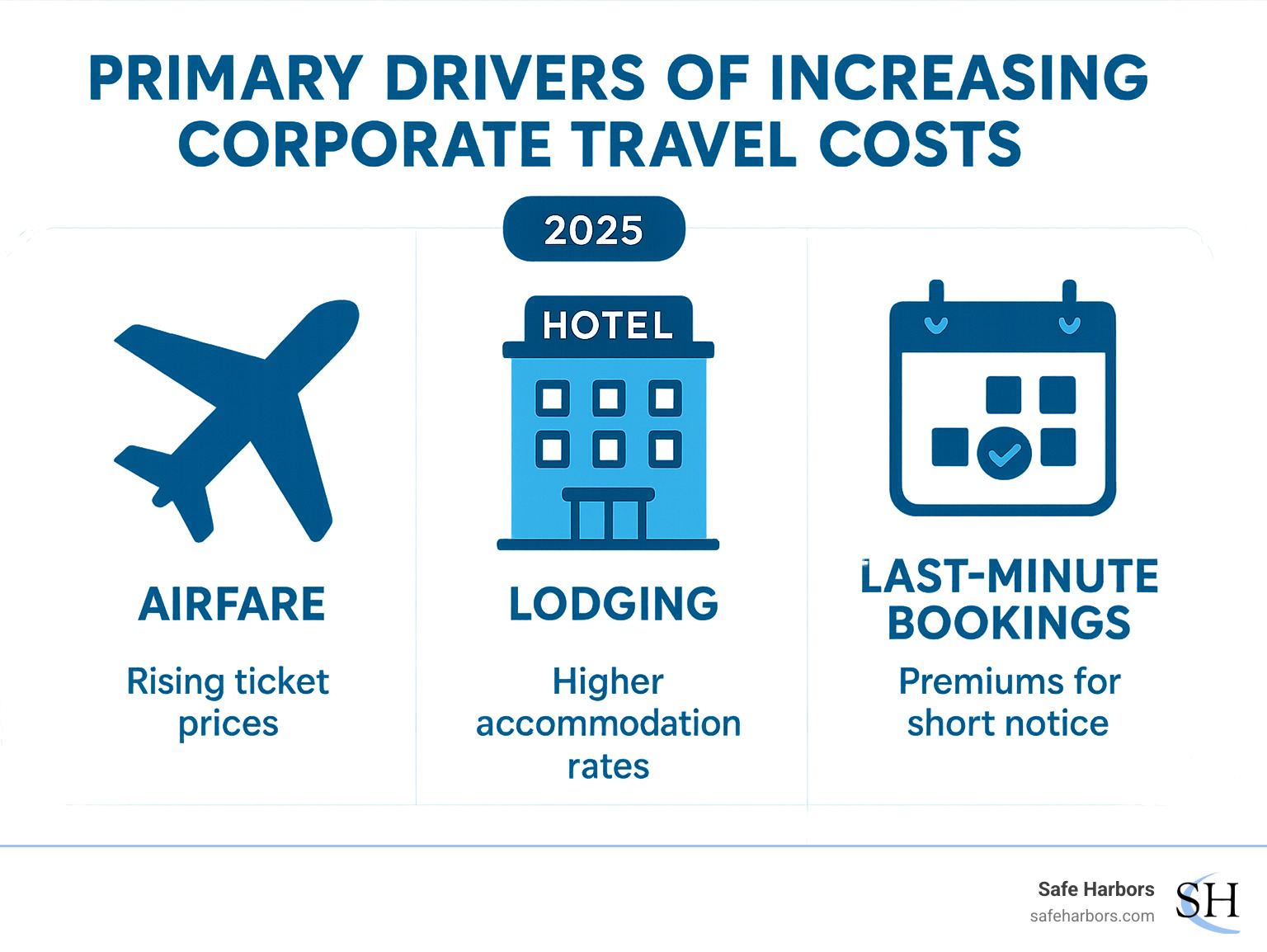
Corporate travel expenses are on the rise. Global business travel spending is expected to hit $1.48 trillion by the end of 2024. Projections show it will exceed $2 trillion by 2028. This upward trend puts pressure on company budgets.

It means companies need smart ways to manage and reduce business travel costs. This guide will show you how to do just that. We'll explore strategies to optimize spending without sacrificing traveler comfort or business goals.

Infographic showing primary drivers of increasing corporate travel costs: airfare, lodging, and last-minute bookings - Reduce business travel costs infographic

Strategic Pillars to Reduce Business Travel Costs

Ready to lay a strong foundation for serious savings? This section is all about the core strategies that build a sustainable framework for cutting travel costs. We'll explore how smart policies, insightful data, and expert partnerships can transform your business travel program.

How a Well-Defined Corporate Travel Policy Contributes to Savings

One of the most powerful tools we have to reduce business travel costs is a well-defined corporate travel policy. Think of it not just as a rulebook, but as a friendly guide for your team. It helps everyone travel smarter, ensuring consistency and preventing those pesky, unnecessary expenses.

So, how does a great policy save you money? It sets clear expectations on things like booking windows. For example, it might suggest booking flights at least 14-21 days ahead, because last-minute fares can be surprisingly expensive! It also guides travelers towards preferred vendors – those airlines or hotel chains where we've already secured fantastic corporate rates. By using these pre-approved options, your team automatically gets access to the best deals. The policy can also define sensible expense limits and per diem allowances, so everyone knows what's fair and expected.

A comprehensive policy also spells out approval workflows. This means a trip gets a quick check-in before it's booked, ensuring it aligns with our budget and business needs. This "pre-trip authorization" is a real money-saver, catching out-of-policy spending before it even happens.

It's super important to review and update your corporate travel policy regularly. Why? Because the travel world is always changing! Prices shift, new technologies pop up, and our business needs evolve. In fact, nearly half of corporate travel decision-makers recently tightened their policies to simplify choices and control costs better. By embedding these policies right into your online booking or expense tools, you make compliance easy for everyone. This way, we can adapt to market changes, grab new saving opportunities, and keep our policy fresh and effective. Don't forget to gather feedback from your travelers and finance teams – it helps fine-tune the policy, making it practical for employees while still hitting those cost-saving goals.

For more insights into how a robust policy saves money, explore our guide on 7 fundamental ways corporate travel management saves money.

The Power of Data, Vendor Consolidation, and Negotiation

To truly reduce business travel costs, we need to understand exactly where our money is going. This is where data analysis shines! By carefully tracking our spending patterns, we can spot areas of overspending, find hidden inefficiencies, and even uncover opportunities for much better deals. We can even benchmark our spending against industry averages to see how we compare and where we can improve.

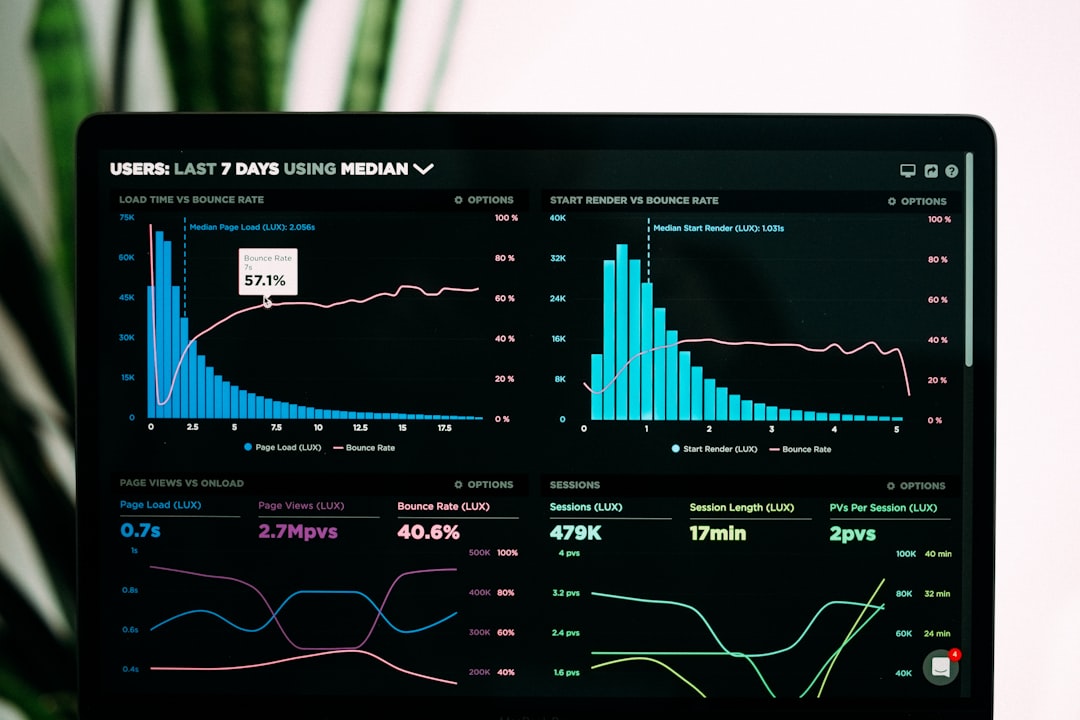
Dashboard showing travel spend analytics - Reduce business travel costs

Once we have a clear picture of our travel spend, we can get proactive! One smart move is vendor consolidation. Instead of spreading our travel business thin across many airlines, hotels, and car rental companies, we can focus our volume with just a few preferred partners. This increased volume gives us significant leverage during negotiations, allowing us to secure deeper discounts and more favorable terms. We're not just negotiating on price, but also on perks like amenities, flexible cancellation policies, and even loyalty program benefits. The principle is clear: concentrated spending leads to better deals.

Leveraging our collective volume is key. When we show a vendor that we can guarantee a certain amount of business, they're much more eager to offer competitive rates. This approach not only streamlines our vendor relationships and simplifies billing, but it ultimately contributes to substantial cost savings.

For additional information on optimizing corporate travel, you can find more info about corporate travel management on our blog.

The Benefits of Partnering with a Travel Management Specialist

Navigating the ins and outs of business travel can feel like a full-time job in itself. That's why teaming up with a travel management specialist, often called a Travel Management Company (TMC), offers incredible benefits. A TMC brings deep expertise, powerful industry connections, and cutting-edge technology that can dramatically help us reduce business travel costs.

So, what are these benefits? Firstly, a TMC acts as a seamless extension of your team. They offer expert guidance on everything from crafting the perfect policy to skillful vendor negotiations and smart cost-saving strategies. Because they have established relationships with airlines, hotels, and ground transportation providers, you get access to competitive rates and exclusive deals you might not secure on your own. Their significant buying power allows them to negotiate fantastic terms that benefit all their clients.

Secondly, a great TMC significantly improves your duty of care. They can provide real-time risk alerts, offer 24/7 traveler support, and assist in emergencies, ensuring your employees are safe and well-supported on their journeys. This peace of mind is invaluable, as highlighted in our article on The compelling security benefits of corporate travel management.

Finally, TMCs provide sophisticated reporting tools and data analytics. This gives you unparalleled visibility into your travel spend, helping you spot trends, ensure policy compliance, and continuously optimize your budget. At Safe Harbors, our unique promise includes best response speed and comprehensive white-glove service, ensuring you receive fast, efficient support and concierge management. This is all backed by our elite tech partnerships, meaning you get the best of both worlds: personal care and powerful tools to manage your travel effectively.

While there are always considerations when outsourcing, the strategic advantages often far outweigh them. We've explored these in detail in The pros and cons of outsourcing travel management. A specialized partner allows you to focus on your core business while they expertly manage your travel program, saving you time, stress, and money.

Tactical Savings: From Booking to Expense Reports

This section details the practical, day-to-day actions and tools that directly cut travel expenditures.

Mastering Advanced Booking and Loyalty Programs

When it comes to the nitty-gritty of daily travel management, mastering advanced booking and leveraging loyalty programs are two tactical powerhouses to reduce business travel costs.

What are the benefits of implementing advanced booking requirements for flights and accommodations? It's simple: prices generally increase as the travel date approaches. Data shows that booking domestic flights at least 28 days before departure can save travelers up to 24% compared with last-minute fares. For international flights, booking around 60 days out (and no more than 4 months out) can result in an average of 10% savings. This strategy applies equally to hotels, where advance reservations often come with better rates and more availability. Encouraging our team to plan ahead and book early can lead to substantial savings over time.

How can loyalty programs be leveraged to reduce business travel costs? Both airline loyalty programs and hotel loyalty programs offer incredible value. By consistently booking with preferred carriers and hotel chains, our employees can earn points, miles, or rewards that can be redeemed for future business travel, upgrades, or other perks. These programs often provide exclusive member-only rates, complimentary Wi-Fi, free checked bags, or even lounge access, all of which contribute to reducing the overall cost and enhancing the traveler experience. We encourage our travelers to sign up for these programs and ensure their numbers are always included in bookings. This consistent engagement turns individual trips into cumulative savings.

Leveraging Technology to Reduce Business Travel Costs

Technology is an indispensable ally in our quest to reduce business travel costs. Travel management software, for instance, plays a pivotal role in streamlining the entire travel process, from booking to expense reporting.

How does travel management software help in reducing corporate travel expenses? It centralizes booking, allowing employees to access all travel options—flights, hotels, rental cars—in one place. This ensures they book within policy, compare deals efficiently, and use any negotiated corporate rates we have in place. The software often integrates automated expense tracking, making it easier for travelers to submit receipts and for finance teams to process reimbursements quickly. Crucially, it provides policy compliance flags, alerting travelers and approvers if a booking falls outside predefined limits or preferred vendors. This proactive approach prevents out-of-policy spending before it happens.

Key features in travel management software often include:

  • Centralized booking portals with access to global inventory.
  • Automated policy enforcement and approval workflows.
  • Real-time expense tracking and digital receipt management.
  • Access to unused ticket credits and flight change management.
  • Comprehensive reporting and analytics dashboards.
  • Integration with company HR and finance systems.

Beyond core travel management software, integrated travel platforms can significantly streamline ground transport and further reduce business travel costs. By partnering with preferred ground transport partners, we can centralize our ground transportation management. This allows us to set spending limits, apply policy rules to rides and meals, and gain real-time visibility into ground transport expenses. For example, many companies report that integrated ground transportation platforms have helped lower their ground-transportation costs, with some seeing reductions of up to 10% by enforcing better compliance. This approach ensures cost control while providing convenient and reliable transportation for our traveling employees.

Managing Ancillary Charges and On-Trip Spending

While major costs like flights and hotels get a lot of attention, ancillary charges and on-trip spending can quietly inflate our travel budget. To effectively reduce business travel costs, we need to manage these smaller, often overlooked expenses.

What are ancillary charges in business travel, and how can they be managed? Ancillary fees are additional charges beyond the base fare or room rate. These can include baggage fees (checked and sometimes even carry-on), seat selection fees, in-flight Wi-Fi, hotel resort fees, parking, and minibar charges. These fees can quickly add up and often surprise unsuspecting travelers. To manage them, our travel policy should clearly outline which ancillary charges are permissible and which are not. We can encourage travelers to pack light to avoid baggage fees, or choose airlines that include bags in their base fare. For recurring services like Wi-Fi, we might negotiate corporate rates or advise travelers to use hotel Wi-Fi if available.

Per diem limits and adherence are another excellent way to encourage cost-effective travel decisions. Instead of reimbursing every meal receipt, we can set a daily allowance for meals, lodging, and incidentals based on the travel destination. This gives employees flexibility within a defined budget and simplifies expense reporting for everyone. Encouraging adherence to these limits ensures predictability in spending.

Using corporate cards for travel expenses also provides better visibility and control. These cards can be configured with spending limits and policy rules, helping to prevent overspending in real-time. This centralized payment method makes tracking and reconciling expenses much more efficient. For a deeper dive into common hidden costs, check out our article on the Top 15 reasons why your travel expenses could be higher than you expect.

Advanced Strategies for Modern Business Travel

Explore innovative and nuanced approaches that align cost-saving goals with modern work culture, sustainability, and tax efficiency.

Integrating 'Bleisure,' Trip Batching, and Virtual Meetings

Modern business travel isn't just about getting from point A to point B for a meeting; it's evolving to incorporate flexibility, sustainability, and efficiency. Integrating 'bleisure,' trip batching, and promoting virtual meetings are advanced strategies that can help us reduce business travel costs while boosting employee satisfaction and environmental responsibility.

What are the advantages of integrating 'bleisure' travel into corporate travel strategies? 'Bleisure' travel combines business with leisure, allowing employees to extend a business trip for personal vacation time. This trend is gaining traction, with one study finding that 65% of millennials and 59% of Gen Zers preferring companies that offer frequent or flexible blended travel. The advantage for us is that it can increase flexibility in trip timing, potentially allowing employees to book flights and accommodations during off-peak days (e.g., staying through a weekend) which might be cheaper, even if the company only covers the business portion of the stay. It also serves as a valuable perk, boosting morale and retention without necessarily inflating travel budgets.

Person working on a laptop in a scenic travel location - Reduce business travel costs

How can trip batching contribute to both cost savings and sustainability? Trip batching involves consolidating multiple business needs into a single trip to a specific region or city. Instead of sending an employee on three separate trips to New York throughout the year, we could plan one longer trip where they handle all three objectives. This reduces the number of flights, which saves on airfare, reduces ground transportation costs, and often leads to more favorable long-stay hotel rates. From a sustainability perspective, fewer flights mean a smaller carbon footprint, aligning with our environmental goals.

Finally, what is the impact of promoting virtual meetings on travel frequency and costs? This is perhaps the most direct way to reduce business travel costs. With advanced video conferencing technology, many meetings that once required in-person attendance can now be conducted virtually. Promoting virtual meetings for internal discussions, quick check-ins, and even initial client pitches significantly reduces the need for travel, eliminating associated costs like airfare, hotels, and per diems entirely. While some interactions still benefit from face-to-face engagement, strategically choosing when to travel versus when to meet virtually can yield substantial savings without compromising productivity.

Incentivizing Employees and Navigating Tax Deductions

Beyond policies and technology, encouraging our employees to make cost-effective travel choices can create a culture of savings. Additionally, understanding the tax implications of business travel allows us to maximize our deductions, further reducing the true cost of travel.

How can employees be incentivized to make cost-effective travel choices? We can implement reward programs that recognize or even financially compensate employees who consistently choose options below budget thresholds or use preferred vendors. This could be a bonus, gift cards, or extra vacation days. The key is to make saving money a win-win, rather than just a mandate. When employees feel appreciated for their efforts, they are more likely to proactively seek out cost-saving opportunities.

What are the tax implications and deductibility rules for business travel expenses? This is where things can get a bit nuanced. To write off travel expenses, the IRS requires that the primary purpose of the trip needs to be for business. This means that more than 50% of the trip's time must be spent on business activities. Expenses must also be "ordinary and necessary" – meaning common and helpful for our business. This includes airfare, lodging, ground transportation, and 50% of business meals. Keeping meticulous records and receipts is crucial for substantiating these deductions.

What are the key considerations when allowing friends or family to join business trips regarding expense deductibility? While it might seem generous to allow family to tag along, their expenses are generally not deductible. You can only deduct the portion of lodging costs that is equivalent to what you would pay only for yourself. For example, if a hotel room for one person costs $100, but a room for two costs $150, you can only deduct the $100. Similarly, their airfare and personal meals are not deductible. Clear communication with employees about these rules is essential to avoid misunderstandings and potential issues during tax audits.

Tax deductions for business travel - Reduce business travel costs

Frequently Asked Questions about Reducing Business Travel Costs

Navigating business travel expenses can sometimes feel like a puzzle, but we're here to help clear things up! Here are some of the most common questions we hear about how to reduce business travel costs effectively.

What is the most effective way to start reducing travel costs?

If you're looking for the absolute best place to start when it comes to cutting down on travel expenses, look no further than your corporate travel policy. Think of it as your company's North Star for all things travel! A clear, comprehensive, and consistently enforced corporate travel policy is truly the single most effective tool you have.

Why is it so powerful? Well, it sets crystal-clear expectations for everyone. Your team will know exactly what's expected when it comes to booking flights, choosing hotels, managing daily spending, and submitting expense reports. This clarity helps prevent those "oops, I spent too much" moments before they even happen. It essentially creates a solid framework that supports all your other cost-saving efforts, ensuring everyone is on the same page and working towards the same goal of smart spending.

How can we save money without sacrificing traveler safety and well-being?

This is a fantastic question, and it's one we hear often! After all, cutting costs should never come at the expense of your team's safety or comfort. The key here is partnering with a travel management company (TMC). They are experts in balancing these two crucial priorities.

A great TMC, like Safe Harbors, offers robust "duty of care" solutions. This means they've got your travelers' backs, providing things like real-time risk alerts, 24/7 support for emergencies, and assistance whenever it's needed. This ensures your employees are safe and well-supported no matter where their business takes them. On the cost-saving side, TMCs also have incredible buying power. They secure fantastic, negotiated rates with trusted airlines, hotels, and other vendors. This allows you to balance cost control with maintaining high-quality, safe, and comfortable travel standards for your team. It's truly a win-win!

Can we deduct expenses if an employee brings a family member on a business trip?

Ah, the classic "bleisure" question with a twist! It's lovely when family can join, but when it comes to deducting expenses, the rules are pretty clear: you can only deduct business-related expenses. This means the IRS is looking for what was "ordinary and necessary" for the business portion of the trip.

So, if an employee brings a family member along, you can generally only deduct what the employee's travel and lodging would have cost if they had traveled alone. For instance, imagine a single hotel room for the employee would have cost $100. If they upgrade to a larger room to accommodate their family, and that room costs $150, you can still only deduct the original $100. Similarly, the family member's airfare, meals, and other personal expenses are not deductible. It's always best to keep thorough records and communicate these guidelines clearly to your employees to avoid any surprises come tax time!

Conclusion

Phew! We've covered a lot of ground today, haven't we? Think of optimizing business travel costs not as a quick fix, but as a continuous journey. It's about setting up smart systems that keep giving back. By laying down a solid foundation with a well-defined policy, truly using the power of data and cutting-edge technology, and getting savvy with your booking tactics, your company is set to achieve some seriously impressive savings.

But it's not just about the numbers. These strategies do more than just protect your bottom line; they also boost your travelers' productivity and keep them happy and well-supported on the road. Imagine a travel program that's both incredibly efficient and a joy for your team to use.

Navigating this ever-changing travel landscape can feel like a lot to handle on your own. That's where a trusted strategic partner comes in. They can guide you through the complexities, ensuring your travel program is not only cost-effective but genuinely supportive of your employees' well-being.

Here at Safe Harbors, we're passionate about making business travel easier and more efficient for you. We pride ourselves on offering best response speed and truly comprehensive white-glove service. This means you get fast, efficient support and concierge management every step of the way, all powered by our elite tech partnerships. Ready to transform your travel program and truly reduce business travel costs?

Learn how our concierge travel services can help you reduce business travel costs.

Finding a new Travel Management Company

When looking for a new travel management company (TMC), it’s important to assess more than just price—a strong TMC aligns with your business priorities and delivers long-term value and support. Depending on your determined needs, here’s what to focus on:

1. Strategic and Cultural Fit

  • Industry Experience & Reputation: Choose a TMC with proven experience handling clients similar to your organization in size and sector, backed by solid references and a track record of client satisfaction.

  • Alignment with Your Goals: Make sure the TMC can tailor travel programs and policies to support your organization’s business objectives, budget, and culture.

2. Service and Support

  • 24/7/365 Support: Prioritize TMCs that provide round-the-clock assistance for emergencies, travel disruptions, and last-minute changes.

  • Dedicated Account Management: Look for TMCs that assign a dedicated account manager for personalized support and proactive communication.

  • Exceptional Customer Care: The best TMCs have highly trained support teams and value the wellness and satisfaction of your travelers.

3. Technology and Integration

  • User-Friendly Booking Tools: An advanced, mobile-friendly platform for easy booking, itinerary management, and traveler tracking is essential.

  • Seamless Integrations: Check for direct integration with your company’s expense management and HR systems to streamline reporting and compliance.

  • Automation: Modern TMCs should offer automation for tasks like unused ticket management, approval workflows, and real-time alerts, and amplifying service without losing the human touch.

4. Global Capabilities

  • International Reach: If you have global travel needs, ensure your TMC has a strong international network, understands local laws and customs, and can manage travel across regions and time zones.

  • Preferred Partner Network: The ideal TMC negotiates the best rates, offers, and cancellation options worldwide through robust partnerships.

5. Policy, Compliance, and Risk Management

  • Tailored Travel Policies: The TMC should help enforce your travel policies, monitor compliance, and provide solutions for reporting violations.

  • Duty of Care: Strong risk management tools, safety alerts, and support in emergencies protect your travelers wherever they go.

6. Value and Cost Control

  • Transparent Pricing & Savings: Understand their fee structure and look for value through cost control tools, negotiated rates, and benchmarking.

  • Expense and Data Reporting: Robust reporting platforms let you track, analyze, and optimize your spend in real time.

7. Flexibility and Customization

  • Scalable Solutions: The TMC should easily adapt to your company’s changing travel needs, scaling support up or down as required.

  • Customizable Service Levels: Whether you need hands-on agent support, self-service tools, or both, ensure the TMC matches your team’s preferences.

Practical Checklist for Selection

  • _____ Experience in your industry and with similar clients.

  • _____ 24/7/365 and multi-channel support.

  • _____ Tech platform with mobile, booking, and integration features.

  • _____ Global capabilities and partner network.

  • _____ Dedication to traveler safety, reporting, and duty of care.

  • _____ Flexible, clear pricing and savings opportunities.

  • _____ Policy compliance tools, custom solutions, and scalability.

Carefully evaluating potential TMCs against these weighted criteria will help you find a partner that not only fulfills transactional needs but also acts as a true extension of your team, supporting your business and travelers today and into the future.