Why the Group Travel Business Is One of Travel's Smartest Opportunities

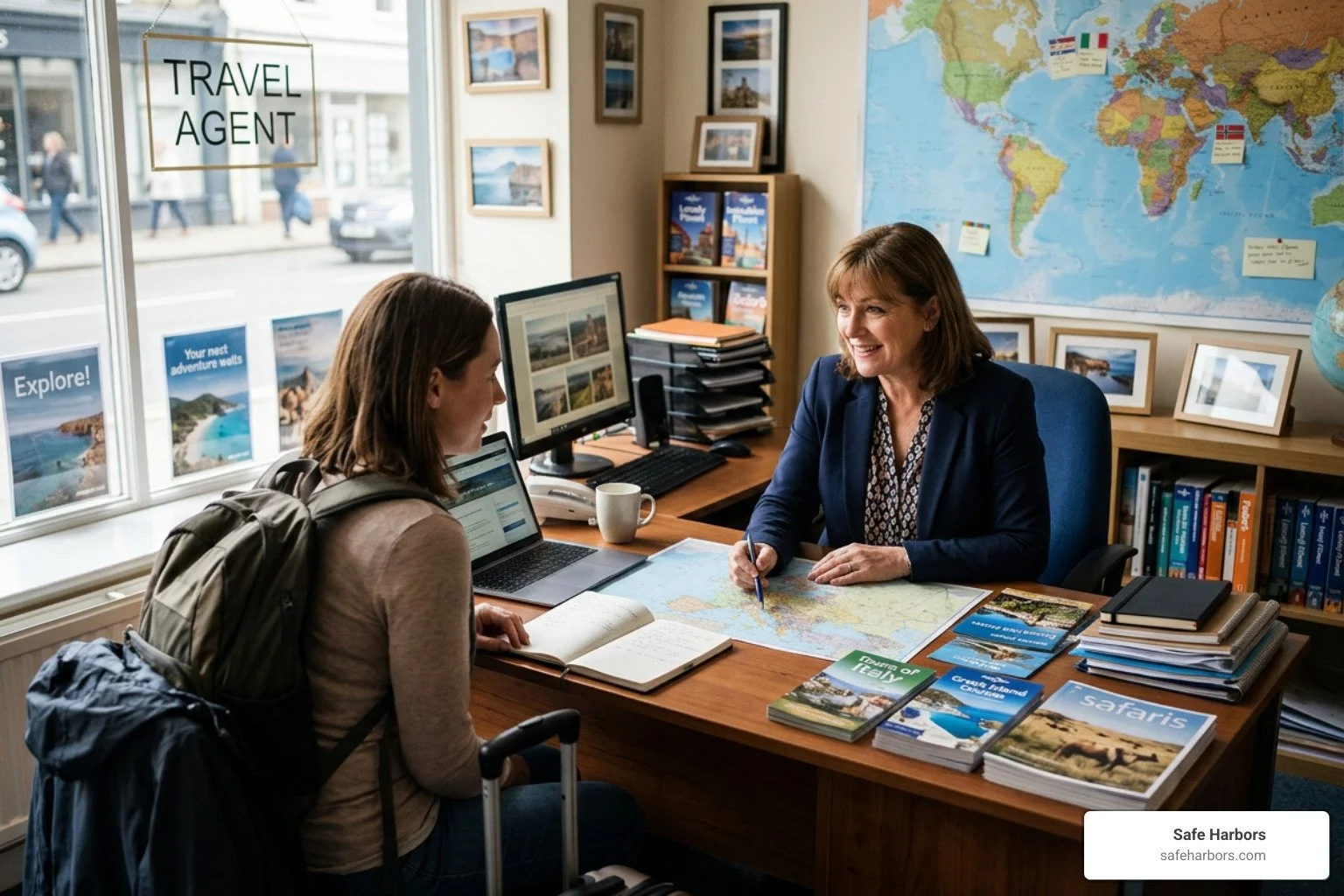
Starting a group travel business is one of the most scalable moves you can make in the travel industry. Here's a quick snapshot of what that looks like in practice:
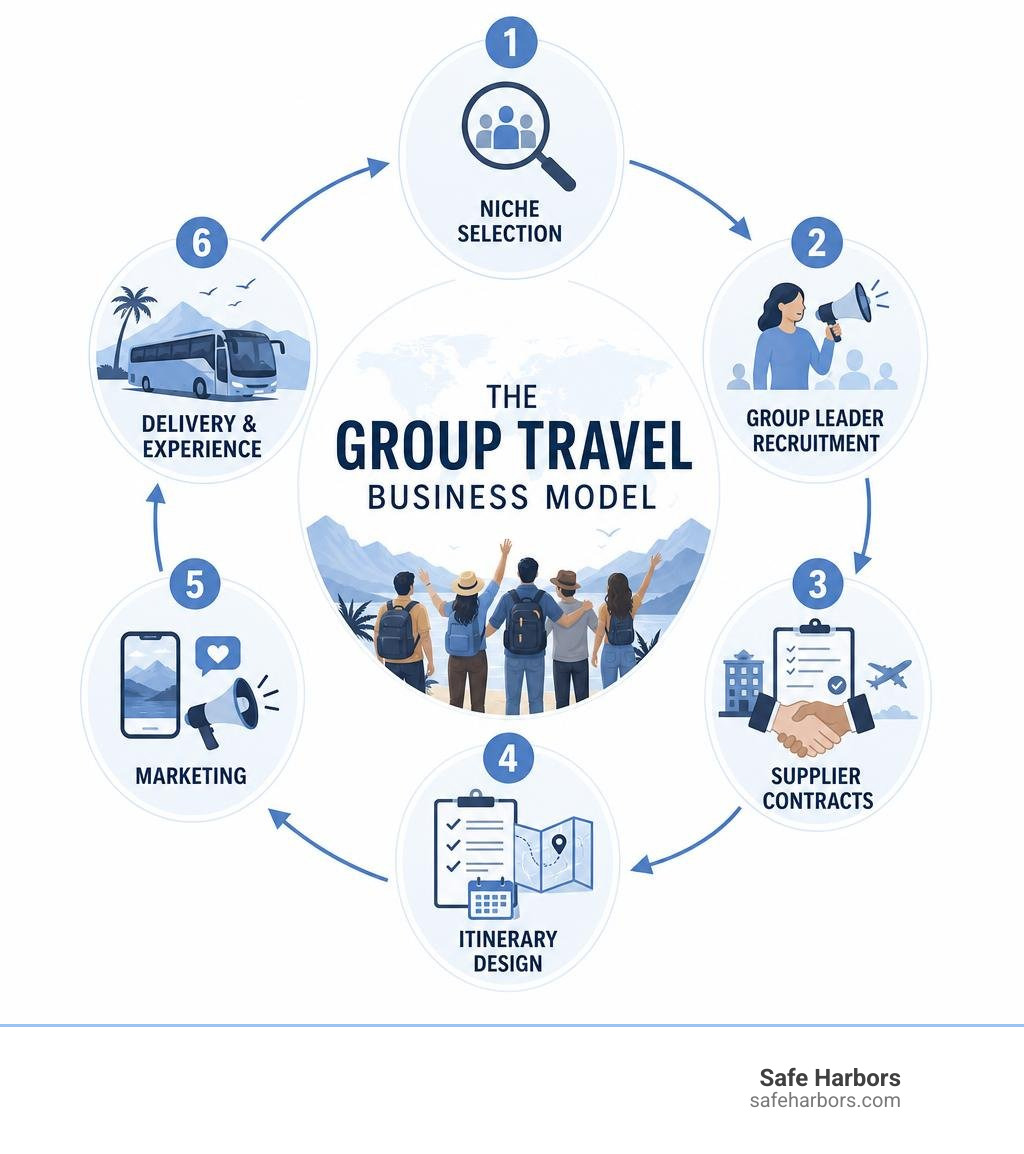
How a group travel business works — at a glance:
- Choose a niche — corporate retreats, affinity groups, faith-based travel, wellness, student tours, etc.
- Find or become a group leader — the person who recruits and rallies the travelers
- Partner with suppliers — hotels, airlines, DMCs, cruise lines — and negotiate group rates
- Design and sell the itinerary — package it, price it, and market it to your audience
- Manage logistics and payments — use platforms and systems to keep everything organized
- Deliver the experience — and book the next trip before the group even gets home
The numbers tell a compelling story. According to industry surveys, 51% of travel agents say group travel is "very important" to their overall business — and 55% expected to sell more group travel in 2024 than the year before. Spending is up too: 74% of agents report their groups are spending more than they did before the pandemic.
The efficiency is just as striking. Planning a group of 50 travelers may take only 2 to 3 times the effort of booking a single couple — but it can generate 25 times the revenue.
And the growth in affinity travel — groups built around shared passions like wine, wellness, or even Taylor Swift — is opening up entirely new markets. A full 43% of agents who don't yet sell affinity groups say they want to start.
Whether you're a travel advisor looking to scale, a corporate travel manager exploring new service lines, or someone building from scratch, the opportunity is real and growing.
I'm Jay Ellenby, President of Safe Harbors Travel Group, and I've spent decades building a nationally recognized travel management practice that spans corporate travel, international logistics, risk management, and yes — complex group travel business operations. In this guide, I'll walk you through exactly how to build or grow your own group travel operation, from niche selection to supplier contracts to the technology that keeps everything running smoothly.
Finding Your Niche in the Group Travel Business
To build a successful group travel business, you cannot be everything to everyone. Trying to sell a generic "trip to Europe" to the general public is a quick way to drain your marketing budget with very little return. Instead, the secret lies in niche selection. By focusing on a highly specific target demographic and positioning your brand as the absolute authority for that crowd, you transform your marketing from a cold sales pitch into an invitation to join a community.
When deciding on your market positioning, you must choose between building custom group travel itineraries or selling pre-packaged, off-the-shelf tours. Both models have their place, but they require very different operational approaches.
| Feature | Custom Group Travel | Pre-Packaged Group Tours |
|---|---|---|
| Design Effort | High (tailored from scratch) | Low (pre-designed by a supplier) |
| Profit Margins | Higher (you control the mark-up) | Fixed (commission-based, usually 10-18%) |
| Scalability | Medium (requires custom coordination) | High (repeatable and easy to book) |
| Client Experience | Highly personalized and unique | Structured and predictable |
| Ideal For | Corporate incentives, private affinity clubs | Budget-conscious groups, first-time organizers |
Affinity and Special Interest Groups
Affinity group travel is built entirely around shared passions. These are "come-along-with-me" trips where travelers are linked by a common hobby, lifestyle, or belief, rather than a pre-existing personal relationship. The beauty of this model is that the shared interest acts as an immediate icebreaker, turning a group of strangers into a tight-knit community by day two.
If you are looking to design these specialized travel experiences, consider the following high-performing affinity categories:
- Wellness and Yoga Retreats: Travelers seek spaces to rest, restore, and reconnect. These itineraries balance daily practice with healthy, locally sourced culinary experiences.
- Culinary and Wine Travel: Food is the ultimate cultural bridge. Itineraries built around private vineyard tours, cooking classes with local chefs, and food market tours are incredibly popular.
- Photography and Adventure: From chasing the Northern Lights to capturing wildlife on a safari, these trips provide expert-led instruction in breathtaking settings, proving that immersive, small-group adventures resonate deeply with modern travelers.
By aligning your business with specific passions, you can partner with specialized local operators and destination experts to offer highly tailored packages that cater directly to these unique communities.
Corporate and Incentive Travel
On the other side of the niche coin is the highly lucrative world of corporate and incentive travel. Unlike leisure groups, corporate travel is driven by strategic business objectives. Companies utilize corporate retreats, team-building trips, and business conferences to reward top performers, align remote teams, and build brand loyalty.
Managing corporate groups requires a deep understanding of meeting and incentive travel design. These trips require a delicate balance between business sessions and leisure activities. A flawless corporate trip relies heavily on professional destination event planning, ensuring that venue sourcing, ground transportation, and state-of-the-art audiovisual setups are executed without a hitch.
At Safe Harbors, we specialize in helping businesses navigate these exact complexities. Through our dedicated Meetings division, we ensure that corporate groups enjoy seamless logistics, strict policy compliance, and exceptional on-site support.
Designing Itineraries and Securing Group Leaders

An exceptional itinerary is more than just a chronological list of hotel bookings and sightseeing stops. It is a carefully curated story arc that balances structured activities with essential downtime. Modern group travelers do not want to sit on a motorcoach all day listening to a monotone lecture; they crave experiential travel, authentic local immersion, and moments of unexpected delight.
To achieve this, successful operators build strong local partnerships with trusted Destination Management Companies (DMCs). For example, if you are planning a wellness or educational group to Central America, partnering with a boutique local specialist ensures you have access to certified, bilingual guides, Wilderness First Responder safety protocols, and deep community relationships that a standard travel agency simply cannot source from afar.
Finding and Qualifying Group Leaders
You do not have to find every single traveler yourself. Instead, find the "linchpin" — the group leader. A group leader is an influencer, club president, teacher, pastor, or community figure who already has direct access to your target audience.
To build a successful group travel program, you must learn to identify, qualify, and incentivize these key organizers. The standard industry incentive is the FOC (Free of Charge) spot. Many tour operators and cruise lines offer one free spot for every 10 to 16 paid travelers.
When establishing a partnership with a group leader, look to structured incentive programs, which demonstrate how giving group coordinators tiered rewards, marketing support, and personalized recruitment tools can turn passionate travel advocates into highly effective recruiters.
Your agreement with the group leader should be clear: they handle the promotion and audience recruitment, while you (the travel professional) handle all the back-end logistics, supplier contracts, and individual payments.
Creating Memorable and Sustainable Experiences
To truly stand out in the crowded group travel business landscape, you must deliver "WOW" factors that travelers could never replicate on their own. This could be a private, after-hours tour of a world-famous museum, a hands-on cooking session in a family home, or a surprise sunset cocktail party on a private terrace.
Furthermore, modern travelers expect responsible tourism practices to be woven directly into their itineraries. This means:
- Local Sourcing: Prioritizing locally owned boutique hotels and neighborhood restaurants over massive international chains.
- Community Impact: Ensuring your tour directly supports the local economy and respects cultural heritage.
- Eco-Friendly Practices: Minimizing plastic waste, supporting carbon-offset initiatives, and selecting suppliers with strong environmental track records.
To simplify the entire process and remove the administrative burden from the organizer's shoulders, partnering with a specialized group travel management provider can help you coordinate these intricate details, ensuring that every family reunion, church group, or corporate retreat is both memorable and ethically run.
Financials, Supplier Contracts, and Tech Logistics

The operational backbone of a successful group travel business lies in its financial management and supplier negotiations. If you do not manage your deposit timelines, payment schedules, and supplier contracts with absolute precision, even a fully booked trip can quickly turn into a financial nightmare.
Pricing, Commissions, and Supplier Negotiations
When pricing a group trip, you must account for every variable. This includes the net costs from your suppliers, your desired mark-up, credit card processing fees, a built-in buffer for currency fluctuations, and the cost of the group leader's FOC spot spread across the paying participants.
Negotiating with suppliers requires a clear understanding of industry standards:
- Hotel Room Blocks: Most hotels require a deposit to hold a block of rooms. Pay close attention to the attrition clause (the percentage of rooms you can release without penalty by specific deadlines) and the cut-off date (when unbooked rooms are released back to the hotel's general inventory).
- Airline Group Contracts: Airlines typically require a deposit per seat to hold space, with names and final payments due 30 to 90 days before departure. Group air contracts often cost slightly more than individual tickets, but they offer invaluable payment flexibility and ensure your entire group travels on the same flights.
- Commissions and Mark-ups: While some suppliers pay standard commissions (which can average $5,000 or more for a single large group vacation booking), creating custom packages allows you to apply a net-rate mark-up. This gives you complete control over your profit margins.
For complex group bookings, leveraging our comprehensive business travel services at Safe Harbors gives you access to global buying power, negotiated airline contracts, and secure hotel room blocks, protecting your business from costly contractual pitfalls.
Technology Tools for Your Group Travel Business
Trying to manage a group travel business using manual spreadsheets and email chains is a recipe for operational disaster. To scale, you must implement a modern, integrated technology stack.
Your technology ecosystem should include:
- A Centralized CRM and Booking Platform: Tools designed specifically for group travel allow you to build branded trip pages, collect traveler information (such as passport details and dietary restrictions), and automate booking confirmations.
- Flexible Payment Processors: Let your travelers pay their deposits and installment plans directly online. This removes you from the awkward position of collecting checks or tracking down late payments.
- Automated Event Attendee Management: For corporate groups, integrated event attendee management systems handle everything from registration and flight manifests to dietary preferences and workshop selections.
- Duty of Care and Traveler Tracking: In today's unpredictable travel landscape, real-time traveler tracking and 24/7 support are non-negotiable.
Platforms like WeTravel have revolutionized this space by offering specialized payment and registration tools. To understand how these platforms fit into your workflow, resources like What Your Travel Business Needs To Know About Group Travel ... offer excellent guides on automating communications, managing deposits, and streamlining administrative tasks.
Frequently Asked Questions About Group Operations
What is the average profit margin for a group travel business?
The average profit margin for a group travel business typically ranges between 15% and 35%, depending on whether you are selling pre-packaged tours or fully customized itineraries. Pre-packaged tours usually yield a fixed commission of 10% to 18% from the supplier.
Custom group itineraries, however, allow you to work with net rates and apply your own mark-up. By bundling hotels, transfers, local guides, and meals into a single package price, you maintain "financial neutrality" for the traveler (they see one clear price rather than itemized costs) while securing a much healthier profit margin for your business.
How do you manage operational risks and duty of care?
Managing operational risk requires a proactive, multi-layered approach. First, ensure that comprehensive travel insurance is a mandatory requirement for all participants. Second, establish clear emergency protocols and secure 24/7 on-ground support through your local DMC partners.
For corporate groups, risk management is deeply tied to professional corporate trip management. It is vital to align your trips with clear corporate travel policy guidelines, ensuring that traveler tracking, medical evacuation plans, and real-time safety alerts are actively managed from departure to safe return.
How do you balance customization with scalability?
The secret to scaling a group travel business is to "start small, build systems, and replicate." Instead of designing a completely new itinerary for every single client, build a library of highly polished, standardized templates.
For example, if you design a highly successful wellness itinerary to Costa Rica, do not archive it when the group returns. Use that same structural template, partner with the same local DMCs, and market it to a completely different wellness influencer, yoga studio, or corporate team. This allows you to deliver a seemingly bespoke experience while operating with maximum administrative efficiency.
Conclusion
Building a group travel business is an incredibly rewarding path to scaling your revenue, deepening your industry relationships, and creating unforgettable, shared travel experiences. By choosing a clear niche, leveraging the influence of qualified group leaders, negotiating smart supplier contracts, and utilizing the right technology, you can turn your personal passion for travel into a highly profitable, scalable enterprise.
As we move through 2026, the demand for connection, community, and flawlessly executed group experiences is stronger than ever. But you don't have to navigate these complex logistics alone.
Whether you are looking to launch an incentive travel program, coordinate a large-scale corporate conference, or secure global booking power, we are here to support you. Let us handle the complex logistics, elite technology integrations, and white-glove duty of care, so you can focus on building your community. Contact us today to explore our comprehensive business travel services and take your group operations to the global stage.