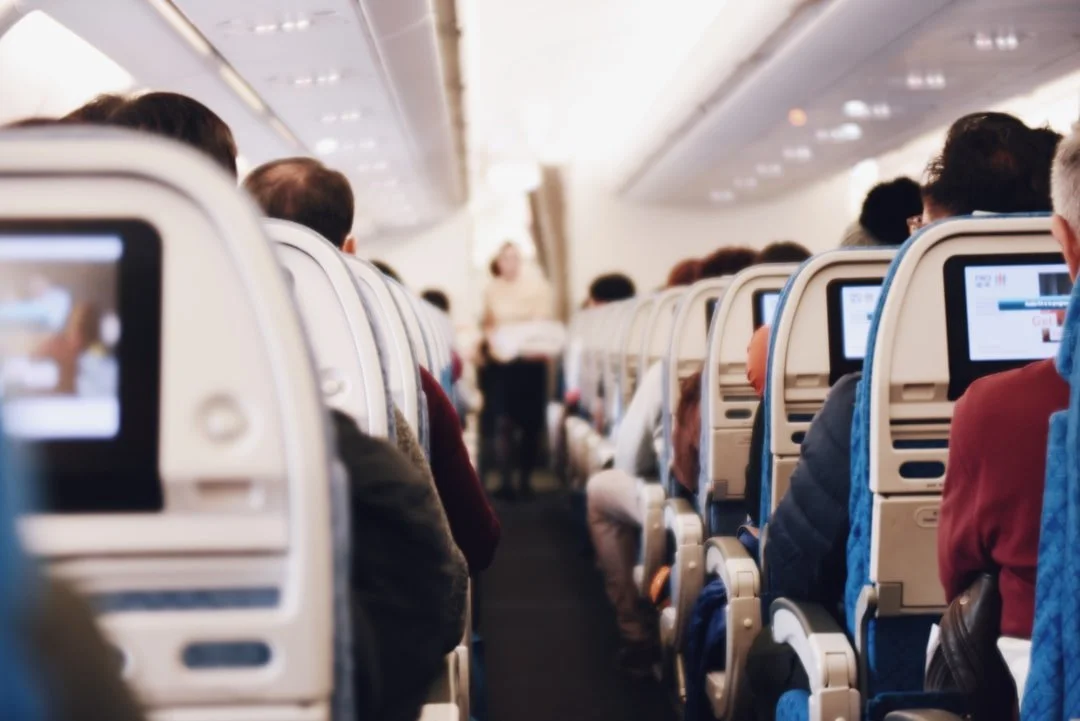

The Science of Traveler Well Being: Mental and Cognitive Gains
When we talk about traveler well being, we aren't just talking about avoiding a cold or getting enough legroom. We are talking about a fundamental shift in how the brain functions. In 2026, as we move further into an era of high-speed connectivity and constant digital noise, the psychological "reset" provided by travel has become a biological necessity.

Scientific research consistently shows that stepping away from our daily environment triggers a significant reduction in cortisol—the body’s primary stress hormone. But the benefits go deeper than mere relaxation. Travel is a powerful catalyst for neuroplasticity. When we navigate a new city, attempt to speak a different language, or adapt to local customs, our brains are forced to create new neural pathways. This "cognitive stretching" enhances creativity and cognitive flexibility, making us sharper and more innovative when we return to our desks.
Furthermore, cultural immersion is a fast track to increased empathy. By stepping into someone else’s world, we broaden our perspective, which is a key component of emotional intelligence. According to the Center for the Advancement of Well-Being, travel allows for "psychological detachment," a state where the mind finally stops problem-solving and starts simply existing in the present.
Psychological Benefits of Traveler Well Being
The impact of travel on mental health is profound. Data shows that women who vacation at least twice a year are significantly less likely to suffer from chronic stress and depression compared to those who travel less than once every two years. Travel serves as a proactive intervention against burnout by providing:
- Mood Elevation: The mere anticipation of a trip can lift your mood weeks before you even head to the airport.
- Self-Discovery: Stepping out of your routine roles (parent, employee, manager) allows you to reconnect with your personal identity.
- Perspective Shifts: Seeing how travel is positioned in recent studies highlights that it isn't just a luxury; it's a vital tool for maintaining long-term mental resilience.
Building Resilience Through Travel Stressors
It might sound counterintuitive, but the "stressful" parts of travel—like navigating a delayed flight or finding your way through a foreign transit system—are actually good for your cognitive health. These moments force us to practice problem-solving and emotional regulation in real-time.
Breaking a routine fosters adaptability. When things don't go according to plan, we build self-confidence by proving to ourselves that we can handle the unexpected. To maximize these gains without burning out, it’s essential to maintain physical health as a foundation. Learning how to stay active while traveling ensures your body has the energy to support your brain’s cognitive demands. By embracing the flow of a trip rather than fighting every delay, you turn potential stressors into exercises in mental flexibility.
Practical Strategies for Physical and Mental Wellness
Maintaining traveler well being requires a proactive approach. You cannot wait until you are exhausted in a hotel room to start thinking about your health.

The foundation of feeling good on the road is surprisingly simple: hydration and nutrition. Airplane cabins are notoriously dry, and hotel environments often lack the humidity our bodies need. We recommend carrying a refillable bottle and aiming for consistent water intake throughout your journey. For more detailed habits, check out our 10 tips for staying healthy during frequent business travels.
Key areas to focus on include:
- Hydration: Drink water before, during, and after your flight. Explore more on our hydrate tag for specific strategies.
- Sleep Hygiene: Use eye masks and earplugs to create a consistent sleep environment, regardless of your time zone.
- Nutrition: Pack healthy snacks like nuts or protein bars to avoid the "airport food trap."
- Supplements: Consider vitamins to support your immune system, especially during peak flu seasons or long-haul itineraries.
Pre-Trip Planning and CDC Guidelines
According to CDC guidelines, the most critical window for travel health is 4 to 6 weeks before departure. This is when you should schedule a consultation with a healthcare provider to discuss your mental health history, current medications, and any necessary vaccinations.
Proper planning includes:
- Medication Management: Always carry your prescriptions in their original containers with a physician’s letter. Pack extra doses in case of delays.
- Insurance Review: Ensure your policy covers medical evacuation and psychiatric emergencies.
- Jet Lag Prevention: Start adjusting your sleep schedule three days before you leave. We’ve compiled a guide on how to sidestep jet lag once and for all to help you hit the ground running.
Maintaining Traveler Well Being on the Road
Once you are on the move, technology and mindfulness become your best allies. Many of our travelers now use wearable tech to monitor their recovery and sleep quality, allowing them to adjust their schedules if their "readiness score" is low.
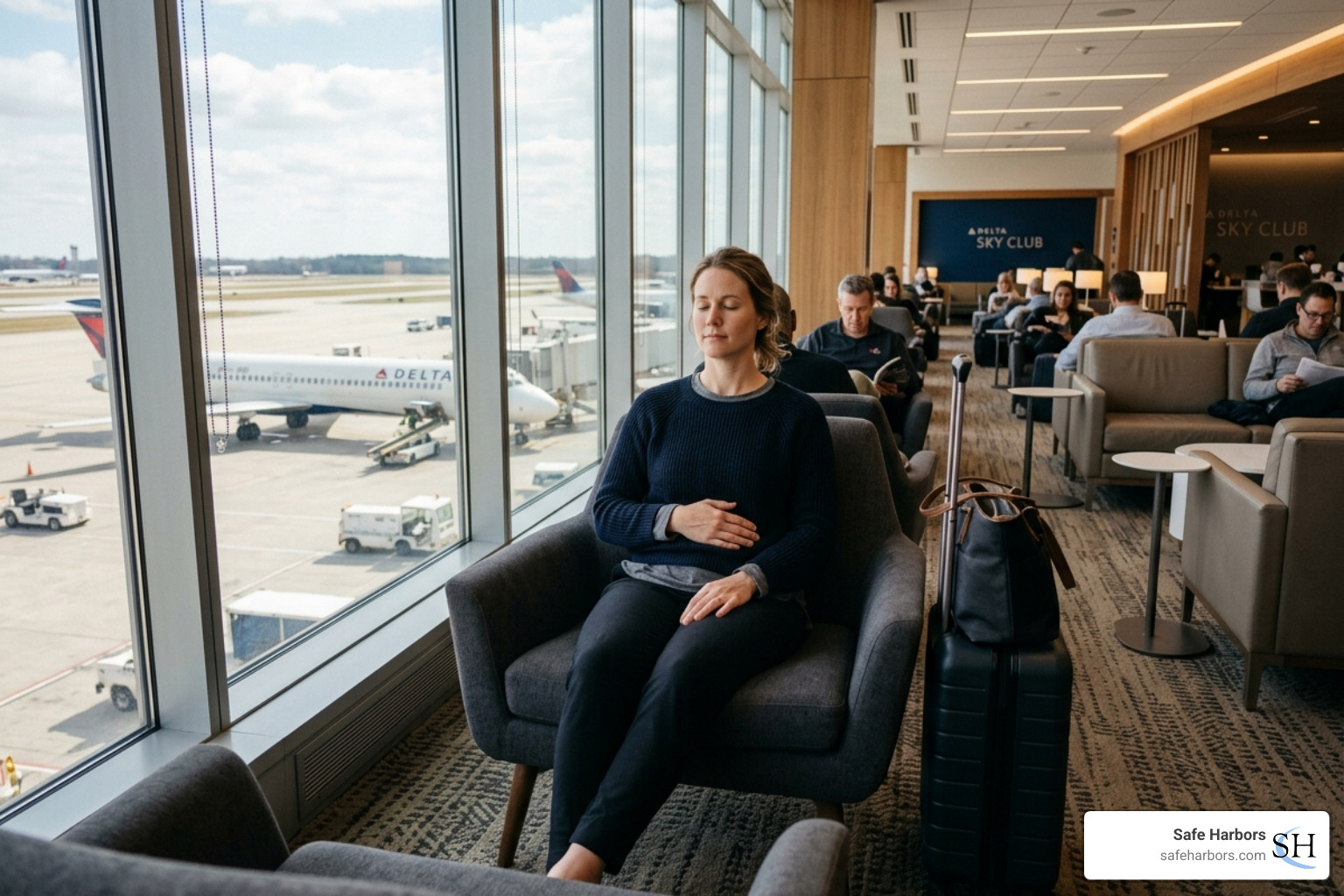
We also encourage the use of Sophrology techniques—a blend of Eastern mindfulness and Western relaxation. Simple exercises like "Breathing Synchronization" (inhaling for 4 seconds, exhaling for 6) can reset your nervous system during a stressful boarding process.
To manage stress effectively:
- Seek Sanctuaries: Look for quiet zones or "sanctuary spaces" in airports rather than crowded gate areas.
- Set Digital Boundaries: Limit social media and work emails during transit to give your brain a true break.
- Stay Grounded: Use small rituals, like a five-minute morning stretch or a short walk, to maintain a sense of normalcy.
Corporate Responsibility: Supporting the Modern Business Traveler
In 2026, traveler wellness is no longer a "perk"—it is a core component of Duty of Care. Companies that ignore the physical and mental toll of travel face higher attrition costs and lower productivity. In fact, 83% of business travelers say they would change jobs for a better travel policy, even if the amount of travel remained the same.
"Traveller friction" is the term we use for the cumulative wear and tear caused by frequent trips. To combat this, we help organizations implement policies that prioritize the human element. This includes allowing for "bleisure" (combining business and leisure), which 60% of travelers now utilize to decompress.
| High-Stress Policy | Wellness-Oriented Policy |
|---|---|
| Red-eye flights to save on hotel costs | Direct flights and "no red-eye" rules |
| Same-day returns for long-haul trips | Mandatory rest days after crossing 3+ time zones |
| Economy lodging far from the venue | Hotels with fitness centers and healthy food |
| Constant connectivity expectations | Encouraged "off-the-clock" hours during transit |
By following business travel tips to stay productive, companies can see a direct ROI. A well-rested traveler is 20% more productive than one suffering from jet lag or sleep deprivation. Furthermore, managing traveler stress through flexible booking and concierge support reduces the likelihood of employee burnout.
Wellness Tourism vs. Medical Tourism: Choosing Your Path
As the focus on traveler well being grows, it's important to distinguish between wellness tourism and medical tourism. While they sound similar, they serve very different purposes on the health continuum.
- Medical Tourism: This is reactive. It involves traveling to receive a specific treatment for an existing illness or injury (e.g., surgery or dental work).
- Wellness Tourism: This is proactive. It is defined by the Global Wellness Institute as travel associated with the pursuit of maintaining or enhancing one’s personal well-being.
The wellness tourism market reached a staggering $894 billion in 2024. This includes "primary wellness travelers" (those whose entire trip is motivated by wellness, like a yoga retreat) and "secondary wellness travelers" (those who simply want to stay healthy while traveling for business or family).
For destinations, the shift toward wellness tourism means moving away from "over-tourism" and toward authentic, local experiences that nourish the soul. Whether it’s a hot spring in Japan or a hiking trail in the Swiss Alps, these experiences provide the "vigor of mind" that Seneca wrote about centuries ago.
Frequently Asked Questions about Traveler Well Being
How does travel reduce the risk of depression?
Travel breaks the cycle of rumination—the repetitive negative thought patterns often associated with depression. By forcing the brain to engage with new environments and sensory inputs, travel boosts dopamine and serotonin levels. Additionally, the social connections made during travel and the sense of "mastery" gained from navigating new places provide long-term psychological buffers against depressive symptoms.
What are the most common stressors for business travelers in 2026?
The top stressors today include baggage delays, poor digital connectivity (no mobile network or slow Wi-Fi), and "traveler friction" caused by back-to-back scheduling. In 2026, the complexity of evolving international health regulations also adds a layer of "anticipatory anxiety" for many road warriors.
What should be included in a travel mental health kit?
Beyond your physical first-aid kit, a mental health kit should include:
- Noise-canceling headphones for sensory control.
- A downloaded library of guided meditations or Sophrology exercises.
- A journal for "naming" emotional weight and processing experiences.
- Essential oils (like lavender) for sleep or grounding.
- Contact information for a teletherapy provider or your company’s Employee Assistance Program (EAP).
Conclusion
Mastering traveler well being isn't about eliminating every stressor—that’s impossible. It’s about building a framework of support that allows you to navigate those stressors without losing your mind.
At Safe Harbors, we believe that travel should be a tool for growth, not a source of depletion. As a corporate travel management company, we provide more than just booking tools; we offer a comprehensive white-glove service that prioritizes your team’s health. From our unmatched response speed to our concierge management and deep commitment to duty of care, we ensure your travelers are supported every mile of the way.
Ready to transform your corporate travel program into a wellness-first culture? Discover our Concierge Travel Services and let us handle the logistics while you focus on the journey.