Beyond Bookings: What to Look for in Corporate Travel Services

Why Corporate Travel Agency Services Are More Critical Than Ever

corporate travel agency services - corporate travel agency services

Corporate travel agency services have evolved far beyond simple flight and hotel bookings. Today's business landscape demands strategic travel partners who can steer complex global operations, ensure traveler safety, and deliver measurable ROI while maintaining the flexibility modern companies need.

Core corporate travel agency services include:

  • End-to-end travel management - From booking to expense reporting
  • Risk management and duty of care - Real-time traveler tracking and emergency support
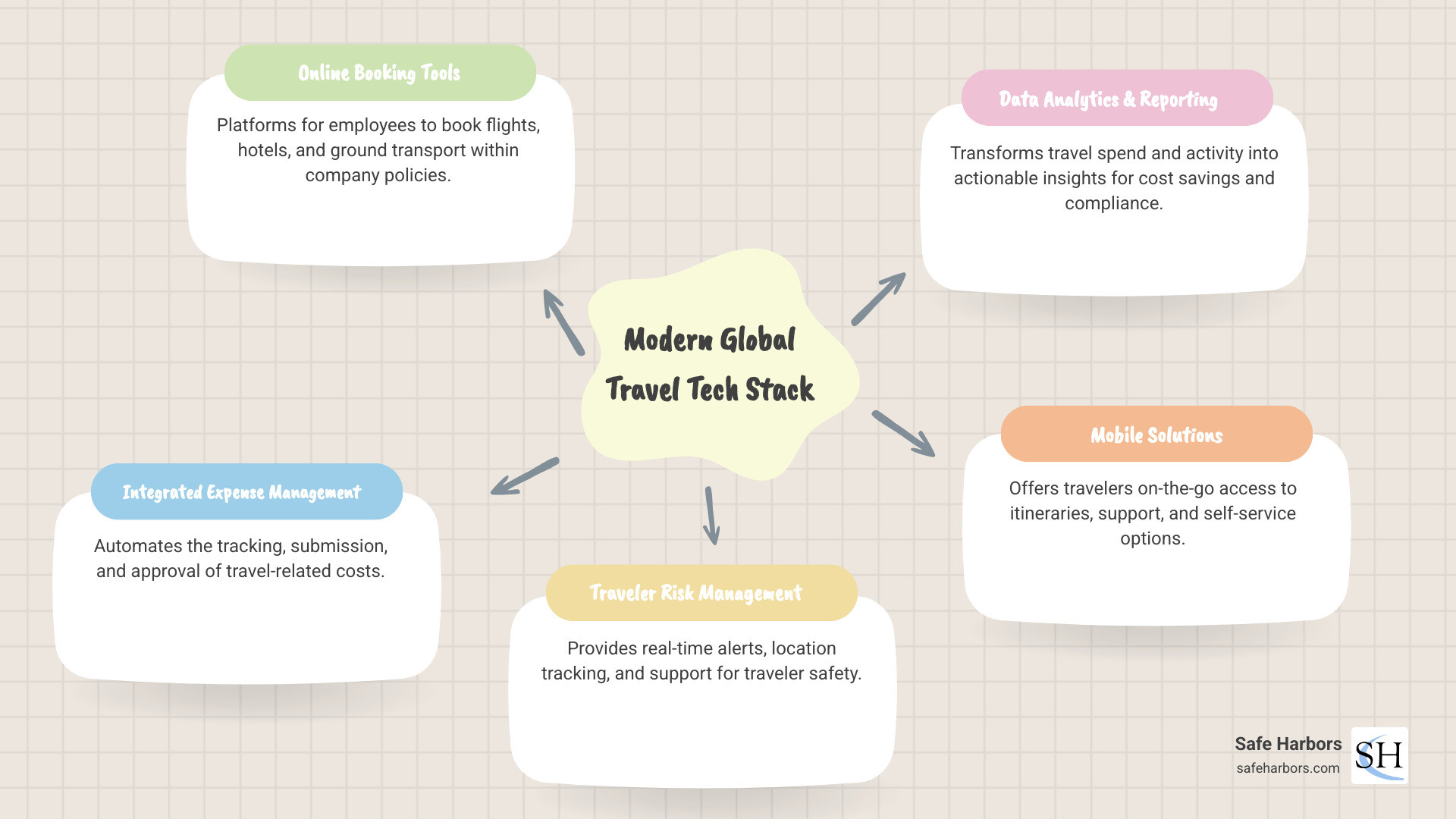
  • Technology integration - Online booking tools, mobile apps, and data analytics
  • Cost optimization - Negotiated rates, policy compliance, and budget forecasting
  • 24/7 expert support - Dedicated agents with industry expertise

The stakes are higher than ever. As one executive assistant managing travel for a 900-employee law firm recently shared in a professional forum: "We have been through two corporate travel agencies that we have had nothing but problems with." This frustration echoes across industries where outdated systems and poor service create operational headaches.

Modern Travel Management Companies (TMCs) recognize that every company is different. Leading providers design custom programs using data from millions of annual business trips, while others leverage forecasting technology to identify the most cost-effective travel times.

The difference between surviving and thriving often comes down to choosing a partner who understands that corporate travel is a strategic business function, not just a logistical necessity.

The Core Components of Modern Corporate Travel Agency Services

Gone are the days when corporate travel agency services just meant finding the cheapest flight. Today, it’s all about building a true strategic partnership. Imagine a partner who helps you streamline operations, optimize every dollar spent, and genuinely cares for your travelers' well-being. That's the heart of modern travel management. It’s about comprehensive, end-to-end travel management, moving far beyond simple transactions to offer strategic support every step of the way.

diverse group of business professionals in a modern office setting reviewing travel plans - corporate travel agency services

A fantastic partner makes sure your travel plans integrate seamlessly with your expense systems, guaranteeing policy compliance. It's not just about following rules; it's about smart spending. How do we achieve this? Through powerful supplier negotiations! Think of it as having an insider who gets you special, preferred rates with airlines, hotels, and car rentals that simply aren't available to the general public. This is where real savings begin.

What’s more, top-tier corporate travel agency services provide invaluable data analytics. By looking at millions of travel transactions, they gather insights that can completely transform your future travel strategy. This data helps you understand spending patterns, pinpoint where you can save more, and even predict upcoming travel trends. It’s like having a crystal ball for your business travel, turning raw numbers into actionable intelligence that drives results across your entire organization.

Want to dive deeper into how these services can boost your bottom line? Check out our guide: 7 Fundamental Ways Corporate Travel Management Saves Money.

Strategic Expense and Budget Management

Effective expense and budget management truly sits at the core of excellent corporate travel agency services. Our aim isn't just to cut costs, but to maximize your return on investment (ROI) for every single business trip. This involves clever cost control and smart forecasting. For example, imagine having technology that shows you the absolute cheapest time to travel in one quick search, helping you book at the most economical moments. This proactive approach helps keep your travel budget healthy and prevents unnecessary spending.

Access to negotiated rates is a game-changer. These are often exclusive deals with airlines, hotels, and car rental companies that individual travelers just can’t get. This special access, combined with solid travel policies, helps you control spending without ever compromising on the quality or comfort your travelers deserve.

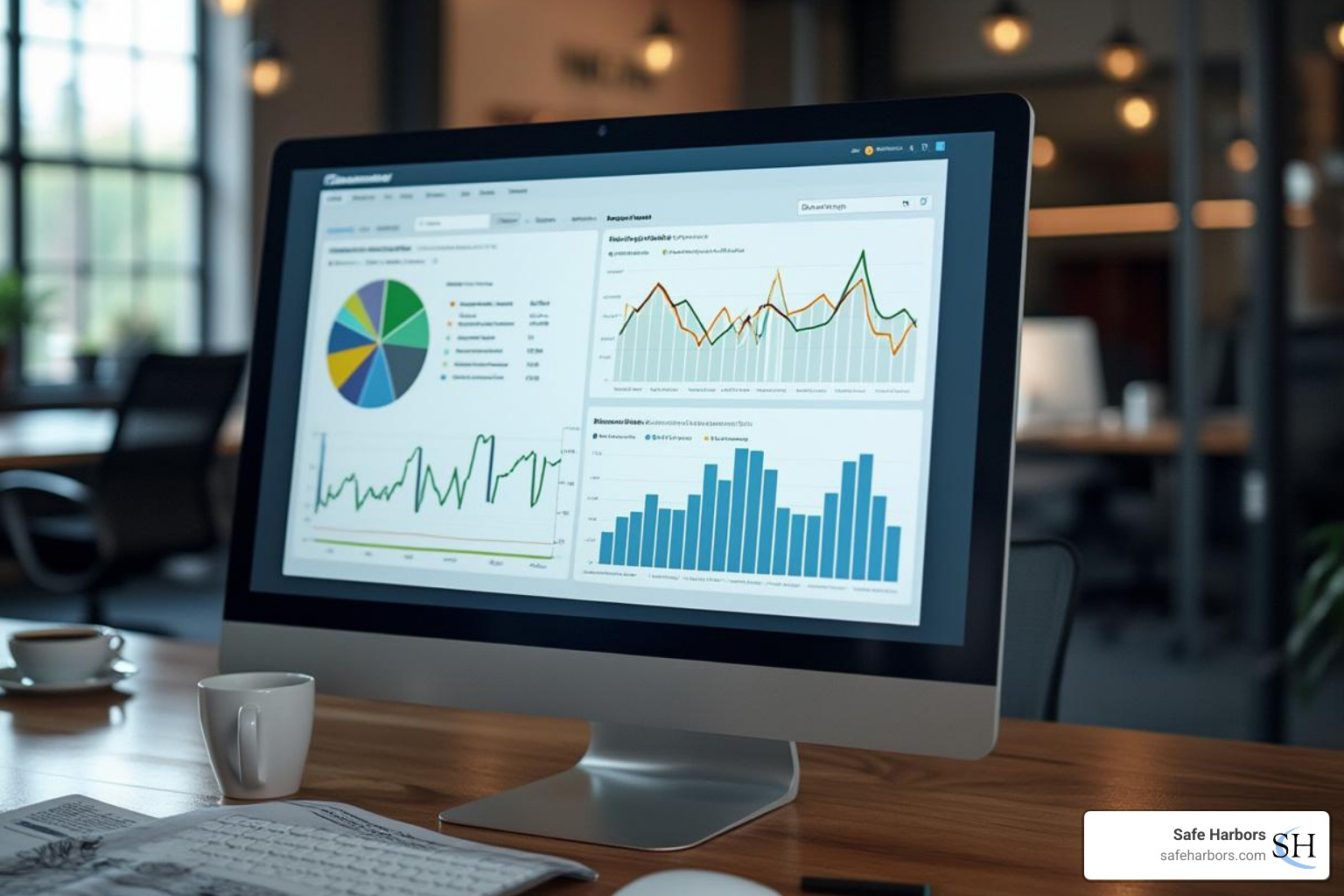
To stay on top of your spending, real-time reporting dashboards are essential. These personalized dashboards organize all your company's travel spending and usage, giving you immediate visibility and control. You can see exactly where your money is going, spot trends, and make informed decisions in a flash. This level of transparency is key to keeping both your finance department and your busy travelers happy, a topic we explore further in our article: The Business Travel Manager's Dilemma: Keeping Finance and Your Travelers Happy.

Custom Solutions for Every Business

We truly believe that one size never fits all when it comes to corporate travel agency services. Whether you're a small business just starting out with managed travel or a global enterprise with thousands of employees on the go, scalability is incredibly important. The best travel management companies proudly support businesses of all sizes, proving that effective travel management isn't just for the big players. Even small and medium-sized businesses (SMBs) can find custom solutions that fit their unique needs, often with user-friendly, cost-effective platforms designed just for them.

For global enterprises, the complexity multiplies. You need partners who can offer comprehensive Global Travel Management solutions. This means getting local expertise within a consistent global framework, ensuring smooth service and policy adherence no matter where your team travels or what time zone they're in.

You'll want customized service levels. This means your travel partner takes the time to truly understand your company's culture, goals, and specific challenges. Then, they design a travel program that aligns perfectly with your vision. This personalized approach allows you to open up all the amazing benefits that managed travel has to offer, as highlighted in our insights on 5 More Benefits of Corporate Travel Management.

The Dual Power of Technology and Expert Service

In the modern world of business travel, the magic happens at the intersection of cutting-edge technology and human ingenuity. We believe a successful travel program balances powerful, intuitive technology with accessible, expert human support. This high-tech, high-touch approach ensures efficiency for our bookers and peace of mind for our travelers.
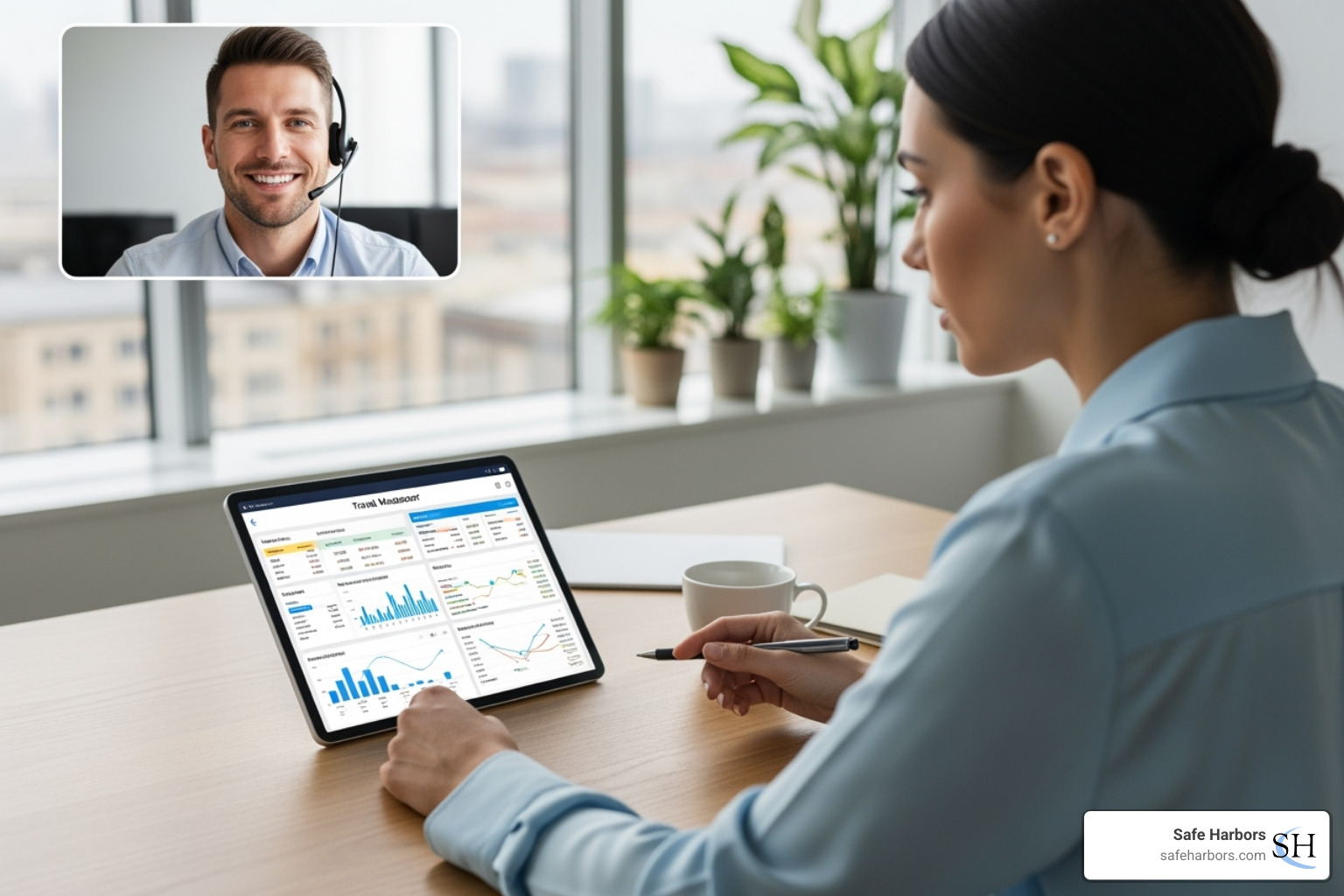
travel manager using a travel dashboard on a tablet with a smiling agent on a video call in the corner - corporate travel agency services

Modern corporate travel agency services offer sophisticated Online Booking Tools (OBTs) and mobile apps that put intuitive travel technology at our fingertips 24/7. These tools simplify research, booking, and trip management, making the process simple, efficient, and reliable. However, as some Executive Assistants lament, not all platforms are created equal; some can be notoriously frustrating and time-consuming. We prioritize flexible booking tools via elite tech partnerships that offer a seamless user experience, allowing for quick bookings and easy modifications.

Beyond basic booking, advanced platforms leverage AI-driven insights to personalize offers and optimize routes. Many also incorporate New Distribution Capability (NDC), which provides access to custom offers, accurate pricing, and transparent ancillary fees directly from airlines, simplifying decision-making for travelers and offering more choice. This blend of innovation ensures we're always getting the best options available. We explore these practices in more detail in The Best Practices of a Travel Management Company.

Beyond the Platform: The Value of Human Expertise

While technology drives efficiency, the human element remains irreplaceable. We place immense value on dedicated agents—experienced professionals who truly understand our account and our specific needs. These aren't just call center operators; they're seasoned experts, with many agents boasting an average of over 15 years of experience in the travel industry. They are not pressured by time or quotas, ensuring bookings are handled correctly the first time and that complex itineraries are managed with meticulous precision. The forum discussions reveal a strong preference for agencies that prioritize dedicated, experienced agents over high-volume, impersonal service.

This human expertise is especially vital for 24/7 emergency assistance. When travel disruptions occur, whether it's a missed connection or an unforeseen global event, we need immediate response and support, regardless of time zones. Our partners provide round-the-clock assistance, ensuring our travelers are never left stranded. This comprehensive white-glove service, often referred to as Concierge Travel Service, means proactive problem-solving and support for even the most complex travel scenarios, giving us and our travelers peace of mind.

Innovations Shaping the Future of Business Travel

The corporate travel industry is constantly evolving, driven by innovation and global shifts. We keep a keen eye on emerging trends that will shape the future of business travel. Sustainability tracking is becoming increasingly important; we want to partner with agencies that can help us monitor and reduce our carbon footprint, offering eco-friendly travel options and reporting on our environmental impact. Some agencies are actively involved in initiatives like the 'Convention des Entreprises pour le Climat,' demonstrating a commitment to responsible travel.

Data-driven personalization is another exciting frontier. As agencies gather more insights from millions of transactions, they can tailor travel experiences to individual preferences and company policies, making each trip more efficient and enjoyable for the traveler. We also see growth in virtual payment solutions and seamless integrations with existing enterprise systems, further simplifying the travel and expense process. Staying abreast of these developments helps us steer the ever-changing landscape of business travel, as discussed in News and Trends in Corporate Travel: Managing World Troubles to Transparent Travel Data.

Beyond Logistics: Prioritizing Traveler Safety and Wellbeing

Our company's Duty of Care to our employees is paramount. This isn't just a legal obligation; it's a moral one. We prioritize partners who provide the tools and support to protect our most valuable asset: our people. This means robust risk mitigation strategies, real-time traveler tracking, and instant alerts that keep us informed and our travelers safe, no matter where they are in the world.

world map on a screen showing traveler locations and risk alerts - corporate travel agency services

A top-tier TMC offers comprehensive Travel Risk Management services, including pre-trip advisories that prepare our travelers for their destinations. This proactive approach minimizes potential risks and ensures our employees are well-informed before they even depart.

Comprehensive Travel Risk Management Protocols

Effective travel risk management protocols are non-negotiable for us. We need partners who can provide immediate response plans in emergencies, ensuring that help is swift and effective. This includes geopolitical monitoring to assess risks in different regions and access to health and security support for our travelers on the ground. Some agencies, for instance, offer specialized services like arranging armored cars in high-risk areas, demonstrating a commitment to traveler safety beyond standard protocols.

We understand the critical importance of these measures, which is why we emphasize Why Implementing a Travel Risk Plan for Employees is Crucial. Additionally, ensuring our travelers have all necessary documentation is vital, and our partners assist with Passport & Visa Services to prevent any last-minute problems.

Fostering Traveler Wellbeing and Sustainability

Beyond just safety, we are increasingly focused on fostering traveler wellbeing. This means reducing travel friction, making the journey as smooth and stress-free as possible. Agencies help by providing intuitive booking tools, dedicated support, and proactive communication, which promotes a better work-life balance for our traveling employees. We recognize that happy travelers are more productive travelers. Our approach to this is detailed in Business Travel Duty of Care and Risk Management, and further explored in Duty of Care Business Travel.

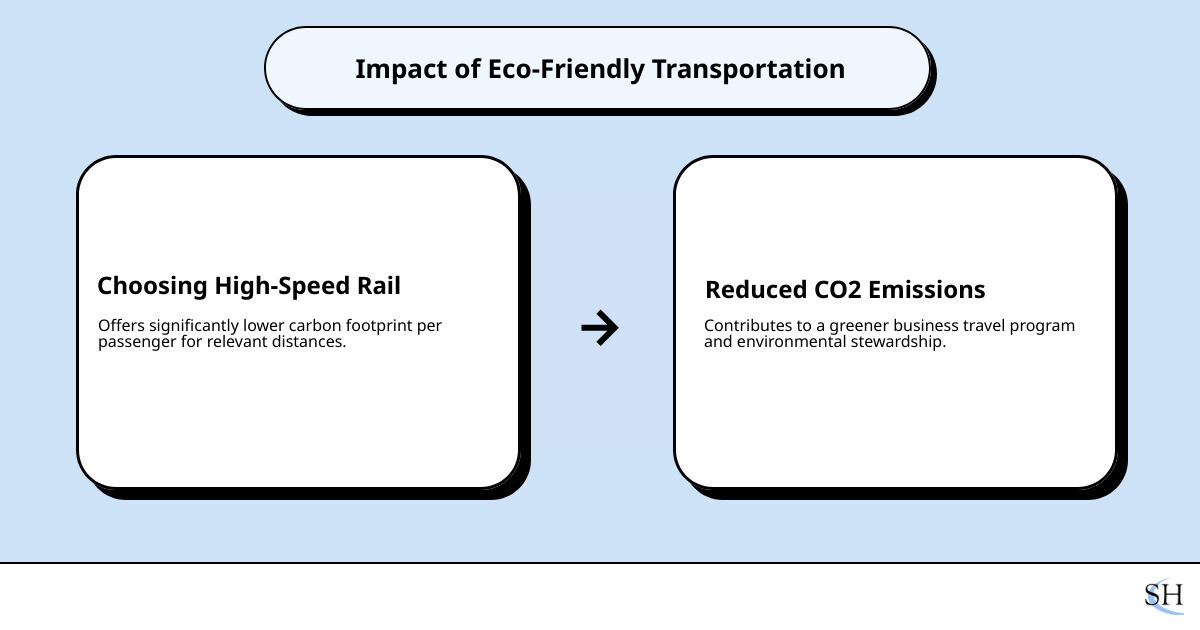
We also consider sustainability a key factor. Modern corporate travel agency services can provide detailed carbon footprint reporting, helping us understand the environmental impact of our business travel. They can also recommend eco-friendly travel options, from train travel over short-haul flights to hotels with strong sustainability initiatives. This allows us to make more responsible choices that align with our corporate values.

How to Choose the Right Corporate Travel Partner

Selecting a provider of corporate travel agency services is a truly big decision. Think of it as finding a new, trusted team member who will help your business run smoothly, manage your budget wisely, and keep your travelers happy and safe. It's not a choice to be made lightly, and we're here to help you steer it.

We always suggest starting with a thorough needs assessment. This simply means taking a good look at your company's unique travel habits. What are your current frustrations? What are your dreams for a perfect travel program? Clearly defining your requirements, pain points, and strategic goals will light the way forward.

Once you know what you're looking for, the Request for Proposal (RFP) process is your best friend. It’s a structured way to ask potential partners exactly what they can offer. You'll outline your expectations and ask detailed questions, just as we guide you in How to Create an RFP. A big part of this evaluation should be their technology. You'll want user-friendly platforms, flexible booking tools that connect with top tech, and robust reporting capabilities. Make sure their tech stack truly aligns with your needs, making life easier for everyone.

And don't forget Service Level Agreements (SLAs)! These are like your partnership roadmap, clearly defining things like response times, service guarantees, and support levels. They set clear expectations from the start. To make sure you're covering all your bases, take a look at our guide on the 10 Factors to Consider When Searching for the Right Travel Management Partner.

To help you get started, here are some key questions we recommend asking any potential TMC:

  • What is your average customer satisfaction rating, and how do you measure it?
  • How do you ensure compliance with our specific travel policy?
  • Can you provide examples of how you've helped similar-sized companies achieve cost savings?
  • What are your standard response times for booking requests and emergency support?
  • How do your technology platforms integrate with existing systems (e.g., HR, expense management)?
  • What risk management and duty of care protocols do you have in place for our travelers?
  • How do you support our sustainability goals in business travel?

Evaluating a provider of corporate travel agency services

When you're evaluating a provider of corporate travel agency services, look beyond just the basic offerings. Think about the day-to-day experience. Response times are super important; you want a partner who can react quickly, whether it's for a last-minute booking change or an urgent question. Some of the best agencies pride themselves on incredibly fast call response times, which can make all the difference when you're busy.

It's also crucial to really understand their fee structures. Transparency is key here. Some agencies might charge extra for calls or e-credits, and these small fees can really add up. Make sure you know exactly what you'll be paying for.

Client retention rates can tell you a lot about an agency's performance and how happy their existing clients are. High retention rates usually mean consistent quality and great service. We also highly recommend checking out testimonials and case studies. These are real-world examples of how they've helped other businesses succeed. Finally, a good cultural fit is incredibly important. You want a partner whose values match yours, someone who feels like a natural extension of your own team. Understanding both The Pros and Cons of Outsourcing Travel Management can help you weigh these considerations carefully.

Specialized Services for Unique Business Needs

Not every business travels the same way, and many corporate travel agency services understand this perfectly. They offer specialized expertise for unique needs. For example, industries like entertainment and media (think film, TV, music, sports, gaming) have super dynamic and often unpredictable travel needs. They need agencies experienced in handling production travel, tour logistics, and even VIP expectations with precision and discretion. Some agencies have decades of experience serving this sector.

The life sciences sector, including pharmaceutical companies, also has very specific travel and meeting requirements, often focused on seamless connections for health outcomes. Agencies that serve this sector deeply understand their unique compliance and logistical needs.

Beyond these, you can find agencies that cater specifically to:

  • Humanitarian Travel for NGOs and aid organizations, where travel is often to challenging locations and requires specific support. You can learn more about this at Humanitarian Travel.
  • Travel for Non-profit organizations, which often have unique budget constraints and specific reporting needs. Our blog, 8 Questions Travel Management Company Nonprofit, dives into this.
  • Government-related travel, which frequently involves complex protocols and strict security clearances.
  • Academic travel, supporting everything from educational tours to university-level programs.

No matter your industry, there's likely a corporate travel partner out there with the specialized knowledge to meet your exact needs.

Frequently Asked Questions about Corporate Travel Management

What's the difference between a corporate travel agency and a travel management company (TMC)?

You might hear these terms used interchangeably, but there's a big difference! Think of it like this: a traditional corporate travel agency is like a helpful assistant who expertly books your flights and hotels. They handle the transactional side, making sure you get where you need to go.

However, a modern Travel Management Company (TMC) goes far beyond just booking. They act as your strategic partner, almost like an extension of your own team. They're looking at the bigger picture – integrating advanced technology to make bookings a breeze and give you powerful data insights. They're also deeply committed to your team's safety, putting robust risk management and Duty of Care protocols in place. Plus, they're savvy strategists when it comes to your budget, using negotiated rates and smart policy enforcement to ensure every dollar spent on travel brings maximum value.

A TMC manages your entire travel program, optimizing every single aspect for efficiency, savings, and, most importantly, the wellbeing of your travelers. If you peek back at our infographic in the introduction, you'll see a clear visual of how these two approaches really differ!

How do corporate travel agency services save businesses money?

Ah, the million-dollar question! Corporate travel agency services are absolute wizards when it comes to saving your business money, and it's not just about finding the cheapest ticket.

First off, they have serious buying power. Think of it like a bulk discount for travel – they negotiate fantastic preferred rates and discounts with airlines, hotels, and car rental companies that you simply wouldn't get on your own. This alone leads to significant savings.

But it doesn't stop there! They also help you keep a tight ship with your travel policies. By guiding travelers to compliant and cost-effective options, they cleverly prevent overspending and those pesky 'rogue bookings' that can eat into your budget.

Then there's the magic of efficiency. With intuitive online booking tools, handy mobile apps, and dedicated expert support, your team spends less time fussing over travel arrangements. This frees up valuable internal resources, translating directly into operational savings.

Finally, TMCs are data detectives! They provide detailed analytics and reporting, giving you crystal-clear insights into where your travel dollars are going. This allows you to spot trends, identify areas for even more savings, and make truly data-driven decisions. Some even use clever forecasting technology to pinpoint the absolute cheapest times to travel, making every trip a smart investment.

Can small businesses benefit from a corporate travel agency?

Absolutely, and this is a common misconception! Many small businesses assume that corporate travel agency services are just for the big players. But that couldn't be further from the truth.

In fact, partnering with a TMC can be a game-changer for SMBs. It instantly levels the playing field, giving you access to those coveted corporate rates and negotiated discounts that were once only available to large enterprises. This means real, tangible cost savings on flights, hotels, and rentals, helping your budget go further.

Beyond the savings, think about the time you'll reclaim! TMCs offer fantastic time-saving booking tools and mobile apps that streamline the entire travel process. This means less administrative burden for you and your team, allowing you to focus on what you do best – growing your business.

And perhaps most importantly, SMBs gain access to crucial Duty of Care protections. This includes things like traveler tracking, emergency support, and robust risk management protocols. It ensures the safety and wellbeing of your traveling staff, regardless of your company's size, which is a huge peace of mind. Many agencies, including those mentioned in professional forums, now offer solutions specifically custom for SMBs, proving that top-tier travel management is truly accessible to everyone.

Conclusion

So, as we've explored together throughout this guide, choosing the right corporate travel agency services for your business isn't just about booking flights and hotels. It's truly a strategic investment – one that deeply impacts your company's efficiency, protects your budget, and most importantly, ensures the safety and wellbeing of your incredible team.

Think of it this way: you wouldn't leave your most important business decisions to chance, right? The same goes for your travel program. You need a provider who understands that modern business travel is a dynamic blend of powerful technology, expert human support, and an unwavering commitment to your travelers' peace of mind. It's about finding that 'high-tech, high-touch' sweet spot we discussed.

A true partner, like Safe Harbors, doesn't just manage trips; they become an extension of your team. They're there to deliver exceptional value every step of the way, helping you save money, streamline operations, and ultimately, fuel your business growth. Because when your travelers are safe, supported, and productive, your entire company thrives.

Ready to transform your business travel into a strategic advantage?

Learn more about our comprehensive business travel services

Your Personal CEO: A Deep Dive into Executive Concierge

Open uping the Value of Executive Concierge

Executive concierge service - Executive concierge service

An executive concierge service is a specialized, high-touch support system for top-tier professionals and their companies. These services aim to:

  • Save executives significant time and reduce stress.
  • Handle a wide range of personal and professional tasks.
  • Provide personalized, proactive assistance.
  • Ensure seamless execution of complex logistics, from travel to events.
  • Ultimately improve executive productivity and well-being.

Imagine the expertise of a luxury hotel concierge, but custom exclusively for your executives. In today's corporate world, leaders face immense pressure, and time is their scarcest resource. The demands of high-stakes business can lead to stress and reduced productivity, which is where an executive concierge service steps in.

It acts as a strategic partner, handling complex logistics and personal demands to free up leaders to focus on core business objectives. It's about providing white-glove support to ensure executives are at their best, both personally and professionally.

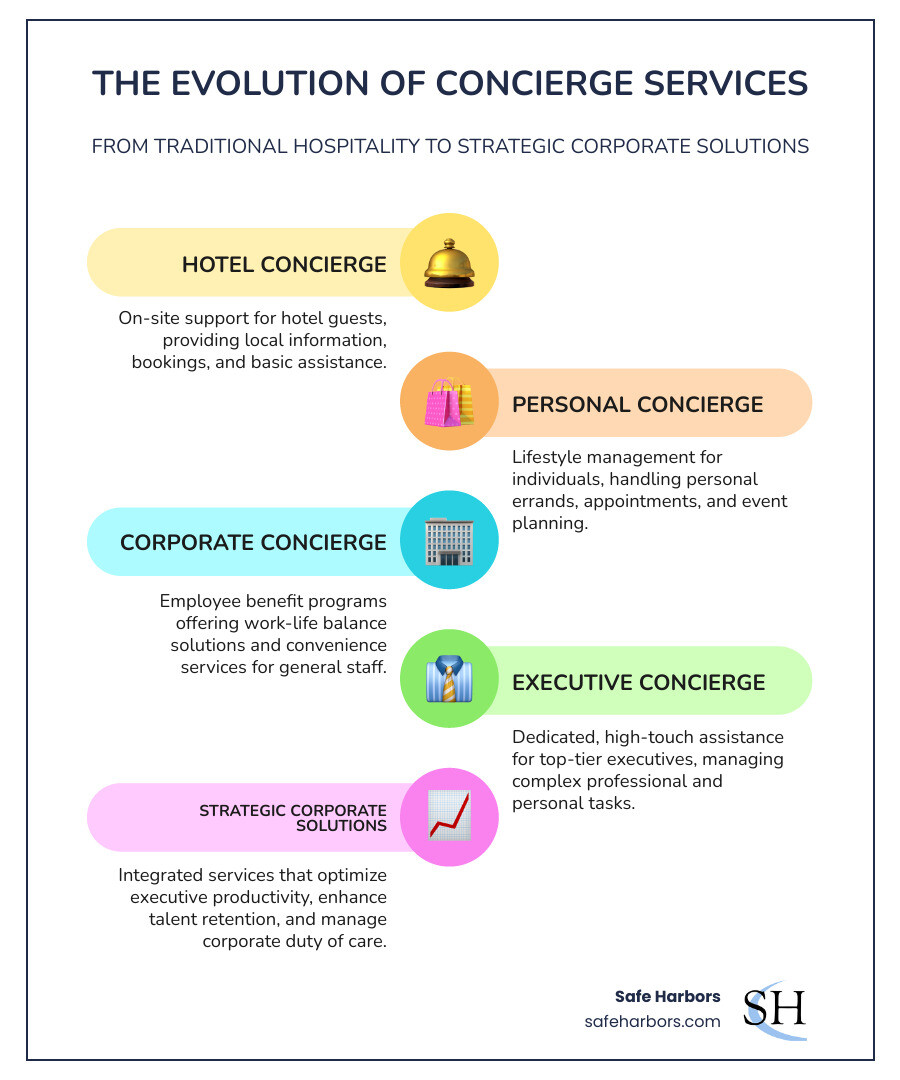
Infographic explaining the evolution of concierge services from hotel desks to comprehensive corporate solutions - Executive concierge service infographic infographic-line-5-steps-colors

What is an Executive Concierge Service?

Imagine a trusted partner handling all the details, big and small, so you can pour your energy into leading your company. That's what an executive concierge service offers. It's a highly personalized support system for top-tier executives and senior management. Think of it as a "personal CEO" for the demanding tasks that consume valuable time but aren't core to your strategic goals.

Our service provides crucial high-touch support, expertly managing both personal and professional tasks. The goal is to ensure everything runs smoothly. We offer proactive assistance, often anticipating needs before you realize them. This isn't just about convenience; it's about giving leaders back precious time, reducing stress, and empowering them to focus on their core roles. It combines a personal assistant, travel manager, and event planner with unparalleled discretion, foresight, and access. We handle the complexities, allowing you to concentrate on your leadership vision.

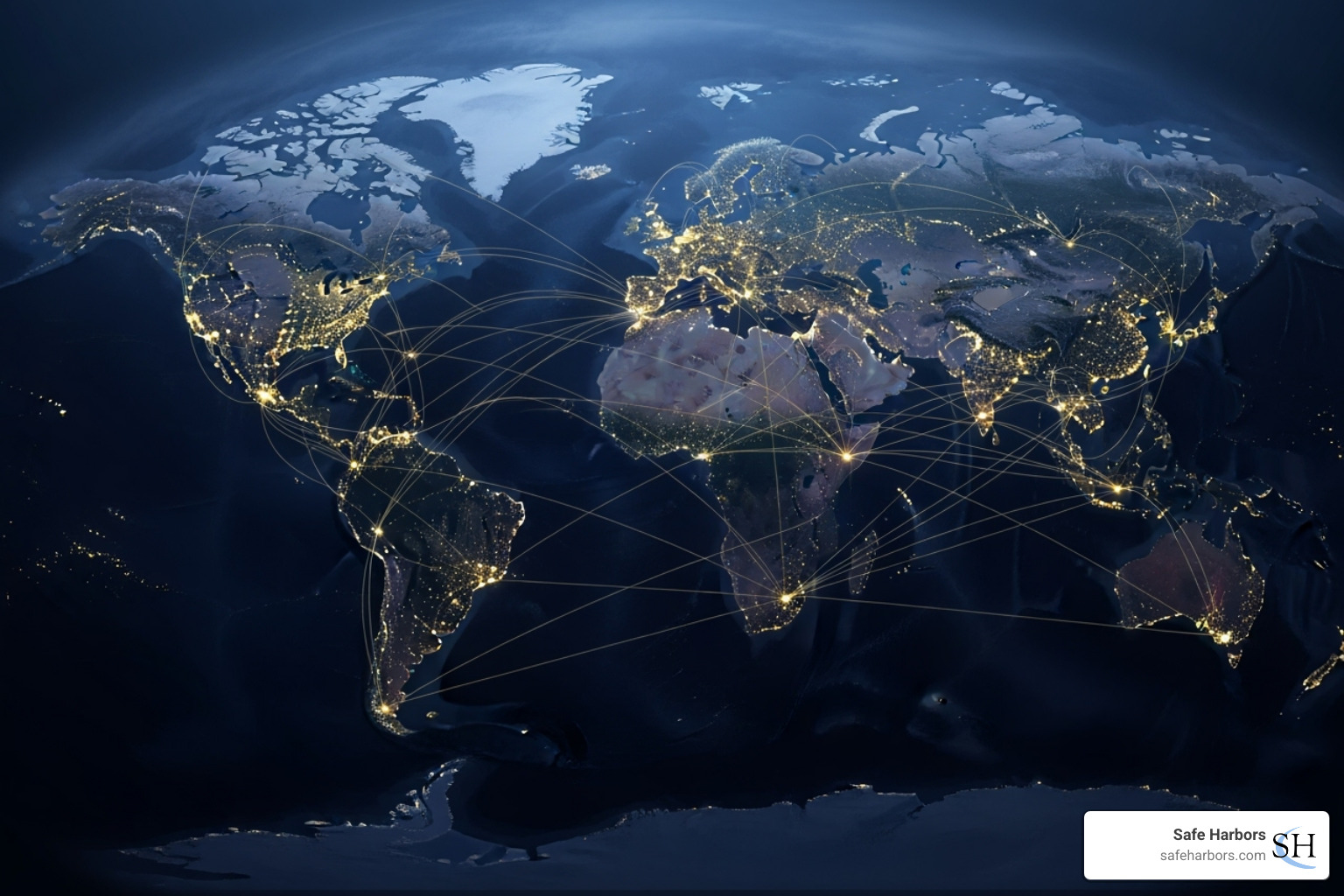
world map with connected points, symbolizing global, seamless support - Executive concierge service

Executive vs. Corporate vs. Personal Concierge

While the word "concierge" might make you think of a friendly hotel desk, there are important differences when it comes to supporting busy professionals. Understanding these distinctions helps clarify why an executive concierge service is so unique.

Feature Executive Concierge Service Corporate Concierge Service Personal Concierge Service
Target User C-suite executives, senior management, ultra-high-net-worth individuals All employees within a company, often as a benefit program Individuals, households, or small businesses
Scope of Services Highly customized, complex, often global. Focus on high-stakes business and personal needs of top leaders. Broader range of tasks, often more routine. Focus on improving employee work-life balance. General errands, lifestyle management, home services, event planning for individuals.
Proactivity Level Highly proactive, anticipatory, strategic partnership. Reactive to employee requests, benefit-driven. Reactive to individual requests.
Degree of Customization Bespoke solutions, often involving exclusive access and complex coordination. Standardized offerings, though employees can choose tasks. Custom to individual preferences, but usually less complex than executive.
Exclusivity Access to exclusive networks, VIP treatment, highly discreet. Focus on general employee well-being and productivity. Varies by provider, generally less emphasis on exclusivity.

An executive concierge service stands out because of its laser focus on the unique, high-pressure needs of top-tier leaders. A corporate concierge might help all employees with everyday errands, but an executive concierge manages the intricate travel, scheduling, and personal demands that allow C-suite individuals to perform at their best. It's about elevating their user focus and service depth to help them succeed globally, not just about daily convenience. The level of exclusivity and bespoke solutions is unparalleled.

The "White-Glove" Philosophy

The mark of an outstanding executive concierge service is the "white-glove" philosophy. This isn't just about checking off tasks; it's about crafting an experience. Every detail is handled with meticulous planning, a personalized approach, and a commitment to going above and beyond. We live by this philosophy by anticipating needs, orchestrating seamless experiences, and focusing on discretion and precision.

For example, when a Senior Vice President moves their family for a critical international assignment, it's a high-stakes transition. Our executive concierge consultants thrive in these situations, empowered to authorize resources to improve the VIP experience. This approach turns a stressful transition into a smooth journey.

Our consultants act as your single point of contact, managing service providers behind the scenes. This ensures clear communication and a streamlined process, vital for a VIP experience. Our detail-driven approach means we provide service that anticipates your needs, ensuring every solution reflects the high standards of our executive clients.

The Spectrum of Services: From Daily Tasks to High-Stakes Logistics

An executive concierge service offers a broad range of support, from the mundane to the complex. Our aim is to simplify the lives of executives, allowing them to reclaim precious time and mental space. Here’s a glimpse into the support we provide:

Top 10 Most Requested Executive Concierge Tasks:

  1. Complex travel itinerary planning and management.
  2. Securing exclusive dining reservations and private event spaces.
  3. Coordination of high-profile corporate retreats and events.
  4. VIP airport services and luxury ground transportation.
  5. Personal errand running (e.g., dry cleaning, gift purchasing, home services coordination).
  6. Relocation assistance for executives and their families.
  7. Access to exclusive experiences and entertainment bookings.
  8. Health and wellness appointments and coordination.
  9. Strategic personal branding and digital presence optimization.
  10. Last-minute crisis management and problem-solving.

High-Touch Business & Travel Management

For busy executives, travel is a constant. We turn complex travel logistics into seamless experiences, covering every aspect of business and luxury travel:

  • Complex Itinerary Planning: We carefully plan multi-city international tours and intricate domestic schedules, managing last-minute changes with ease.
  • Private Jet Charters & Luxury Ground Transportation: We arrange private air travel and chauffeured services for ultimate flexibility and comfort, offering security and reliability with professionally trained drivers.
  • VIP Airport Services: We ensure expedited passage through immigration and security, handle luggage, arrange private transfers, and secure airport lounge access with meet & greet services.
  • Global Travel Management: Our global network coordinates travel worldwide, ensuring consistent, high-quality service. This includes immediate response support and flexible booking tools via elite tech partnerships.
  • Passport & Visa Services: We manage all necessary documentation for efficient international travel.
  • Duty of Care: We integrate robust travel risk management into all plans, prioritizing executive safety. Learn more about our approach to Travel Risk Management and Business Travel Duty of Care and Risk Management.
  • Concierge Travel Services: Our dedicated team provides personalized support for every journey. Explore our Concierge Travel Service and Business Travel Services. We excel in Global Travel Management for Business Travelers.

private jet on a tarmac at sunset - Executive concierge service

Professional & Corporate Event Coordination

Beyond travel, we orchestrate high-impact corporate events that reflect your company’s prestige:

  • Board Meetings & Corporate Retreats: From site selection to agenda management, we curate seamless experiences that foster productivity and collaboration, including team-building and wellness programs.
  • Client Entertainment: We secure exclusive dining reservations and arrange access to high-profile events for memorable client interactions.
  • Event Planning: For any size gathering, we handle all aspects, including catering, venue selection, and professional speaker arrangements.
  • Service Excellence Training: We can integrate training programs to instill a five-star service mindset within your own teams.

Personal Lifestyle Management

Executive demands often impact personal lives. Our service extends to managing these responsibilities for a harmonious balance:

  • Relocation Assistance: We provide comprehensive support for executive moves, including home finding, school searches, and coordinating household services.
  • Home Services Coordination: We manage daily household needs, from housekeeping and maintenance to pet care and personal shopping.
  • Personal Shopping & Gifting: We source unique items, manage gift lists, and ensure timely delivery for all occasions.
  • Health & Wellness Appointments: We schedule and coordinate medical appointments, fitness classes, and spa treatments to prioritize executive well-being.
  • Family Support: We can coordinate school runs, childcare, or assist with other parental outsourcing needs.
  • Errand Running: We handle a wide array of personal errands, from dry cleaning to grocery shopping, freeing up valuable personal time.

The ROI of White-Glove Service: Key Benefits for Businesses and Executives

Investing in an executive concierge service is a smart business move with measurable benefits for both individual executives and the company as a whole.

relaxed executive focusing on a presentation, with background elements suggesting handled tasks like tickets and reservations - Executive concierge service

For the Executive: Reclaiming Time and Reducing Stress

The most immediate benefit for executives is reclaiming time and reducing stress. When time is your most valuable asset, an executive concierge service multiplies your efficiency.

By delegating non-core tasks, executives gain increased focus on high-level decisions and leadership, leading to improved productivity. This service also promotes an improved work-life balance, allowing executives to reclaim personal time for family, hobbies, or rest. This is key to preventing burnout and ensuring long-term peak performance. Knowing that personal and travel details are expertly managed greatly reduces stress, leading to improved mental well-being for leaders and business travelers.

For the Business: Boosting Productivity and Retention

The benefits of an executive concierge service extend to your company's success and talent strategy. When top executives feel supported, job satisfaction rises, leading to higher retention rates for your most important talent. A recent survey from Randstad US found that 94% of workers wish for benefits that improve their work-life balance. An executive concierge service directly answers that call, giving your company a competitive advantage in attracting and retaining top talent. It shows you care about your team's well-being and productivity.

When executives are less distracted by personal chores, they become more productive. This efficiency spreads throughout the company, creating a more focused work environment and leading to increased overall productivity.

Our service becomes a strategic support for key departments. For your CFO and Finance Executives, we ensure cost-effective travel and event management. For Human Resource Managers, our service is a powerful tool for talent management and employee well-being.

An executive concierge service also strengthens your company's commitment to Business Travel Duty of Care and Risk Management and highlights the Compelling Security Benefits of Corporate Travel Management. We help companies create optimized travel programs, from making the Move to Managed Travel to showing how Corporate Travel Management Saves Money and outlining 5 More Benefits of Corporate Travel Management.

The executive concierge service landscape has transformed, blending cutting-edge technology with an irreplaceable human touch. Modern tools don't replace our team; they give them superpowers to serve you better.

The Role of Technology in a High-Touch World

Technology in our service isn't about replacing the personal relationship; it's about enhancing it. It empowers our teams to anticipate needs and respond faster.

  • Mobile apps and online platforms allow executives to submit requests, check arrangements, and communicate with their team 24/7 from anywhere, all with top-tier security.
  • AI assistants and automation work behind the scenes to streamline processes, analyze preferences, and suggest options, making the service more efficient.
  • Secure communication platforms use encryption to protect confidential business and personal discussions. Learn more about End-to-end encryption.
  • Real-time tracking and notifications provide peace of mind during travel, with updates on cars, flights, and reservations.

Our elite tech partnerships provide flexible booking tools that enable our Immediate Response capability. This technology backbone ensures we can act immediately on urgent requests.

The world of executive support is evolving with new expectations and possibilities.

  • Hyper-personalization goes beyond preferences to anticipate needs you haven't yet expressed by learning your work patterns and personal values.
  • Wellness integration is key, as executive performance depends on holistic well-being. We provide access to mental health resources, mindfulness programs, and wellness retreats.
  • Sustainable and ethical options are now standard. We make eco-friendly travel and ethically sourced gifts as convenient as traditional choices.
  • Experience-based requests are replacing simple transactions. We curate unique culinary adventures and memorable accommodations, not just bookings.
  • Digital security and brand management are crucial. We help C-suite executives manage their online presence by optimizing profiles and crafting a compelling image.

Tailoring an Executive Concierge Service for Unique Needs

A premier executive concierge service adapts completely to your specific situation.

  • Industry-specific support means understanding the unique demands of your field, from finance to tech, including specialized knowledge for Humanitarian Travel and USAid Travel.
  • Client-specific protocols ensure seamless integration with your company's existing vendors, security requirements, and internal processes.
  • Scalable solutions grow with your needs, whether for a single executive or an entire leadership team.
  • Dedicated account management provides consistency and a deep understanding of your preferences. We work closely with your Travel Managers and provide comprehensive Account Management to ensure every interaction is personal and effortless.

Frequently Asked Questions about Executive Concierge Services

When considering an executive concierge service, it's natural to have questions about how it works, what it costs, and how to choose the right fit. Here are some common questions we hear.

How much do executive concierge services cost?

The cost of an executive concierge service is custom to your specific needs, so there's no single price tag. Common pricing models include:

  • Membership Fees: A recurring monthly or yearly fee provides access to a range of services or a set number of hours. This can be company-paid, subsidized, or part of a pay-per-use plan.
  • Pay-Per-Use: You pay only for the specific tasks you use, either by the hour or a flat fee per job.
  • Custom Proposals: For comprehensive corporate programs, we create a custom package with clear, itemized costs based on your unique requirements.

It's important to view this as an investment, not an expense. The value versus the cost is clear when you consider the ROI from increased executive time, reduced stress, and higher productivity. It allows your most valuable people to focus on driving business results.

How do I choose the right provider?

Picking the right executive concierge service is a critical decision. Here’s what to consider:

  • Needs Assessment: Start by clarifying what your executives need most, whether it's travel management, personal errands, or event support.
  • Reputation and Experience: Look for providers with a solid track record supporting high-level executives and global businesses.
  • Service Range and Customization: Ensure they offer the services you need and can tailor them to your company's unique protocols.
  • Security and Discretion: Verify they have robust data security and a commitment to confidentiality.
  • Response Times and Availability: Ask about their response speed and whether they offer 24/7 support, which is crucial for global travel. At Safe Harbors, we pride ourselves on our best response speed, white-glove service, and elite tech partnerships. We also follow the Best Practices of a Travel Management Company.

How are requests handled and what is the response time?

Our process is designed to be smooth and fast. It starts with submission, where executives can send requests via a dedicated phone line, email, or secure mobile app. The request is immediately assigned to a dedicated concierge professional who is the best fit for the task. During execution, your concierge gets to work, providing regular updates. Upon completion, you are notified with all confirmation details.

We stand by our Immediate Response capabilities and clear communication. While turnaround time depends on the request's complexity, our goal is always to be swift and proactive. We often use Service Level Agreements (SLAs) to guarantee timely service and offer 24/7 availability to ensure no executive is ever without support, regardless of their time zone.

Conclusion: Your Strategic Partner in Executive Success

In today's demanding business world, an executive concierge service is no longer a luxury; it's a strategic tool. It empowers top leaders by giving them back precious time, reducing stress, and ensuring complex personal and professional tasks run smoothly.

This "white-glove" service boosts productivity, improves talent retention, and gives your business a competitive edge. When executives can focus on big-picture goals, the entire organization benefits.

From managing complex travel and corporate events to handling personal errands, an executive concierge service provides comprehensive support. It frees leaders to innovate, grow the business, and guide your company to new heights by creating an environment where they can thrive without distractions.

Modern concierge services blend technology with an irreplaceable human touch. By partnering with a dedicated provider like Safe Harbors, you ensure your leaders are focused, effective, and cared for, wherever business takes them.

Ready to empower your leaders?

Explore our comprehensive Business Travel Services

The CFO's Playbook: Maximizing ROI on Every Business Trip

Why Optimizing Business Travel Spend is Critical

optimize business travel spend - optimize business travel spend

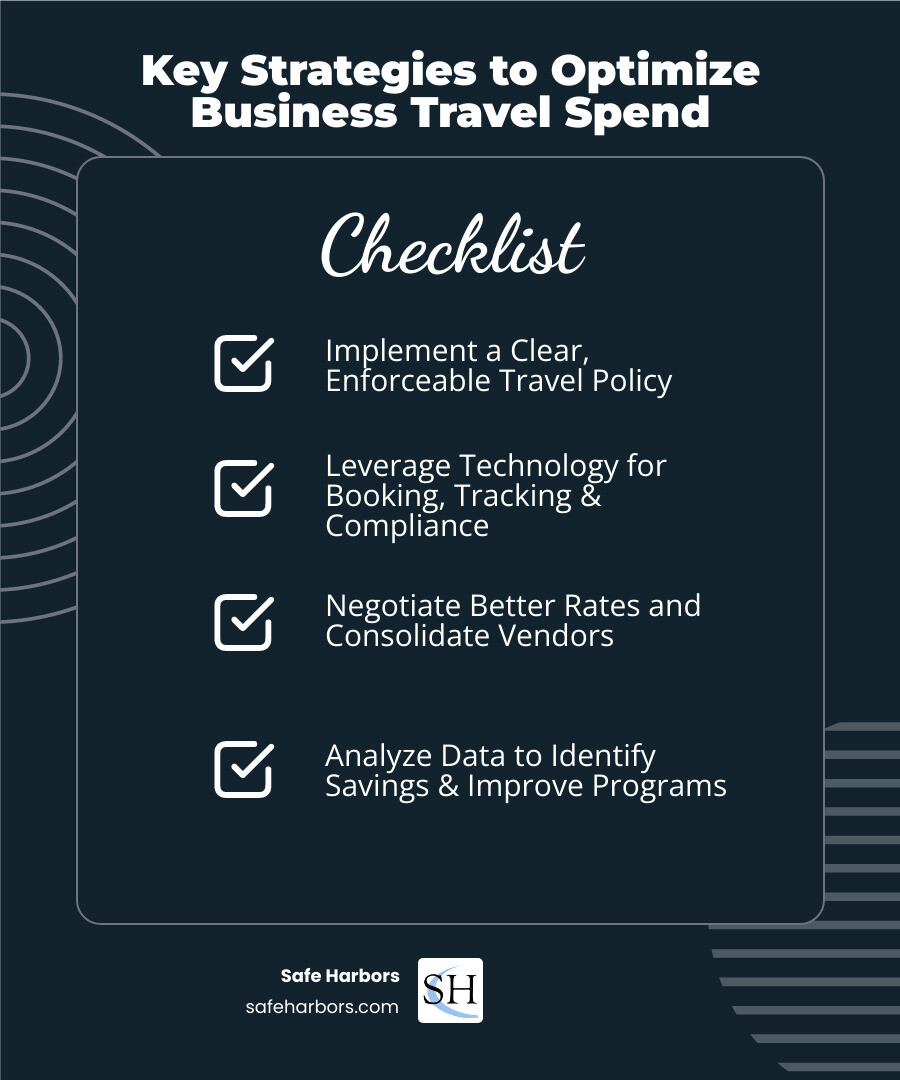
Here are key strategies to optimize your business travel costs:

  • Implement a Clear Policy: Set expectations for bookings and expenses.
  • Book in Advance: Secure lower rates, especially for flights.
  • Leverage Technology: Use platforms for booking, tracking, and compliance.
  • Negotiate & Consolidate: Get better deals with preferred vendors.
  • Encourage Smart Choices: Promote cost-conscious employee behavior.
  • Analyze Data: Use insights to identify savings and improve programs.

To successfully optimize business travel spend, companies must adopt a strategic approach. It's not just about cutting costs; it's about maximizing value. With global business travel spending expected to hit $1.48 trillion by the end of 2024, smart management is more crucial than ever.

Business travel is critical for growth. As 88% of travel decision-makers agree, face-to-face interactions drive organizational success. This playbook will guide you in turning travel expenses into strategic investments.

Infographic detailing key strategies to optimize business travel spend, including policy development, advanced booking, technology use, and negotiation tactics. - optimize business travel spend infographic checklist-dark-blue

Laying the Foundation: Strategic Budgeting and Policy Development

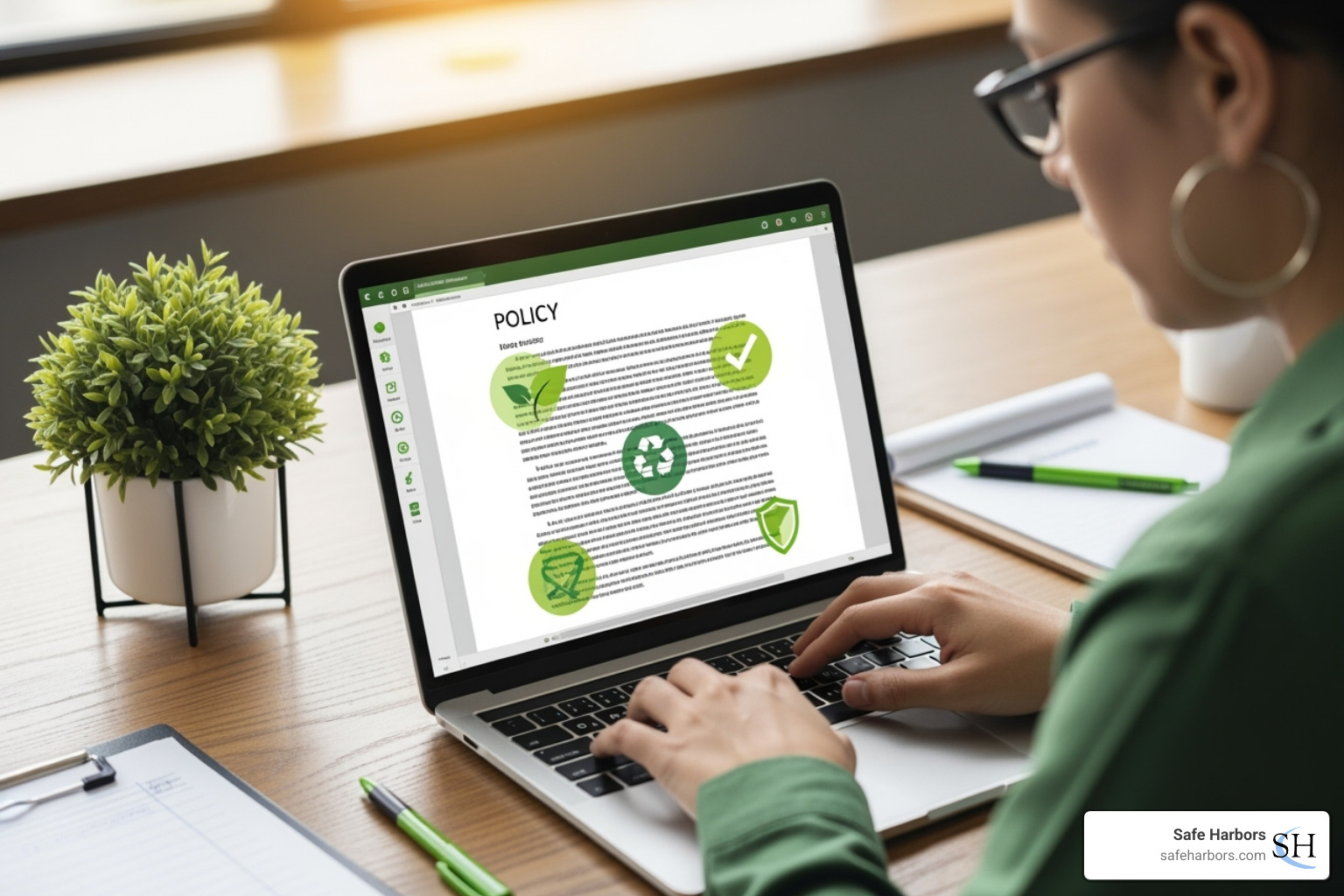
A team collaborating on a travel policy document - optimize business travel spend

To optimize business travel spend, you need a solid foundation. This means understanding where your travel dollars are going, planning how to allocate them, and setting clear guidelines. For CFO and Finance Executives, this groundwork is essential. Every business trip should deliver real value, and that starts with smart data gathering, identifying cost categories, and allocating funds strategically. Your travel policy is the cornerstone that holds it all together.

Understanding and Budgeting for Primary Travel Costs

To truly optimize business travel spend, you must account for every cost. The main categories include:

  • Transportation: This is usually the biggest budget item. It includes airfare, which varies by booking time and class, as well as ancillary fees for baggage and seat selection. It also covers ground transport like taxis, ride-shares, rental cars, and trains, plus parking and tolls.
  • Accommodation: Hotel rates fluctuate based on location, season, and quality. Negotiating corporate rates and using extended-stay options for longer trips are key strategies.
  • Meals and Entertainment: This covers food and relationship-building activities. Many companies use per diems (a fixed daily allowance) to simplify budgeting and reporting. Client entertainment includes business dinners and events that help strengthen partnerships.
  • Miscellaneous Expenses: Don't overlook smaller costs that add up. These include visa and passport fees for international travel, travel insurance, communication costs like roaming charges, and conference or event fees.

Choosing the Right Budgeting Approach

Picking the right budgeting approach helps you optimize business travel spend. There's no one-size-fits-all solution, but understanding your options is key.

  • Hard Cap Budgets: Set strict, predefined limits (e.g., $150/night for hotels). They offer control and predictability but can be inflexible. Best for companies with standardized travel.
  • Dynamic Budgeting: Adjusts based on real-time market rates and trip purpose, using technology to balance savings and traveler experience. Our tech partnerships at Safe Harbors support this flexibility.
  • Trip-Based Budgets: Allocate a specific amount for each journey. This aligns with ROI but requires more setup time, ideal for project-based businesses.
  • Departmental Budgets: Give each department a lump sum for travel, fostering accountability. This works well for larger companies with mature departments.

Most companies use a hybrid approach, combining hard caps for routine expenses with dynamic adjustments for high-value trips.

Crafting a Corporate Travel Policy That Works

A well-crafted travel policy is the backbone of spend optimization. It's a guide that empowers employees to make smart, cost-conscious decisions. Recent data shows that nearly half of companies are tightening their policies to simplify choices and control costs.

Your policy should define:

  • Booking Procedures: How, where, and when to book, including preferred channels like Safe Harbors' online tools and advance booking requirements.
  • Preferred Vendors: A list of chosen airlines, hotels, and car rental companies to leverage collective buying power for better rates.
  • Expense Guidelines: Clear limits for lodging, meals, and transport, and a defined reimbursement process.
  • Approval Workflows: Who needs to approve trips and expenses to maintain oversight.

The goal is to avoid confusion, reduce non-compliant spending, and ensure everyone understands expectations. We help companies craft policies that are effective and easy to follow, minimizing friction and maximizing compliance.

How to Optimize Business Travel Spend with Proactive Cost Control

Savings from booking travel in advance - optimize business travel spend

With a solid foundation, it's time to shift from planning to action. The biggest impact on your travel budget happens before a trip begins. By implementing smart strategies that prevent overspending, you can proactively optimize business travel spend.

Pre-Trip Strategies for Maximum Savings

The early booker gets the savings—and they can be substantial.

Advanced booking is one of the most powerful cost-control tools. Industry data shows that booking domestic flights at least 28 days before departure can save up to 24% compared to last-minute fares. For international flights, the sweet spot is around 60 days out, yielding about 10% savings. Our booking tools are designed to encourage these early bookings, helping your team capture these savings.

When trip dates are flexible, off-peak travel is another smart play. Mid-week flights are almost always cheaper, and avoiding major holidays or local events can drastically reduce accommodation costs. Sometimes shifting a trip by just a day or two can make a huge difference.

There's also great value in consolidating trips. Can multiple meetings be combined into one journey? Strategically planning itineraries reduces the number of individual trips, saving on airfare, hotels, and ground transport.

Of course, always start by evaluating trip necessity. While business travel is critical for growth, not every trip is equal. Sometimes a high-quality video conference can accomplish the same goals at a fraction of the cost. Promoting virtual meeting alternatives for non-critical interactions can significantly reduce travel frequency while maintaining strong connections.

Negotiating Better Rates and Leveraging Loyalty Programs

Smart negotiation and strategic use of loyalty programs can dramatically reduce business travel expenses. This is where an experienced travel management partner pays off.

First, consolidate vendors. By focusing your bookings with a select few preferred airlines, hotels, and car rental companies, you create negotiating power. With that consolidated spend, we can negotiate corporate rates that individual companies can't achieve alone. As a global travel management company, Safe Harbors brings significant buying power to the table. Our relationships with vendors worldwide mean we can secure exclusive rates that translate directly to your bottom line. In fact, leveraging a TMC's global buying power can reduce your travel spend by 5% to 50%.

Airline and hotel loyalty programs also offer value. Corporate programs and accumulated status can lead to perks like upgrades, lounge access, and free baggage, which improve the traveler experience while reducing incidental costs. Benefits like discounted rates, room upgrades, and free nights can be used for future business travel, directly impacting your budget.

When you work with us, you gain a strategic partner who knows how to maximize every dollar of your travel spend. We help you steer these programs and capture every available benefit.

Leveraging Technology and Data for Smarter Spending

Travel manager using a Safe Harbors platform on a tablet - optimize business travel spend

Trying to optimize business travel spend without technology is like navigating with a paper map in the GPS era. Modern travel and expense platforms, automation, and data analytics have changed the game, providing real-time visibility, enforcing compliance, and surfacing powerful insights. These tools deliver 5 more benefits of corporate travel management that directly impact your bottom line.

Leveraging Data Analytics to Optimize Business Travel Spend

Data transforms guesswork into strategy. By analyzing travel spending patterns, we can make smarter decisions and continuously optimize business travel spend.

This starts with tracking Key Performance Indicators (KPIs) like average cost per trip, policy compliance rates, and spend by department. But raw numbers aren't enough. We analyze spending patterns to understand the "why" behind the costs. For example, do some departments book last-minute more often? Reviewing spending patterns regularly helps improve T&E policy compliance and opens up savings opportunities. Benchmarking against industry standards provides context, while predictive analytics helps forecast future demand and pricing trends, allowing for better supplier negotiations.

Our platforms provide detailed reporting that transforms raw data into actionable strategies, making insights accessible to everyone.

The Benefits of Integrated Travel Management Platforms

Integrated platforms are the command center for booking, policy, expenses, and reporting. This integration is essential to optimize business travel spend.

Centralized booking ensures employees access your negotiated rates and preferred vendors in one place, giving managers full visibility. The real power is real-time policy enforcement. The platform embeds your policy into the booking flow, flagging out-of-policy options before a purchase is made. This gently guides employees toward compliant choices. Companies using integrated T&E platforms see a 26% increase in policy compliance and 21% annual cost savings.

Automated expense reporting eliminates manual data entry. Platforms capture receipts, match them to transactions, and route reports for approval automatically, saving hours and reducing errors. This increased compliance and cost savings help skyrocket corporate productivity with a TMC.

At Safe Harbors, we leverage elite tech partnerships to provide flexible booking tools that are intuitive for travelers and powerful for administrators, giving you control without the headaches.

Best Practices to Optimize Business Travel Spend Post-Trip

The trip may be over, but the work isn't. Post-trip processes are critical for controlling expenses and uncovering future savings.

  • Streamlined Expense Reporting: Encourage immediate submission via mobile apps. The easier the process, the higher the compliance.
  • Automated Reconciliation: Platforms can automatically match expenses to corporate card transactions, saving finance teams hours of manual work.
  • Timely Reimbursements: Prompt payments make employees feel valued and motivated to comply with policies.
  • Fraud Detection: Integrated platforms can flag unusual spending, duplicate receipts, or suspicious expenses. With organizations losing about 5% of revenue to occupational fraud each year, this is essential.
  • Trip ROI Analysis: Look beyond expenses to understand the value a trip created. Did it lead to a signed contract? This helps justify future travel budgets.

By managing these post-trip processes, you close the loop on spend optimization, turning travel from a cost center into a strategic advantage.

Balancing Cost, Compliance, and Traveler Well-being

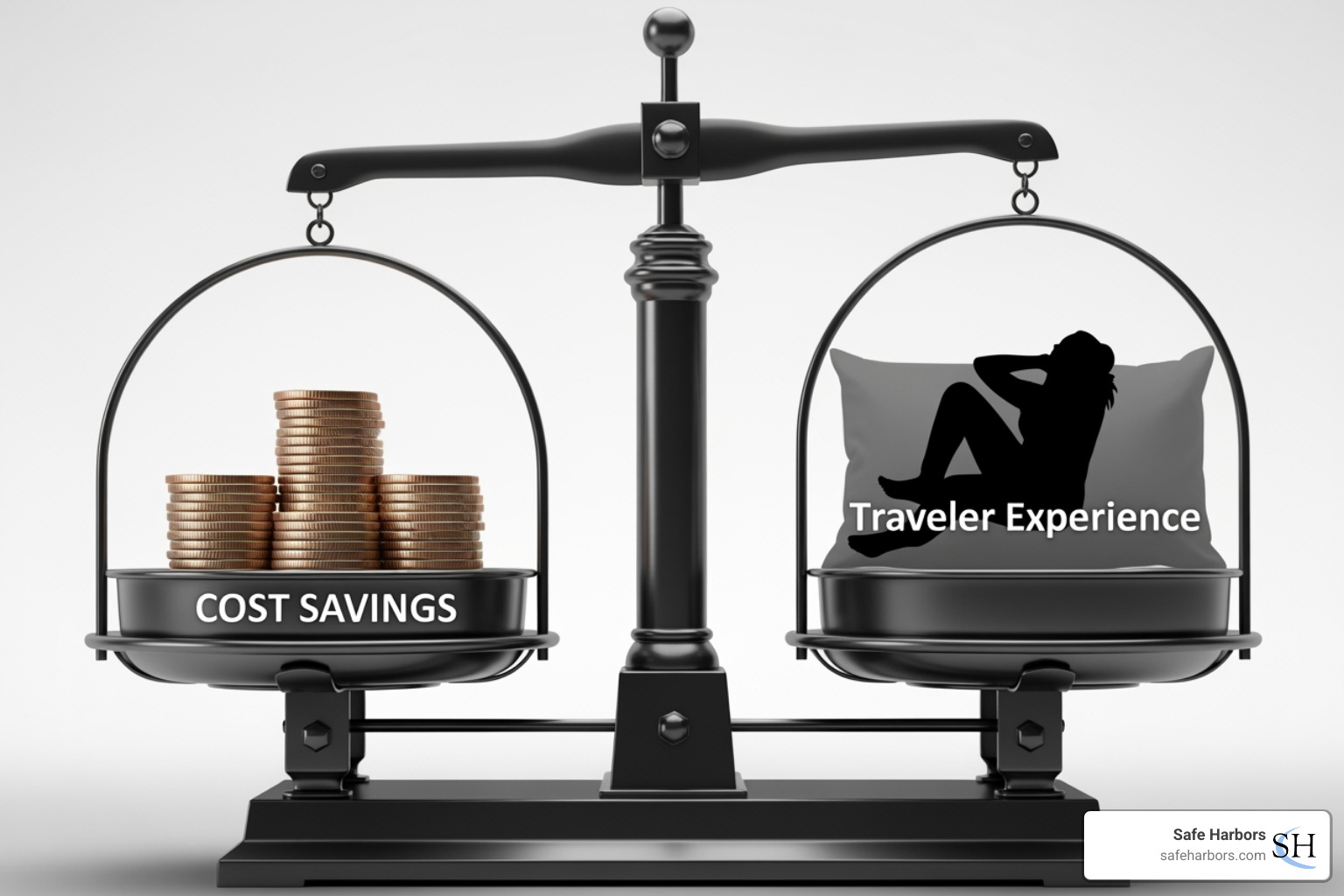
Balance scale with Cost Savings and Traveler Experience - optimize business travel spend

Successfully optimizing business travel spend isn't just about slashing costs. It's about finding the sweet spot where financial responsibility, policy compliance, and employee well-being coexist. Pushing too hard on one side harms the others. Aggressive cost-cutting leads to unhappy travelers, while ignoring compliance causes spending to spiral. This balancing act is complex, but it's where the real magic happens.

Encouraging Cost-Conscious Behavior Without Sacrificing Morale

We need employees to be smart about spending without feeling micromanaged. This is the business travel manager's dilemma: keeping finance and your travelers happy. The secret is creating a culture of understanding.

Clear communication about why policies exist turns a restrictive rulebook into a shared goal. Training and education on booking tools and expense guidelines empower employees to make informed, in-policy decisions. Some companies also find success with incentivizing compliance through small rewards, recognition, or even gamification.

Overly strict policies create traveler friction, leading to lost productivity and employee dissatisfaction. A sobering reality is that a majority of business travelers admit to deviating from company policies, telling us that policies alone aren't enough. We need user-friendly booking tools and responsive support to create an environment where travelers feel supported, not policed. At Safe Harbors, our flexible tools and fast support are designed to reduce this friction and improve compliance naturally.

The corporate travel world is always evolving. Staying ahead of these shifts is essential to optimize business travel spend.

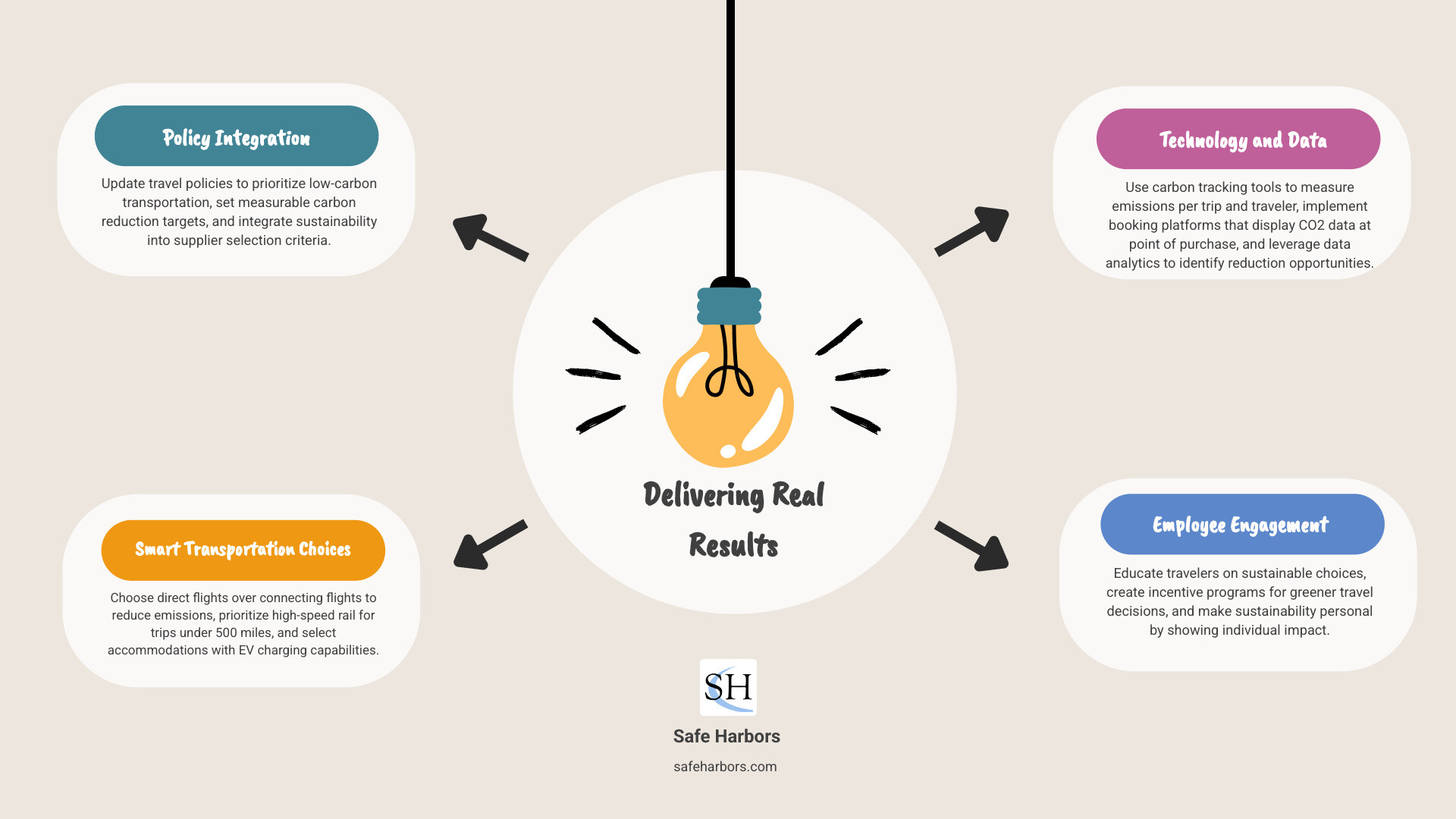
  • Sustainability: Environmental impact now plays a major role. In fact, 61% of travel decision-makers said their organization encourages travelers to book sustainable options. Policies are shifting to favor rail over short-haul flights, and many travelers would even decline a trip if sustainable options aren't available. Our platforms help track carbon emissions and guide travelers toward greener choices.
  • Bleisure Travel: The line between business and leisure has blurred. As leisure travelers are taking longer vacations compared to pre-Covid trends, employees are extending business trips for personal time. Smart companies are creating "bleisure" policies that allow this flexibility while clearly defining which expenses are covered.
  • Duty of Care Technology: Employee safety is a non-negotiable obligation. With 58% of employees admitting they've changed travel plans due to safety concerns, advanced duty of care technology is crucial. It allows for real-time traveler tracking, risk alerts, and emergency support. Our concierge management with duty of care ensures every traveler is looked after 24/7.
  • Dynamic Pricing Pressure: Suppliers use algorithms that change rates constantly. 50% of travel managers say they're seeing significant pricing pressure, making it harder to predict costs. A dedicated partner with the right technology can monitor these fluctuations and secure the best available prices.

Frequently Asked Questions about Optimizing Travel Spend

How can a small business start optimizing its travel spend?

Even small businesses can make a real difference in their travel spend without complex systems.

  • Start with a simple travel policy. Outline the basics: how to book, spending limits for hotels and meals, and preferred vendors. Clarity drives compliance.
  • Encourage booking in advance. This single habit can save thousands. According to industry reports, booking flights 28 days in advance can save up to 24%. Make it a standard practice.
  • Use a dedicated business credit card. This simplifies expense tracking and often comes with travel rewards that can offset future costs.
  • Track everything. You can't improve what you don't measure. Even a simple spreadsheet will reveal patterns and insights that lead to smarter spending.

What is the single most effective way to reduce business travel costs?

While there's no magic bullet, one strategy consistently delivers the biggest impact: implementing and enforcing a mandatory advanced booking policy.

This is powerful because it directly tackles your largest expenses—airfare and hotels—where timing dramatically affects price. A flight booked weeks out can cost half as much as one booked days before departure. An advanced booking policy is straightforward to implement and enforce through booking systems, paying immediate dividends. Our data-driven insights can help you pinpoint the optimal booking windows for your most frequent routes to maximize savings.

How does Safe Harbors help optimize spend?

Think of Safe Harbors as your expert partner, bringing three powerful advantages to optimize business travel spend.

First, we provide access to our global network of negotiated rates. Through our buying power and industry relationships, we secure prices that are often significantly lower than what's publicly available.

Second, our technology makes everything easier. Our flexible booking tools guide employees to compliant options naturally. Our automated expense management system reduces time spent on receipts and paperwork. Policy enforcement happens seamlessly, without policing your team.

Third, you get our people. Our expert team offers concierge management and proactive guidance, analyzing your data to identify savings opportunities. With our best response speed and comprehensive white-glove service, including duty of care, your travelers are supported 24/7.

The bottom line? Companies working with us see measurable reductions in travel spend while improving the traveler experience.

Conclusion

Optimizing business travel spend isn't about penny-pinching; it's about investing smartly in your business's growth while running an efficient, compliant, and humane travel program. By building a solid foundation with clear policies, using proactive cost controls, and leveraging technology, you can transform travel from a cost center into a strategic asset.

However, the corporate travel landscape is constantly shifting. Sustainability, bleisure travel, and dynamic pricing are reshaping the industry. Navigating these changes while controlling costs and keeping travelers happy requires agility and expertise.

This is where the right partner makes all the difference. At Safe Harbors, we live and breathe this. Our best response speed means you're never left hanging. Our flexible booking tools, powered by elite tech partnerships, make compliance easy. And our comprehensive white-glove service—including concierge management with duty of care—ensures your travelers are supported every step of the way.

You're not just getting a vendor; you're gaining a dedicated partner invested in your success. We're committed to helping you continuously improve your travel program.

Ready to transform how your company approaches business travel? Partner with an expert in Business Travel Services and find what's possible when you have the right team in your corner.

Your Compass for Corporate Travel: Navigating Seamless Trip Management

Understanding Corporate Trip Management

Business traveler - Corporate trip management

Corporate trip management is the process of overseeing and optimizing employee travel for business purposes. While it can be an administrative headache, smart management turns this expense into a powerful investment.

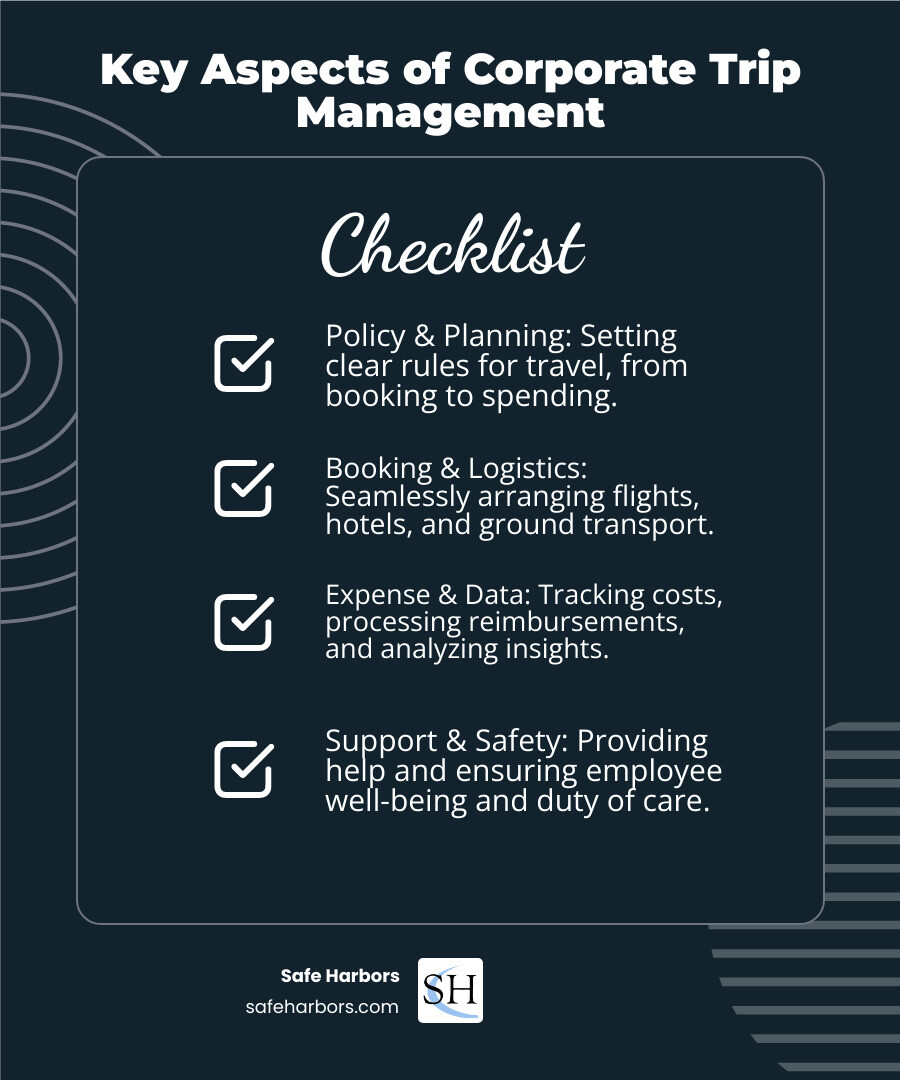
Efficiently managing your company's travel generally involves:

  • Policy & Planning: Setting clear rules for travel, from booking to spending.
  • Booking & Logistics: Arranging flights, hotels, and ground transport seamlessly.
  • Expense Management: Tracking costs, processing reimbursements, and spotting savings.
  • Traveler Support: Providing help and ensuring safety for employees on the road.
  • Data & Insights: Analyzing travel data to make better decisions and improve programs.

The global business travel market is set to reach a staggering $829.5 billion by 2027, showing just how vital it is for connecting people and growing companies.

Crucially, for every dollar invested in business travel, companies can earn $12.50 or more in new revenue. This makes it clear that managing business travel isn't just about cutting costs—it's about enabling growth.

This guide will show you how to streamline processes, keep travelers safe, and get the best value from every business trip.

Infographic detailing the key aspects of corporate trip management: Policy, Booking, Expense, Support, Data, and Duty of Care - Corporate trip management infographic checklist-dark-blue

What is Corporate Travel Management and Why is it Crucial?

Corporate travel management is the strategic oversight of your company's business trips. It’s a comprehensive approach to ensure every travel activity is cost-effective, efficient, and prioritizes the well-being of your team. This is often handled by a dedicated partner, like a Travel Management Company (TMC) such as Safe Harbors.

Why is this crucial? Business travel is a powerful investment in growth, collaboration, and market expansion. When managed thoughtfully, it becomes a strategic advantage that boosts your bottom line.

Here's why:

  • Cost Control: A smart program helps secure better rates, set clear spending limits, and track every dollar for a healthier budget.
  • Efficiency: Streamlined processes for booking, approvals, and expense reports save time, allowing employees to focus on core responsibilities.
  • Traveler Safety and Well-being: Ensuring employee safety on the road is a moral and legal responsibility. Effective management includes risk assessments, real-time support, and emergency plans.
  • Compliance: A well-defined program ensures all travel adheres to company guidelines and external regulations, minimizing risk.
  • Strategic Growth: Strategically managed travel is a tool for achieving business goals, whether it's closing deals, fostering innovation, or expanding into new markets.

Effective corporate trip management turns a potentially chaotic expense into a smooth, strategic operation. Learn more in our guide on 5 More Benefits of Corporate Travel Management.

Diverse team collaborating during a business trip - Corporate trip management

The Core Components of Effective Corporate Trip Management

An effective corporate trip management program is a system where each part works in harmony. Here are the core components:

  • Travel Policy Development: The foundation of your program, providing clear guidelines on booking, preferred vendors, expense limits, and approvals.
  • Pre-trip Approval Workflows: A structured process to ensure travel is necessary, budgeted, and aligned with company goals, controlling costs and risk.
  • Booking and Reservations: Easy-to-use booking tools, like those from our elite tech partnerships, provide a seamless experience for self-booking or our concierge service.
  • Expense Management and Reimbursement: Automated systems for tracking, submitting, and reimbursing travel expenses efficiently, reducing errors and saving time.
  • Risk Management and Duty of Care: Our top priority is traveler safety, involving risk assessments, traveler support, and robust emergency plans.
  • Data Analysis and Reporting: We collect and analyze travel data to monitor spending, identify trends, and uncover savings opportunities for smarter decisions.
  • Vendor Negotiation and Relationships: Strong ties with travel providers allow us to negotiate special rates and exclusive deals, maximizing your travel budget.

This structured approach is fundamental to success, as outlined in our Your 6-Step Guide to Making the Move to Managed Travel.

The Power of a Formal Business Travel Policy

A formal business travel policy is a strategic document that benefits both the company and its employees. Without one, travel can lead to inflated expenses and administrative headaches.

Here’s why a clear policy is a game-changer:

It delivers significant Cost Savings. By stating preferred vendors, setting spending limits, and encouraging early bookings, you can dramatically reduce travel costs.

It ensures smooth Policy Compliance. A clear policy reduces out-of-policy bookings and simplifies the auditing process for your finance team.

It boosts Employee Satisfaction and Clarity. When expectations are clear, your team feels more confident and less stressed about booking and expensing trips, removing guesswork.

It offers Legal Protection. A policy that includes duty of care provisions helps you meet your legal obligations to protect employees while they travel for work.

Finally, it promotes Fairness and Equity. A consistent policy ensures all employees are treated fairly, building trust and morale across the organization.

A well-defined policy empowers employees to make smart choices and simplifies processes for everyone. For more insights, check out our Business Travel Policy resources and learn How to Update Your Travel Policy to Fit Your Corporate Culture.

Overcoming Problems in Corporate Trip Management

Managing your company's business travel can be complex, with challenges like surprise expenses and tricky bookings. However, these issues in corporate trip management are opportunities to make your program smoother, smarter, and more cost-effective.

Travel manager looking at a complex dashboard with a look of control - Corporate trip management

Common headaches often stem from scattered booking systems, unclear policies, or a lack of traveler support. By identifying the root causes, we can implement clever solutions and help you avoid the pitfalls we discuss in our guide on Nightmares of Corporate Travel and How to Avoid Them.

Common Challenges and How to Solve Them

Let's tackle the most common bumps in the road for corporate trip management and explore how to smooth them out.

A major challenge is decentralized booking, where employees book travel across various websites. This leads to missed savings, fragmented data, and a lack of oversight. The solution is to centralize bookings through one platform or a trusted travel management company (TMC). This consolidates data, open ups better rates, and ensures policy adherence. Our flexible booking tools at Safe Harbors provide a seamless, one-stop shop for all travel needs.

Another hurdle is low policy compliance. Employees may not follow the travel policy if it's unclear or inconvenient, leading to unexpected costs. The fix is to create clear, accessible policies and use automated pre-trip approval systems. User-friendly booking tools that guide employees toward compliant choices are also key. If you're struggling with buy-in, our article on 7 Signs Your Employees Aren't Buying Into Your Travel Policies offers great insights.

Inaccurate expense reporting is a common headache, causing errors and delays. The smart move is to adopt automated expense management solutions. Integrating these tools with booking systems enables real-time tracking, digital receipt capture, and automated reconciliation, which speeds up reimbursements and reduces mistakes.

Finally, traveler dissatisfaction can lower morale and productivity. Unhappy travelers may struggle with clunky tools or feel unsupported. The solution is to prioritize their experience with user-friendly booking platforms, 24/7 support, and robust duty of care plans. Our concierge management at Safe Harbors delivers this white-glove service, because happy, safe travelers are productive travelers.

If you're weighing your options for managing these challenges, our piece on The Pros and Cons of Outsourcing Travel Management is a great place to start.

7 Proven Ways to Reduce Business Travel Costs

Keeping business travel costs in check is a top priority. The secret isn't cutting corners but being strategic with your spending. Here are 7 proven ways we help businesses save on corporate trip management:

  1. Negotiated Rates: Work with a TMC to access exclusive deals with airlines, hotels, and car rental companies that aren't available to the public.
  2. Advance Booking: Make it a policy to book flights and accommodations well in advance, as last-minute travel is almost always more expensive.
  3. Flexible Travel Dates: Encourage shifting a trip by a day or two to take advantage of lower fares, especially by avoiding peak travel days.
  4. Consolidating Trips: Combine multiple meetings in the same region into a single trip to save on transport and accommodation costs.
  5. Preferred Vendors: Establish a list of specific airlines, hotel chains, and car rental companies to concentrate your spending and negotiate deeper discounts.
  6. Expense Tracking and Auditing: Implement robust systems to get a clear picture of where travel dollars are going, spot out-of-policy spending, and identify optimization opportunities.
  7. Incentivizing Savings: Consider offering small rewards to employees who consistently choose cost-effective options, building a culture of smart spending.

By weaving these strategies into your program, you can achieve significant savings. For more guidance, see our insights in 7 Fundamental Ways Corporate Travel Management Saves Money and our tips on how to Reduce Business Travel Expenses.

The Modern Toolkit: Technology, Safety, and Sustainability

Successful corporate trip management today requires a modern toolkit that integrates technology, prioritizes traveler safety, and champions sustainability. This holistic approach ensures business travel is efficient, cost-effective, secure, and responsible.

Traveler using a mobile app to manage their itinerary - Corporate trip management

Technology streamlines processes, duty of care ensures your people's well-being, and sustainability addresses your environmental impact. Together, these pillars form the bedrock of forward-thinking travel management. At Safe Harbors, we continuously explore advancements in Technology, leveraging flexible booking tools and elite tech partnerships to deliver unparalleled service.

Leveraging Technology to Streamline Operations

In corporate trip management, technology is the engine of efficiency and innovation. The right tools transform complex processes into seamless workflows.

Here's how technology streamlines operations:

Online Booking Tools (OBTs) empower employees to book their own travel within company policy. Our flexible booking tools, powered by elite tech partnerships, make booking quick and compliant.

Mobile Apps are essential for the modern traveler. They provide real-time itinerary updates, 24/7 support access, and on-the-go expense reporting, acting as a personal travel assistant.

AI-Powered Insights are revolutionizing travel data analysis. AI can identify cost-saving opportunities, predict travel patterns, and personalize recommendations to optimize savings.

Automated Expense Reporting eliminates paper receipts. These systems allow travelers to capture receipts digitally and submit reports with ease, reducing manual errors and speeding up reimbursement.

Centralized Dashboards provide a real-time overview of all travel activity, spend, and policy compliance, offering control without compromising traveler flexibility.

Integrating these solutions simplifies the travel process and provides the oversight needed to optimize your program, helping you Skyrocket Corporate Productivity With a TMC.

The Critical Role of Duty of Care and Traveler Safety

In corporate trip management, duty of care is a profound legal and moral obligation to protect employees from foreseeable harm while they travel for work.

This commitment involves several critical components:

  • Risk Assessment: We proactively assess potential risks at the destination, including political instability, health concerns, and natural disasters.
  • Traveler Tracking: Real-time tracking is crucial for rapid response in an emergency, enabling immediate communication if an incident occurs.
  • 24/7 Support: Our concierge management service ensures travelers have round-the-clock assistance for re-bookings, medical emergencies, or other challenges.
  • Emergency Response Plans: We have pre-defined plans for various scenarios, including communication strategies and evacuation procedures.
  • Pre-trip Information and Alerts: We equip travelers with essential destination information and provide real-time alerts about evolving situations during their trip.

Our dedication to duty of care is central to our white-glove service. A secure traveler is a productive traveler. Learn more about our Travel Risk Management services and The Compelling Security Benefits of Corporate Travel Management.

Ensuring Sustainability in Your Travel Program

Corporate trip management carries an environmental footprint, and ensuring sustainability is a growing imperative. We believe in making conscious choices to minimize our impact.

Here's how we approach sustainability in corporate travel:

  • Carbon Footprint Monitoring: We use tools to report on carbon emissions from business travel, providing a clear picture of our impact and identifying areas for improvement.
  • Eco-Friendly Travel Options: We encourage and prioritize options like direct flights, economy class travel, and choosing trains over short-haul flights where feasible.
  • Carbon Offsetting: For unavoidable emissions, we facilitate carbon offsetting programs that invest in projects to reduce greenhouse gases elsewhere.
  • Green Travel Policies: We integrate sustainability into travel guidelines, such as setting emission reduction targets or encouraging virtual meetings.
  • Regulatory Compliance: We stay informed and comply with evolving environmental regulations, like the EU's sustainability reporting directive.

By focusing on these practices, we aim to make business travel not just efficient and safe, but also environmentally responsible.

Measuring Success and Looking to the Future

Once your corporate trip management program is in place, the next step is to measure its success and prepare for the future. This means understanding your return on investment (ROI) and keeping an eye on emerging industry trends.

Travel manager analyzing data on a laptop - Corporate trip management

Measuring success confirms your strategies are working and highlights areas for improvement. Looking ahead ensures your program remains flexible and competitive. This forward-thinking approach is key to navigating the News and Trends in Corporate Travel: Managing World Troubles to Transparent Travel Data.

How to Measure the ROI of Your Travel Program

Calculating the ROI of your corporate trip management program goes beyond cost savings; it's about understanding the broader business impact. Here’s how to see the full value:

  • Cost-per-Trip Analysis: Analyze the average cost of different trip types to understand spending patterns and find savings opportunities, including both direct and indirect costs.
  • Policy Compliance Rates: High compliance indicates your policies are clear and effective. Tracking this metric helps control costs, as non-compliant bookings are often more expensive.
  • Traveler Satisfaction Surveys: Happy travelers are more productive. Regularly survey employees on their experience with the booking process and support to gauge satisfaction and boost morale.
  • Business Outcomes: Connect travel to key business goals. Did a sales trip land a new client? Did a conference lead to a new partnership? Positive outcomes are a clear sign of strong ROI.
  • Time Savings: Calculate the hours saved by travelers and administrative staff due to streamlined booking, approval, and expense reporting processes. These efficiency gains contribute directly to your ROI.

By tracking these metrics, you can demonstrate the true worth of your travel program. It's a balancing act we explore in The Business Travel Manager's Dilemma: Keeping Finance and Your Travelers Happy.

The world of business travel is constantly evolving. Staying ahead of these key trends is vital for excellent corporate trip management.

  • Artificial Intelligence (AI): AI will deliver personalized booking suggestions, identify savings, and provide proactive travel alerts, making travel smarter and more intuitive.
  • New Distribution Capability (NDC): This airline data standard provides travel platforms with more direct and flexible flight options, leading to more choices and potentially better deals.
  • The Rise of 'Bleisure' Travel: More employees are extending business trips for personal leisure. Travel programs must be flexible enough to support this trend while keeping business expenses within policy. Learn more about Enjoying Your Business Travel: The Rising Tide of Bleisure.
  • Hyper-Personalization: Using data, travel experiences will become highly customized to individual preferences, loyalty programs, and travel history, all within company policy.
  • Focus on Traveler Well-being: Companies are expanding their focus beyond safety to include the overall health of their travelers, supporting mental health, fitness, and comfort on the road.
  • Sustainability as a Core Metric: Environmental impact will become a key performance indicator. Programs will regularly track carbon footprints, promote greener travel options, and use carbon offsetting as standard practice.

These trends show a shift toward smarter, more traveler-centric, and responsible corporate trip management.

Frequently Asked Questions about Corporate Trip Management

Here are answers to some of the most common questions about making business travel smooth and successful.

What is the difference between a travel agent and a corporate travel management company?

A traditional travel agent typically focuses on booking individual trips. A corporate travel management company (TMC) like Safe Harbors provides a comprehensive, strategic program to optimize all of a company's travel. This includes creating travel policies, negotiating vendor rates, managing risks, analyzing data for insights, and providing 24/7 traveler support. The goal is to turn travel spend into a strategic investment while ensuring employee safety.

How can a small business benefit from corporate travel management?

Small businesses benefit significantly from corporate travel management. A TMC provides access to negotiated rates and discounts for flights, hotels, and car rentals that are usually reserved for large corporations, leading to immediate savings. It also saves valuable administrative time by handling bookings and logistics, and it ensures employee safety through robust duty of care protocols. A TMC offers a professional, scalable framework that supports a small business as it grows.

What is "duty of care" in business travel?

"Duty of care" is a company's legal and moral obligation to protect its employees from foreseeable harm while they are traveling for work. It means ensuring their safety and well-being throughout their journey. This involves conducting pre-trip risk assessments, providing real-time alerts about developing situations, offering 24/7 emergency assistance, and having clear safety protocols in place. Our concierge management is designed to deliver on this promise, giving you peace of mind. For more details, refer to Why Implementing a Travel Risk Plan for Employees is Crucial.

Conclusion

Effective corporate trip management doesn't have to be a source of headaches or uncontrolled spending. By adopting a strategic approach, you can transform business travel into a powerful engine for growth and a boost to employee well-being.

The solution lies in weaving together key ingredients: clear policies, cutting-edge technology, a steadfast commitment to duty of care, and a focus on sustainability. When these elements work in harmony, the benefits are clear: significant cost savings, improved efficiency, and a safer, more satisfying experience for your traveling workforce.

A well-managed travel program is a competitive advantage. It empowers employees, strengthens your financial health, and aligns with your company's values. By focusing on policy, technology, and safety, you can transform travel from a simple expense into a strategic investment.

At Safe Harbors, we live this philosophy. We deliver global business travel solutions with an best response speed and comprehensive white-glove service. Our fast response support, flexible booking tools powered by elite tech partnerships, and dedicated concierge management with duty of care are all designed to make your corporate trip management experience seamless and effective.

Ready to optimize your travel strategy? We invite you to explore our comprehensive business travel services.

Beyond the Carbon Footprint: Sustainable Business Travel Solutions

Why Sustainable Business Travel Solutions Matter More Than Ever

sustainable business travel solutions - Sustainable business travel solutions

Sustainable business travel solutions are becoming essential as companies face mounting pressure to reduce their environmental impact while maintaining operational efficiency. As one industry expert noted, "For years, sustainability was a topic that many organizations discussed, but few did much about. Today, discussion and good intentions are not enough."

Here are the core components of sustainable business travel that deliver real results:

1. Policy Integration

  • Update travel policies to prioritize low-carbon transportation
  • Set measurable carbon reduction targets
  • Integrate sustainability into supplier selection criteria

2. Smart Transportation Choices

  • Choose direct flights over connecting flights to reduce emissions
  • Prioritize high-speed rail for trips under 500 miles
  • Select accommodations with EV charging capabilities

3. Technology and Data

  • Use carbon tracking tools to measure emissions per trip and traveler
  • Implement booking platforms that display CO2 data at point of purchase
  • Leverage data analytics to identify reduction opportunities

4. Employee Engagement

  • Educate travelers on sustainable choices
  • Create incentive programs for greener travel decisions
  • Make sustainability personal by showing individual impact

The business case is compelling. Research shows that 97% of corporate travelers would increase journey time if it significantly reduced environmental impact, while 80% of business travelers are more inclined to work for an organization with a sustainability policy.

What's particularly encouraging is that sustainable choices often cost less. In 9 out of 10 cases, the greener option is at least 30% cheaper than traditional alternatives.

Travel and mobility can represent up to 26% of a company's greenhouse gas emissions, making business travel a critical area for environmental impact reduction. But sustainable travel isn't just about carbon - it encompasses social and economic impacts on local communities, traveler well-being, and long-term business resilience.

Infographic showing the three pillars of sustainable business travel: Reduce emissions through smart transportation choices and policy changes, Replace high-carbon options with greener alternatives like rail and electric vehicles, and Offset unavoidable emissions through verified carbon programs and sustainable aviation fuel certificates - Sustainable business travel solutions infographic brainstorm-4-items

Building the Foundation: Crafting a Sustainable Travel Policy

A sustainable travel policy is the foundation for your sustainable business travel solutions, turning your company's environmental, social, and governance (ESG) goals into measurable action. A strong policy sends a clear message about your dedication to employees, partners, and the planet. It should set achievable goals, such as specific carbon reduction targets or carbon budgets for teams and projects. It's also crucial to select suppliers who share your green values and to clearly communicate the policy and its importance to all employees. This fosters a culture of shared responsibility. With 69% of travel managers already updating their policies for sustainability, it's a critical step. At Safe Harbors, our concierge management approach ensures your policies are not just documented, but are understood and implemented with care. We can't stress enough the importance of a clear Travel Policy.

A person writing a policy document with green-themed icons - Sustainable business travel solutions

How to Update Your Travel Policy for Sustainability

Ready to make your travel policy greener? Here are some simple steps to get started.

First, let's prioritize green suppliers. Choose airlines, hotels, and transport companies with proven environmental commitments. Vet them on energy use, waste management, and community support.

Next, we should mandate or strongly encourage lower-carbon transport. For trips under 500 miles, prioritize high-speed rail. For ground travel, encourage electric vehicles (EVs). When flying is necessary, mandate direct flights to reduce emissions from takeoffs and landings, and support the use of Sustainable Aviation Fuel (SAF) certificates.

Third, your policy needs to set clear guidelines for accommodation. Encourage booking hotels with recognized eco-certifications. Prioritize properties that use renewable energy, conserve water, and offer amenities like EV charging stations.

Finally, don't forget to integrate data tracking requirements. This is essential for monitoring progress, identifying improvement areas, and ensuring transparency. These updates not only boost sustainability but can also help you Save Money.

The Benefits of a Strong Sustainable Travel Program

A strong sustainable travel program is a smart business strategy, offering benefits that impact your finances and brand.

Greener choices often lead to significant cost savings. Opting for fuel-efficient transport, virtual meetings, and energy-saving hotels can reduce expenses. These savings can be reinvested into other green initiatives or employee benefits.

Beyond saving money, a commitment to sustainability improves your brand reputation, as customers and partners prefer to work with environmentally conscious companies. It's also key for attracting and retaining talent, with 80% of business travelers preferring to work for a company with a strong sustainability policy and 67% citing sustainability as important when choosing an employer.

A sustainable travel program also helps with regulatory compliance for frameworks like ESG and CSRD. It boosts employee satisfaction by allowing travelers to make choices that align with their personal values, contributing to their well-being. Find More Benefits of Corporate Travel Management.

Smarter & Greener Journeys: Eco-Friendly Transportation and Accommodation

The choices of how we travel and where we stay are critical for impactful sustainable business travel solutions. It's about moving through the world with a lighter footprint, and greener options are becoming more accessible. At Safe Harbors, our flexible booking tools and elite tech partnerships make selecting these choices seamless.

For shorter distances, high-speed rail has far lower CO2 emissions than air travel. For ground transport, the growth of Electric Vehicles (EVs) is a game-changer, with ride-sharing and rental companies expanding their EV fleets. In response, hotels are rapidly adding charging stations; for instance, Hilton plans to add 20,000 EV chargers and IHG Hotels & Resorts already has over 1,100 hotels equipped.

For necessary air travel, smarter choices can still be made. Opting for direct flights significantly reduces emissions by avoiding fuel-intensive takeoffs and landings. Another powerful strategy is supporting airlines that invest in Sustainable Aviation Fuel (SAF) certificates. These decisions help meet environmental commitments and can contribute to Reducing Business Travel Expenses in the long run.

A high-speed train moving through a green landscape - Sustainable business travel solutions

Choosing the Most Effective Eco-Friendly Transportation

Selecting eco-friendly transport involves looking at distance, urgency, and available options. We encourage travelers to choose rail over air whenever feasible. High-speed rail has a much lower carbon footprint than short-haul flights. For local travel, ride-sharing services with EV options and public transportation are great choices. If a rental car is necessary, choose an electric or hybrid vehicle. Planning sustainable travel is also getting easier, with integrations like Amtrak's with Google for sustainable choices making a difference.

Table comparing CO2 emissions, cost, and time for different transport modes (e.g., Flight vs. High-Speed Rail vs. EV) for a 300-mile trip - Sustainable business travel solutions infographic cause_effect_text

While the exact numbers can vary based on specific routes, vehicle models, and energy sources, this table clearly shows how choosing wisely can make a big difference for both our carbon footprint and our budget. Our elite tech partnerships seamlessly integrate these options directly into our booking tools, making it simple for travelers to compare and select the most sustainable choice.

How to Select Sustainable Accommodations

Our commitment to sustainable business travel solutions extends to accommodations. Choosing sustainable hotels is a key part of reducing our overall environmental impact.

We guide travelers to look for hotels with recognized eco-certifications like LEED, Green Key, or EarthCheck. These signal that a property meets strict environmental standards for energy, water, waste, and procurement.

Beyond certifications, we encourage asking suppliers about their policies on food waste reduction or water reuse initiatives. Many hotels now use innovative solutions like green roof technology or comprehensive recycling programs, going beyond simply asking guests to reuse towels.

A growing consideration is the availability of EV charging. We prioritize properties that offer this amenity, as it improves the traveler experience and signals a forward-thinking, green establishment. The Global Business Travel Association (GBTA) offers a helpful guide for selecting hotel suppliers based on sustainability criteria.

The Tech Advantage: Data-Driven Sustainable Business Travel Solutions

Technology is a superpower for making real strides in sustainable business travel solutions. It provides the clarity, control, and insights needed to turn environmental goals into measurable results. At Safe Harbors, our elite tech partnerships offer sophisticated tools to achieve this.

At the heart of this is robust carbon tracking. Advanced tools like Clarasight allow us to pinpoint the carbon footprint of every trip and traveler, broken down by service type and fare class. This detailed data is powerful. Imagine a booking tool showing CO2 emissions for each flight option before booking, or a plug-in like eco.mio that highlights CO2 savings and suggests greener choices. This transparency empowers travelers to make informed, eco-conscious decisions.

Data analytics takes this a step further. With AI-powered insights, we can spot trends, predict impacts, and uncover hidden opportunities for emission reductions. For example, Clarasight helps simulate how different business decisions impact both cost and carbon, making financial and environmental goals equal partners in decision-making. We can also use strategies like nudging behavior and gamification—such as peer comparisons or rewards for greener choices—to make sustainability an engaging, collective effort. This tech helps clients achieve green goals and boost productivity.

The Role of Travel Management Companies (TMCs) in Sustainability

As a corporate travel management company, we are your dedicated partner in driving sustainable business travel solutions. We bridge the gap between your sustainability goals and their practical implementation. Our promise of best response speed and white-glove service means we offer personalized, expert guidance.

First, we provide access to a curated network of sustainable options. Through our negotiated rates with green suppliers, we connect you with airlines using Sustainable Aviation Fuel (SAF), eco-certified hotels, and ground transport with electric vehicle (EV) fleets. Our booking tools make selecting these options simple.

Our expertise in data analysis and reporting is also a game-changer. We provide detailed carbon footprint reports, breaking down emissions by traveler, trip, and service type. This data, which can include complex calculations like Radiative Forcing, is crucial for understanding your impact and identifying reduction opportunities. We also assist with policy enforcement and seamlessly integrate duty of care with sustainable practices, ensuring traveler safety is never compromised. When choosing a partner, consider the Factors for choosing the right Travel Management Partner.

How to Measure and Report on Your Sustainable Travel Initiatives

Effective measurement and reporting are essential for a successful sustainable business travel solutions strategy. It's about turning good intentions into verifiable progress.

We focus on key metrics, such as CO2 emissions per trip and per traveler, to spot trends and understand the impact of your policies. A large portion of these are Scope 3 emissions—indirect emissions from your value chain—and understanding them helps prioritize reduction efforts.

We leverage reporting frameworks like ESG (Environmental, Social, and Governance) and CSRD (Corporate Sustainability Reporting Directive) to ensure your data is robust and aligns with industry standards. Tools like Clarasight are invaluable here, offering carbon intelligence software that unifies data from travel, finance, HR, and sustainability. Clarasight helps forecast travel, simulate the cost and carbon impact of supplier choices, and track performance against budgets and goals. This is essential for using data to identify reduction opportunities.

Furthermore, partnerships with organizations like Trees4Travel allow us to not only calculate emissions but also actively contribute to climate justice through tree planting and renewable energy investments, offsetting unavoidable emissions.

Fostering a Culture of Sustainability: Engaging and Empowering Employees

Even the best policies and technology require active employee participation. Fostering a culture of sustainability is about engaging and empowering your team to make greener choices because they want to. This is the human element of sustainable business travel solutions.

This begins with clear employee education. We explain the "why" behind our sustainable travel policies, connecting individual actions to broader corporate responsibility goals and the positive impact on our planet. Sharing information, updates, and success stories is key.

Incentives and rewards are also powerful motivators. Research shows that nudging and incentivizing employees at the point of decision makes them more likely to choose greener options. This could involve celebrating employees who make sustainable choices or channeling savings into climate projects. Empowering your Business Travelers with knowledge and motivation is crucial.

It’s about making sustainability personal. When employees see their individual travel footprint and how their choices contribute to a larger positive impact, they become passionate advocates for sustainable travel.

A team collaborating on a sustainability initiative - Sustainable business travel solutions

Practical tips for your team's sustainable business travel solutions

To make sustainable travel a reality, we encourage our team to adopt a few simple yet powerful practical tips. First up, always try to pack light. Less weight means less fuel consumption. Next, use reusable water bottles to avoid single-use plastics.

When staying in hotels, simple actions add up. Remember to reduce energy use in hotels by turning off lights and air conditioning when you leave the room. Many hotels offer the option to opt-out of daily cleaning, which saves significant water and energy.

And let's not forget about going paperless. Always aim to choose digital documents for tickets and itineraries to reduce paper waste. Finally, when you're out and about, make it a point to support local businesses. Choosing local restaurants and shops enriches your experience and supports the local economy.

Encouraging Employees to Make Greener Choices

Beyond policies and tips, encouraging greener choices requires a more personal level of engagement. We achieve this by vividly showcasing individual impact. For example, certain travel apps can show employees their personal carbon footprint and offer options for offsetting it. Platforms like Trees4Travel allow travelers to easily calculate the carbon cost of their trips and contribute to vital reforestation or renewable energy projects.

A little friendly peer comparison can be an effective motivator, creating a positive ripple effect. We also believe in rewarding sustainable choices through recognition programs or gamified challenges to reinforce desired behaviors.

Finally, linking sustainability to employee well-being is vital. Sustainable travel can mean less stressful journeys (like high-speed rail instead of airport lines), and a company's commitment to the environment often reflects an employee's personal values. This holistic approach helps with Keeping Finance and Your Travelers Happy.

Frequently Asked Questions about Sustainable Business Travel

You might be wondering about the practicalities of making your company's travel greener. These are some of the most common questions we hear, and we're happy to shed some light on how sustainable business travel solutions can work for you.

What is the most impactful first step to create a sustainable travel program?

The most impactful first step is to understand your starting point by measuring your current impact. By working with a travel management company like Safe Harbors or using carbon tracking tools, you can establish a clear baseline carbon footprint. This foundational data allows you to set realistic reduction targets and craft an effective, data-driven policy to guide your sustainable business travel solutions forward.

Are sustainable business travel options always more expensive?

This is a common misconception. Sustainable business travel solutions are not always more expensive; in fact, the greener option is often more cost-effective. Choosing high-speed rail over a short flight or opting for direct flights can reduce both emissions and costs. A well-managed, sustainability-focused travel program often leads to significant overall savings for your organization.

How can we handle unavoidable travel emissions?

Since some travel emissions are unavoidable, the key is to address them responsibly. For these essential journeys, you can mitigate the impact by investing in high-quality carbon offsetting programs. These support verified projects like reforestation or renewable energy. Another option, particularly for air travel, is purchasing Sustainable Aviation Fuel (SAF) certificates. These investments help accelerate the use of cleaner fuels, balancing the environmental impact of your necessary travel.

Conclusion

Exploring sustainable business travel solutions reveals a clear path forward. This isn't a fleeting trend but a vital process of continuous improvement, driven by a powerful combination of smart strategy, innovative technology, and engaged people.

Embracing sustainability is a strategic advantage. It leads to significant cost savings, an improved brand reputation, and an improved ability to attract and retain top talent. It also makes employees happier and more engaged—a true win-win.

The future of sustainable travel is bright, with growth in greener ground transport, eco-friendly flights, and sustainable hotels. Innovations like AI-driven insights and integrated data platforms will make it easier than ever to track, manage, and reduce our environmental footprint.

Getting there requires intentional steps: aligning travel policies with sustainability goals, making smarter choices, leveraging data-driven technology, and fostering a culture of empowerment. By working together, we can shape the future of business travel.

At Safe Harbors, we are passionate about helping you steer this exciting landscape. Our unique concierge management approach, elite tech partnerships, and best response speed position us to help you build a world-class sustainable travel program. Let us help you achieve your business goals and environmental commitments, making every journey a positive step towards a sustainable future. Find our Concierge Travel Service today and let's start this journey together!

Beyond Bookings: How Corporate Global Travel Technology Transforms Business Travel

What is Corporate Global Travel Technology?

business professional using a tablet to manage travel with a globe in the background - corporate global travel technology

Corporate global travel technology refers to the comprehensive suite of digital tools and platforms designed to manage, optimize, and streamline business travel operations worldwide.

Here's what this technology typically includes:

  • Online Booking Tools (OBTs): Platforms for employees to book flights, hotels, and ground transport within company policies.
  • Integrated Expense Management: Automates the tracking, submission, and approval of travel-related costs.
  • Traveler Risk Management: Provides real-time alerts, location tracking, and support for traveler safety.
  • Data Analytics & Reporting: Transforms travel spend and activity into actionable insights for cost savings and compliance.
  • Mobile Solutions: Offers travelers on-the-go access to itineraries, support, and self-service options.

It's the digital backbone that turns complex global business travel into a smoother, safer, and more cost-effective operation.

For corporate travel managers, this technology is vital. It directly addresses struggles like slow response times and disjointed booking systems. Even more, it strengthens duty of care, ensuring traveler safety no matter their location.

Business travel doesn't have to be a headache. This technology helps make it a strategic asset, enabling what Direct Travel calls "The Perfect Trip" – travel that's "so advanced, it's simple."

Infographic detailing the interconnected components of corporate global travel technology, including online booking, expense management, risk management, data analytics, and mobile solutions, illustrating how they work together for streamlined global business travel. - corporate global travel technology infographic mindmap-5-items

The Core Components of a Modern Global Travel Tech Stack

When we talk about corporate global travel technology, we're not just referring to a single piece of software, but rather a sophisticated ecosystem of interconnected tools. This integrated approach is what truly transforms business travel from a logistical chore into a strategic advantage. It's about bringing together all the moving parts of travel management onto a single, cohesive platform, or at least a set of platforms that communicate seamlessly.

At the heart of this tech stack are:

  • Online Booking Tools (OBTs): These are the portals where our travelers book their flights, hotels, and ground transportation. Modern OBTs are designed to be intuitive, offering a simple booking process complemented by handy tech and resources. They guide travelers to the best options within company policy, ensuring compliance from the get-go. For example, platforms like GetThere enable corporations to deliver an unbeatable online booking experience, controlling costs and driving compliance globally.
  • Integrated Travel & Expense (T&E) Management: This is where the magic of efficiency truly happens. Gone are the days of mountains of paper receipts and manual expense reports. Integrated platforms, like those offered by SAP Concur and Cytric, connect travel bookings directly with expense reporting. This allows for automated tracking, submission, and approval of travel-related costs, which can lead to significant savings. In fact, companies using such integrated systems have reported 21% savings in annual costs of travel bookings and expense reporting, and an impressive 70% savings in annual invoice processing costs. This integration simplifies spend management with oversight of cash flow and offers a frictionless digital experience for employees.
  • Mobile Applications: In today's always-on world, mobile solutions are non-negotiable. Our travelers need to manage their trips on the go, access itineraries, submit expenses, and receive real-time alerts from their smartphones. A robust mobile app allows for 24/7 access to support and self-service options, ensuring travelers never feel stranded. CTM's mobile app, for instance, supports travelers who book on the go.
  • Risk Management Platforms: Traveler safety is paramount. These platforms provide real-time alerts, location tracking, and critical support for duty of care. They help us manage and mitigate travel-related risks, ensuring we can protect our travelers and meet our legal obligations. CTM's Travel Risk Hub and Cytric's Duty of Care features are prime examples of this essential component.
  • Data Analytics Dashboards: This is where raw travel data transforms into actionable intelligence. These dashboards provide a comprehensive overview of travel spend, compliance rates, and traveler behavior. They allow us to turn travel and expense data into actionable insights, identify cost-saving opportunities, and continuously optimize our travel programs. With such visibility, companies have seen a 32% higher satisfaction with visibility into expense data.

The strength of a modern corporate global travel technology stack lies in its integration. Nobody connects expense, travel, and invoice on one platform like SAP Concur, for instance, showcasing the power of a unified system. At Safe Harbors, we leverage elite tech partnerships to provide flexible booking tools and ensure our clients benefit from these integrated solutions. It’s all about creating a seamless experience for everyone involved, from the traveler to the finance team.

a dashboard showing travel spend and compliance metrics - corporate global travel technology

Enhancing the Traveler Experience

For us, the traveler experience is at the core of what we do. After all, happy travelers are productive travelers. Corporate global travel technology plays a monumental role in making business trips not just manageable, but genuinely enjoyable.

One of the most significant ways technology improves the traveler experience is through personalization. Imagine a booking tool that understands your preferences, suggests your favorite airline, or remembers your dietary needs. Platforms like CTM and Cytric use big data to drive personalized experiences at every customer touchpoint, guiding travelers to the best options within policy while still offering choice. This custom approach makes booking simple and efficient.

Beyond booking, technology provides seamless experiences from start to finish. Mobile applications offer on-the-go itinerary management, allowing travelers to check flight statuses, hotel details, and ground transportation with ease. This reduces stress and empowers travelers to take control of their journey.

Crucially, modern tech ensures 24/7 support. Whether it's a delayed flight in the middle of the night or a last-minute change of plans, travelers need to know help is just a call or text away. Companies like Amex GBT Egencia, FCM, and Chase Travel Corporate Solutions emphasize their around-the-clock service, ensuring travelers never travel alone. Our concierge management and white-glove service are designed to provide this continuous, personalized support, ensuring an best response speed when it matters most.

Self-service options, enabled by user-friendly interfaces, further empower travelers. They can make changes, submit expenses, and access critical information without needing to call a travel manager for every little thing. This blend of intuitive tools and ever-present human support truly lifts the business travel experience. It frees up our travelers to focus on their objectives, rather than getting bogged down in logistics. And who knows, maybe they'll even find time to enjoy The 5 Best Airports in the World to Spend a Layover!

Streamlining for Travel Managers

While travelers enjoy the frictionless journey, corporate global travel technology is silently working wonders behind the scenes for travel managers. For us, streamlining operations and providing robust control are paramount.

Technology offers centralized control, giving travel managers a single, comprehensive view of their entire travel program. This means managing travel for hundreds or thousands of employees across the globe becomes far more manageable. Platforms like CTM's Business Travel Portal act as a central hub, allowing for consistent management regardless of traveler location.

Policy configuration is simplified and automated. Travel managers can set up intricate policy rules within the booking tools, ensuring that every booking adheres to company guidelines. This drives compliance and reduces the need for manual checks, saving countless hours. Pre-trip approval workflows, like those offered by CTM and Cytric, ensure that policies are enforced before any costs are incurred.

Supplier management becomes more strategic. With integrated data, travel managers can see which suppliers are being used, negotiate better rates, and optimize their partnerships for greater savings and efficiency. This leverages collective buying power, turning individual trips into a strategic advantage.

Perhaps one of the most transformative aspects for travel managers is reporting and analytics. Instead of sifting through spreadsheets, managers get intelligent analytics and consolidated global travel data. This allows for deep dives into spend patterns, identification of areas for cost reduction, and continuous program optimization. FCM emphasizes "data that influences," providing actionable insights from multiple data sources to help shape travel strategy.

Finally, technology provides critical duty of care oversight. Travel managers can track travelers' locations, receive real-time risk alerts, and quickly respond to emergencies. This isn't just about compliance; it's about genuinely caring for our traveling workforce. We understand that our Travel Managers are the unsung heroes of corporate travel, and our technology is designed to empower them with the tools they need to excel.

Strategic Control: How Corporate Global Travel Technology Drives Savings and Compliance

Here at Safe Harbors, we truly believe that effective corporate global travel technology isn't just about making things a little easier; it's a powerful engine for strategic control. Think of it as your secret weapon for driving significant cost savings and making sure everyone follows the rules. It transforms business travel from something that just costs money into a smart investment that delivers clear returns.

a piggy bank next to a compliance checklist icon - corporate global travel technology

When you strategically use these technologies, you get an amazing view of all your travel spending. This helps you spot ways to be more efficient and ensure policies are followed precisely. What's the result? A clear return on your investment, making it super clear why putting money into advanced travel management solutions is a smart move. For example, integrated platforms can dramatically cut processing costs and make people much happier with how transparent their spending data is. This kind of control and insight is absolutely essential for any business serious about getting the most out of its operations and boosting its bottom line. It's why we’re committed to providing comprehensive Business Travel Services that use all the power of modern technology.

Mastering Cost Control and Achieving ROI

Controlling costs and getting a great return on investment (ROI) is always on a business's mind. With corporate global travel technology, we can tackle these challenges better than ever before.

One of the biggest helpers here is automated expense reporting. Systems like SAP Concur and Cytric make the whole process smooth as silk, from snapping a picture of a receipt to getting reimbursed. This automation doesn't just save time (some reports say expenses are processed twice as fast!); it also vastly cuts down on human errors and takes a huge load off finance teams, letting them focus on bigger, more important tasks.

Beyond just processing costs, technology helps achieve big cost savings in many ways. These platforms offer clear pricing, make it easy to compare options, and guide travelers to the most budget-friendly choices that still fit company rules. This proactive approach helps avoid unnecessary spending right from the start.

Supplier negotiations also get a major upgrade. By pulling all your global travel data together, you get powerful insights into exactly how much you're spending with airlines, hotels, and car rental companies. This combined data gives you real leverage to negotiate better corporate rates and deals, turning every dollar spent into a more efficient investment. For instance, consolidating travel spending can significantly boost your power in supplier negotiations.

Plus, technology helps manage those sneaky costs, like unused ticket tracking. No more forgetting about those flight credits! Systems automatically keep tabs on and flag unused tickets, making sure these assets are considered and used for future trips. This prevents money from simply vanishing.

And finally, airfare forecasting tools use smart data analysis to predict the cheapest days to fly. This lets you book travel at just the right time, leading to significant savings without compromising your travel needs. The outcome? Real-world savings, like businesses seeing hundreds of thousands of dollars saved on air and hotel costs in just six months, all without cutting back on travel volume. This is how we help businesses Skyrocket Corporate Productivity with a TMC.

Automating Policy and Ensuring Duty of Care with corporate global travel technology

In the complicated world of global business travel, making sure policies are followed and, even more importantly, keeping travelers safe, are absolutely essential. Corporate global travel technology gives us the tools we need to automatically enforce policies and manage our duty of care responsibilities with confidence.

Pre-trip approvals are a core part of automating policies. Flexible approval steps, built right into the booking process, ensure that all travel plans are checked and approved before any tickets are issued. This stops out-of-policy bookings dead in their tracks and adds a crucial layer of control. Platforms offer flexible pre-trip approval capabilities, making sure things are compliant and efficient.

Beyond just approvals, integrated policy rules are woven directly into the online booking tools. This means travelers are automatically guided to options that match company guidelines, making compliance almost effortless. If someone tries to book something outside policy, the system flags it, asking for an explanation or a policy override. This ensures employees stick to the rules when booking business travel.

For duty of care, traveler tracking capabilities are incredibly valuable. In an emergency or crisis, knowing where our travelers are is absolutely critical. Technology allows for real-time tracking, giving you a clear picture of traveler locations around the world. This is backed up by real-time risk alerts. Whether it's a natural disaster, political unrest, or a health warning, these alerts notify both the traveler and the travel manager, allowing for immediate action. Many platforms are designed to provide safety and risk alerts all in one place.

Finally, compliance dashboards provide a big-picture view of how well policies are being followed across the entire organization, highlighting any areas that need attention. This helps us constantly fine-tune our Business Travel Policy and ensure our travelers are always safe and supported. Our dedication to duty of care means we do everything we can to protect our clients' most valuable assets – their people.

The Future is Now: Key Advancements Shaping Business Travel

The world of corporate global travel technology is always moving forward. What seemed like something from a sci-fi movie just a few years ago is now becoming a common part of how we manage business trips. These new tools are truly changing the game.

a futuristic interface showing AI-powered travel suggestions - corporate global travel technology

One of the most exciting changes we're seeing is the big role of Artificial Intelligence (AI). AI is making business travel smarter. It helps by making things more personal, doing tasks automatically, and even guessing what might happen next. Think of it this way: AI can look at how you've traveled before and then suggest the best flights and hotels for your next trip. It can also flag potential issues before they even come up. For example, some tools, like those from SAP Concur, use AI to check expense reports and make sure they follow the rules. This means systems are becoming much more intuitive, learning and adjusting to exactly what we need.

We're also seeing big improvements in distribution capabilities, especially with something called New Distribution Capability (NDC). This new way of connecting lets airlines offer richer details and more personalized deals directly through our booking platforms. It's a step beyond older systems, giving travelers more choices and a more custom booking experience. Companies like CTM are already set up for NDC, giving their customers better options and more personalized offers.

Sustainability tracking is another huge area that's no longer just a nice-to-have, but a must-have for modern travel programs. Technology now helps us accurately track things like carbon dioxide (CO2) emissions. It can also help with carbon offsetting calculations and making sure our green travel policies are followed. Tools from CTM Climate+ and Cytric, for instance, are designed to help businesses track their environmental footprint. This helps us make travel choices that are better for our planet.

Finally, we're moving towards hyper-personalization. This means using lots of data to create truly custom experiences for each traveler. The technology can guess what a traveler needs or prefers even before they say it. This makes business trips feel less like a chore and more like a journey designed just for them. These advancements are key to understanding the latest News & Trends in Corporate Travel: Managing World Troubles to Transparent Travel Data. At Safe Harbors, we're always looking for and bringing in these cutting-edge solutions. This way, our clients always have access to the "next generation of travel technology."

The Role of Data Analytics in Optimizing corporate global travel technology

If data is like a raw material, then data analytics is the special process that turns it into something truly valuable. When it comes to corporate global travel technology, using data analytics isn't just a bonus; it's absolutely essential for making everything run better. It helps us stop just reacting to problems and start making smart, informed decisions.

The main job of data analytics is to give us actionable insights. By gathering information from bookings, expenses, and how travelers behave, these tools can spot trends, point out where rules aren't being followed, and find ways to cut costs. For example, many users report feeling much more satisfied with how clearly they can see their expense data, which directly leads to better decisions. This kind of clear data helps us shape our overall travel strategy.

Predictive analytics takes things a step further. Tools that use this, like those that forecast airfare, use past information and smart computer programs to guess future prices. This helps us book travel at the very best times. Instead of just hoping for the best, we can make more informed choices, which leads to more accurate budgeting and real savings.

It also becomes super easy to benchmark our travel program. This means comparing how we're doing against industry standards or even our own past performance. With clear data, we can see where we stand, find the best ways to do things, and set realistic goals for getting even better. This ongoing feedback loop is key to always improving.

Good data analytics also helps with better budgeting. By understanding how we've spent money in the past and predicting what we'll need in the future, we can use our resources more wisely. We can also negotiate better deals with travel suppliers. This all adds up to a healthier financial picture for your company. The power of data analytics in corporate global travel technology is that it turns plain numbers into smart information that helps us manage every part of our travel program. It ensures everything runs as smoothly and cost-effectively as possible. This is a core part of learning about The Best Practices of a Travel Management Company.

The Impact on Sustainability Initiatives

As global citizens, we know how important sustainability has become. And guess what? Corporate global travel technology is playing a bigger and bigger role in helping businesses reach their environmental goals. It's turning good intentions into real, measurable actions.

One of the most direct ways it helps is with CO2 reporting. Modern travel platforms can precisely figure out the carbon footprint of each trip. They give detailed reports on emissions from flights, hotels, and even ground transportation. This transparency is the first big step toward reducing our impact on the environment. Tools like CTM's Climate+ and Cytric's CO2 reporting features are great examples of this, helping businesses track their environmental performance.

Building on that, this technology also helps with carbon offsetting. Some platforms even let you easily buy carbon credits. This helps balance out the environmental impact of your necessary business travel. It's a real way to contribute to global efforts to keep our planet healthy.

The technology also makes it easier to put green travel policies into action. Companies can set up their booking tools to suggest more eco-friendly travel options first. This could mean direct flights, taking the train, or choosing hotels that are certified as eco-friendly. This guides travelers toward greener choices without making their trips less efficient. It helps ensure that our business travel contributes positively to the planet.

Plus, paperless expense reporting really helps cut down on waste. By making the whole expense process digital – from taking a picture of your receipt to getting it approved – businesses can dramatically reduce how much paper they use. This fits right in with bigger sustainability goals.

Finally, technology can even influence your supplier choice. As more businesses care about sustainability, travel platforms can show information about how environmentally friendly different suppliers are. This lets companies choose partners who share their green values. It empowers us to make more responsible decisions for our business travel.

Choosing the Right Technology Partner for Your Global Program

Let's face it: navigating the vast landscape of corporate global travel technology can feel a little daunting. With so many options out there, how do you pick the perfect partner to meet your company's unique needs? For us, it all boils down to a few critical factors that pave the way for a truly successful, long-term partnership.

First up, scalability. Your business is on the move, constantly growing and evolving. Your travel technology needs to keep pace! Whether you're managing a handful of travelers in one city or thousands across continents, the solution must be able to handle increasing volumes and complexity without skipping a beat. Look for platforms designed to grow right alongside you.

Next, think about integration capabilities. A truly effective solution isn't just a stand-alone tool. It should seamlessly connect with your existing systems, like your HR platforms and accounting software. This creates a smooth flow of information, cuts down on manual data entry, and gives you a clear, holistic view of your operations. Imagine how much simpler things are when your travel bookings link directly to your expense reports!

The support model offered by your partner is also super important. Amazing technology is only as good as the team backing it up. Look for partners who offer fast, reliable support, dedicated account teams, and a proactive approach to solving problems. This is where our best response speed and comprehensive white-glove service truly shine, ensuring you always have a trusted expert by your side, ready to help.

Don't overlook user experience (UX) either. If the technology isn't intuitive and easy for everyone to use – from your busy travelers to your dedicated managers – then adoption will surely suffer. A simple, clear, and engaging interface ensures that your whole team will happily accept the new tools, getting the most out of your investment. We want travel management to feel like a breeze, not a chore!

Finally, data security is paramount. Protecting sensitive travel data is absolutely critical. Your chosen partner must have robust security protocols and top-notch compliance certifications to keep all your information safe and sound.

When you're evaluating a travel management partner, we encourage you to ask these key questions:

  • Does the technology cater to the unique needs of our global operations, including diverse currencies, regulations, and travel cultures?
  • How flexible are the booking tools, and do they offer access to comprehensive content (e.g., NDC, GDS, APIs)?
  • What level of 24/7 support is provided, and how quickly do they respond to critical issues?
  • Can the platform effectively manage our duty of care obligations and provide real-time risk alerts?
  • How does the technology contribute to our sustainability goals, such as CO2 reporting and green policy enforcement?
  • What are the reporting and analytics capabilities, and do they provide actionable insights for our finance and procurement teams?
  • How is customer feedback integrated into the technology roadmap and future developments?
  • What is their client retention rate, and what do their existing clients say about their service?

Choosing the right partner is a big strategic decision. It will directly impact your bottom line, keep your employees happy, and boost your overall operational efficiency. It's a journey, and we're here to guide you every step of the way. If you're considering a move to managed travel, our Your 6-Step Guide to Making the Move to Managed Travel is an excellent resource to get you started!

Conclusion

As we've explored together, corporate global travel technology has truly grown "beyond bookings." It's no longer just about arranging flights and hotels; it's about changing the entire business travel ecosystem into a powerful strategic asset for your company. This digital shift touches every part of the journey, making it smoother and more effective for everyone involved.

From making the traveler experience more enjoyable with personalization and round-the-clock support, to giving travel managers powerful tools for centralized control and deep analytics, technology is the driving force behind modern business travel. It frees up time and resources, allowing you to focus on what truly matters.

We've seen how this technology brings a real strategic advantage by helping you control costs, ensure policies are followed, and uphold your crucial duty of care. It boosts efficiency by automating repetitive tasks and providing valuable insights. Most importantly, it improves safety for your global team, which is non-negotiable in today's world. And ultimately, all these elements lead to greater traveler satisfaction, ensuring your valuable employees are happy, supported, and productive while on the road.

The future of business travel truly lies in a smart, blended approach: combining advanced high-tech tools with genuine high-touch service. While technology provides seamless platforms, invaluable data, and efficient automation, it's the human expertise and personalized care that truly set a travel management partner apart.

At Safe Harbors, this philosophy is at the heart of everything we do. Our flexible booking tools, built through elite tech partnerships, ensure efficiency and control. Coupled with our concierge management and best response speed, we deliver the comprehensive white-glove service our clients truly deserve. We firmly believe that business travel should be a strategic enabler for your success, not just another item on your to-do list.

Let us help you lift your travel program. Find how our corporate global travel technology solutions, perfectly paired with our dedicated expertise, can completely redefine your business travel experience.

Global Travel Management

Travel Smart, Save Big: Your Guide to Business Expense Deductions

Why Business Travel Expenses Matter for Your Bottom Line

business travel expenses - Business travel expenses

Business travel expenses significantly impact your company's financial health. Many organizations miss substantial tax savings because they don't understand what qualifies for deduction. With companies spending around $950 per employee on domestic travel annually, proper expense management is crucial for protecting your profit margins.

Key Business Travel Expenses You Can Deduct:

  • Transportation: Airfare, train tickets, taxi fares, car rentals
  • Accommodation: Hotel stays, lodging costs, business phone calls
  • Meals: 50% of reasonable meal costs (with specific conditions)
  • Motor Vehicle: Personal car use for business (detailed or simplified method)
  • Incidentals: Parking fees, tolls, business conference fees

What You Cannot Claim:

  • Daily commuting to your regular workplace
  • Personal portions of mixed business/leisure trips
  • Unreasonable or excessive expenses
  • Family member travel costs (unless they're employees)

The Canada Revenue Agency (CRA) has strict rules separating legitimate business expenses from personal spending. Understanding these distinctions can save your company thousands in taxes and ensure you stay compliant during audits.

The key is proving that expenses are "ordinary, necessary, and reasonable" for conducting business and earning income.

As one corporate travel manager put it: "Business travel expense management is incredibly important to the success of a company. If you are working in this area then you are at the forefront of managing cash flow and overseeing one of the business's largest overheads."

Comprehensive infographic showing the breakdown of deductible vs non-deductible business travel expenses, including transportation costs, accommodation expenses, meal deduction limits, motor vehicle options, and required documentation for CRA compliance - Business travel expenses infographic

Understanding What Qualifies as a Deductible Expense

The CRA's rule for business travel expenses is simple: they must be "ordinary, necessary, and reasonable" for earning business income. Essentially, would a sensible business person spend this money to make money?

Your trip needs a clear, revenue-generating business purpose. Flying to meet a client, attending an industry conference, or visiting suppliers are all deductible activities.

However, the CRA wants to know if earning income was the primary reason for your trip, not just an incidental activity. This is where many business owners stumble.

For mixed-purpose trips (or "bleisure" travel), you must prorate expenses carefully. If you fly to Vancouver for a two-day meeting and stay an extra three days to explore, only the business portion is deductible. You must divide costs between business and personal use based on time and purpose.

The key difference between commuting and business travel is your destination. Your daily drive to your regular office is personal commuting. Your drive from the office to visit a client is business travel.

For detailed guidance, see the CRA Guide T4002 Self-employed Business, Professional, Commission, Farming, and Fishing Income. To avoid common pitfalls, read our guide on the Top 15 Reasons Why Your Travel Expenses Could Be Higher Than You Expect.

What the CRA Considers Business vs. Personal Travel

The CRA uses the primary purpose rule to determine if a trip qualifies as business travel. If the main reason you traveled was to conduct business, your expenses are generally deductible. If you traveled primarily for personal reasons, they are not, even if you did some business.

Convention travel is a perfect example. If you attend a three-day conference in Toronto and extend your stay by four days for tourism, the CRA considers this a "vacation with a business component." You can deduct expenses directly related to the convention, like registration fees and hotel costs for the business days.

However, you can't claim the full airplane ticket if the primary purpose was vacation. You must allocate costs by calculating the percentage of your trip that was business-related and applying that to your transportation costs.

A calendar showing a trip with days marked for 'Business' and 'Personal' - Business travel expenses

The vacation portion of any trip is never deductible. This means keeping detailed records of your daily activities to clearly separate business from personal enjoyment.

For the most current information, always refer to the Canada Revenue Agency guidelines.

Expenses You Cannot Claim

Not all spending during business travel qualifies as a business travel expense. Understanding the CRA's firm rules on non-deductible items can save you from tax season headaches.

Your daily commute to your regular workplace is always a non-deductible personal expense. However, travel from your office to other business locations, like a client's site, is a deductible business expense.

The personal portion of trips is another hard line. Costs for sightseeing, extra hotel nights, or personal detours are not deductible and must be separated from your business expenses.

Unreasonable expenses are also disallowed. The CRA expects prudent spending. Renting a luxury sports car or booking a presidential suite will likely raise red flags unless you can justify the business necessity.

Family member travel costs are generally not deductible unless the family member is an employee and their travel serves a documented, essential business purpose. These claims face intense scrutiny.

Bottom line: If you can't clearly explain how an expense helped you earn business income, it probably doesn't qualify for deduction.

A Breakdown of Common Deductible Travel Expenses

Let's detail which business travel expenses you can claim. This is your roadmap to understanding deductible costs and maximizing your tax return.

Most legitimate costs you incur while conducting business away from your usual workplace are deductible. This includes major expenses like flights and hotels, plus smaller ones that add up, like taxis, business calls, and laundry on longer trips.

The rule is simple: if an expense is necessary for your business and only incurred because of travel, it's likely deductible. This covers transportation, accommodation, meals (with a catch), and incidentals like parking and tips.

Most of these are fully deductible, as the CRA allows you to claim 100% of reasonable costs. For a complete breakdown of what qualifies, the CRA's travel expenses guide is your best resource.

Transportation and Accommodation Costs

Transportation and accommodation costs are your largest expenses and offer the biggest tax relief, as they are typically 100% deductible for legitimate business purposes.

Your airfare is fully deductible. While economy is standard, business or first-class may be deductible if you can justify it as reasonable and necessary, such as for long flights where you must arrive ready to work.

Train, bus, and ferry tickets are fully deductible. Local transport like taxis, ride-shares, and transit used for business at your destination are also deductible.

Car rentals for business are fully deductible, including fuel. This can be more tax-efficient than using a personal vehicle. Always choose a reasonable vehicle, as the CRA expects business choices, not joyrides.

Hotel stays are fully deductible, including extras like business calls, internet, and laundry on extended trips. The CRA considers these necessities, not luxuries, when you're away for work. If an overnight stay is necessary for business, the cost is deductible.

To learn how to keep these costs under control, check out our guide on how to reduce business travel expenses.

The 50% Limit on Meals and Entertainment

The rules for meals and entertainment expenses often cause confusion, but they are manageable once understood.

The fundamental rule is that you can only deduct 50% of reasonable meal costs when traveling for business. This applies whether you're eating alone or with a client. The CRA caps this at 50% of your actual spending or a reasonable amount, whichever is less.

A key catch is the "12-hour rule": you must be away from your work area for at least 12 consecutive hours to claim any meal expenses. If your trip is shorter, the cost is not deductible.

The 50% rule exists because you would have to eat anyway. The CRA considers it a shared cost between personal necessity and business activity.

Some exceptions exist. Long-haul truck drivers can deduct 80% of their meal costs. You may be able to claim 100% for meals provided at a charity fundraiser or if meals are integral to your business (like a restaurant promotion).

To stay compliant, keep detailed records: who you ate with, where, and the business purpose. The CRA needs proof these were business activities, not just social meals.

For employees, the CRA provides additional guidance on traveling expenses and meal deductions that's worth reviewing.

Always be reasonable. A lavish meal requires strong business justification. Spend as a prudent businessperson would to stay compliant.

Claiming Motor Vehicle Expenses for Business Travel

Using your personal vehicle for business is a major business travel expense and a valuable deduction. Kilometers driven for client meetings, supplier visits, or job sites can lead to significant tax savings.

The CRA offers two calculation methods, but both require a detailed logbook separating business and personal use. This logbook is mandatory, regardless of the method you choose.

Your logbook is crucial for tax season and audits. It must record the date, destination, business purpose, and kilometers driven for each business trip.

A vehicle logbook app on a smartphone - Business travel expenses

Smartphone apps can simplify logging. The key is consistency; make it a habit to record every business trip.

The Detailed Method

The detailed method is for those who want to maximize deductions. It lets you claim a portion of all actual vehicle costs based on your business-use percentage.

With this method, you track all vehicle spending, including fuel, oil, insurance, repairs, maintenance, and licensing fees. You can also claim Capital Cost Allowance (CCA) for the vehicle's depreciation.

A portion of lease payments or interest on car loans is also deductible, subject to CRA limits.

To calculate your deduction, multiply total vehicle expenses by your business-use percentage. For example, if your total costs were $8,000 and your business use was 72% (18,000 business km / 25,000 total km), you could deduct $5,760.

The detailed method is best for those with higher vehicle costs (e.g., high mileage, expensive repairs). It's more paperwork but can yield a larger deduction.

The Simplified (Flat-Rate) Method

For simplicity, the CRA's simplified method lets you claim a flat rate per business kilometer instead of tracking actual expenses.

According to the Department of Finance Canada's 2024 announcement, the 2024 rates are 70 cents per kilometer for the first 5,000 business kilometers, and 64 cents for each additional kilometer. These rates cover all operating costs.

Even with the simplified method, you still need a detailed logbook to prove your business kilometers. You just don't need to track individual receipts for vehicle costs.

The best method depends on your situation. The flat rate may be better for older cars with low costs, while the detailed method is often superior for vehicles with high expenses.

The smart move is to calculate your deduction both ways and choose the higher amount. Tax software or an accountant can help.

Mastering Record-Keeping and CRA Compliance

Proper documentation is your financial insurance for business travel expenses. Meticulous records are your defense against CRA audits and the key to maximizing deductions. Without them, valid expenses can be disallowed, costing you thousands.

You don't need to be a bookkeeping expert. The CRA accepts digital and paper records. Digital solutions are often easier to manage and back up, reducing the risk of lost receipts.

If you're registered for GST/HST, you can claim input tax credits on deductible business travel expenses, reducing the net tax you owe. Ensure your receipts clearly show the GST/HST paid.

Keep all records for at least six years, as the CRA can audit within this period. Organized records make audits smoother and, as noted in The Business Travel Manager's Dilemma: Keeping Finance and Your Travelers Happy, help manage cash flow and overhead.

Essential Documentation for Your Claims

The CRA requires concrete proof that expenses were legitimate, reasonable, and for business. Vague estimates are not accepted. Here's what you need for bulletproof claims.

Each receipt must show the date, vendor, amount, and a description of the purchase. For GST/HST registrants, the tax amount must also be visible. Ensure receipts are legible.

For meals and entertainment, add context to the receipt. Note the business purpose and names of guests, such as "Lunch with client Sarah Johnson to discuss Q1 contract."

Bank and credit card statements are proof of payment but are not sufficient on their own. The CRA needs to see what you bought, which requires the original detailed receipt.

For vehicle expenses, a detailed logbook is critical. Record the date, destination, purpose, and kilometers for each business trip. Do not try to recreate this from memory later; the CRA can spot inconsistencies.

For each trip, record start/end dates, locations, and the business purpose. For mixed-use trips, a detailed itinerary separating business and personal activities is crucial for allocating costs correctly.

The CRA's official guidance emphasizes comprehensive documentation, and you can find detailed requirements on the CRA's website. Their message is clear: when in doubt, document everything.

How to Claim Your Business Travel Expenses

Claiming business travel expenses differs for self-employed individuals and employees, but both can lead to tax savings if done correctly.

Self-employed individuals report travel expenses on Form T2125, Statement of Business or Professional Activities, using Line 9200 - Travel expenses.

Employees use Form T777, Statement of Employment Expenses, to claim travel costs that their employer required them to pay without reimbursement.

Crucially, employees need a signed Form T2200, Declaration of Conditions of Employment from their employer. This confirms you were required to pay for expenses and were not reimbursed. Without it, the CRA will disallow your claim.

After completing Form T777, enter the total on Line 22900, Other employment expenses on your tax return. Keep both Form T777 and the signed T2200 for your records in case the CRA requests them.

Employee claims face stricter scrutiny to ensure expenses were required by the employer. However, proper documentation makes the tax savings worth the effort.

Best Practices for Managing and Reducing Your Travel Spend

Effective management of business travel expenses is more than tracking receipts. It's about a smart system that saves money, improves morale, and streamlines operations. Since travel is a major budget item, getting it right directly impacts your bottom line.

Properly managing VAT on travel can lead to recoveries of 5% to 25%. This requires systems that actively spot savings opportunities. As detailed in our guide on 5 More Benefits of Corporate Travel Management, the benefits go beyond cost control.

Good expense management is a win-win: finance gets visibility, travelers get clear guidelines and fast reimbursements, and the business controls a major overhead cost.

Creating a Clear Travel Expense Policy

A travel expense policy is a roadmap for your team. It prevents overspending and simplifies the process for everyone.

Spending limits prevent budget surprises. Set reasonable caps for hotels, flights (economy class is standard), and meals based on location. The goal is to be budget-conscious without being restrictive.

A pre-approval process for large expenses like international trips or major client events prevents budget overruns and ensures alignment with company expectations.

A clear and fast reimbursement timeline is crucial for employee satisfaction. Prompt repayment shows you value your team and respect their personal cash flow.

Preferred suppliers offer savings through negotiated corporate rates. Directing your team to these vendors consolidates spending and improves your negotiating power.

A solid policy generates spending data, which is key for negotiating corporate discounts with suppliers. Without a tracking system, you miss these opportunities.

Communicate your policy effectively via email, your intranet, and training sessions. For more guidance, see our insights on Creating and implementing a travel expense policy.

Leveraging Technology and Services

Manually tracking business travel expenses is inefficient and error-prone. With nearly 20% of reports containing errors, the process wastes time and money.

Expense management software streamlines travel costs. Employees can snap receipt photos, and expenses are automatically categorized and checked against policy. This speeds up approvals and reimbursements.

Mobile apps are a game-changer, allowing travelers to log expenses in real-time. This improves accuracy and eliminates end-of-trip paperwork.

Corporate spending cards eliminate the need for employees to pay out-of-pocket. They provide real-time spending visibility and integrate with tracking software, removing the cash flow burden from your team.

Partnering with a travel management company like Safe Harbors pays off. We combine technology and best practices into a seamless solution, offering fast support and flexible booking tools that integrate with your systems.

Our comprehensive white-glove service and best response speed set us apart. We provide concierge management with full duty of care, optimizing every trip for cost and compliance. You get the benefits of technology without the management headaches.

The data insights from our system help you identify savings and negotiate better rates, making the technology pay for itself. Learn more at How Safe Harbors streamlines travel management.

Frequently Asked Questions about Business Travel Expenses

We often see the same questions about business travel expenses. Let's tackle the most common ones to help you avoid costly tax season mistakes.

Can I claim travel expenses for my spouse or family member?

The answer to this common question is generally, no. The CRA considers expenses for accompanying family members to be personal, not deductible business travel expenses.

The only exception is if your spouse or family member is an employee whose presence is essential for a documented business purpose, such as giving a presentation or providing a specialized service.

The CRA scrutinizes these claims, so you need rock-solid documentation of their specific, essential business contributions. A vague reason like "helped with networking" is not sufficient.

What are the rules for attending a business convention?

Attending business conventions is often a legitimate business travel expense, but the CRA has specific rules to prevent abuse.

You can deduct costs for up to two conventions per year, provided they are directly related to your business or profession.

The convention must be held within your organization's territorial scope. For most Canadian businesses, this means Canada. International conventions may qualify if directly related to your global operations.

Deductible costs include registration fees, transportation, and accommodation. Meals are still subject to the 50% rule. If you extend your stay for personal reasons, you must prorate your expenses.

Are travel insurance premiums a deductible expense?

Yes, travel insurance premiums are generally deductible as a necessary business travel expense. The CRA views this as a reasonable precaution.

The insurance must cover the business portion of your trip. For mixed-use trips, you must allocate the insurance cost accordingly.

Keep your premium receipts to substantiate your claim. It's a deductible expense that also protects you from unforeseen events.

Conclusion

Effectively managing business travel expenses is a secret weapon for your company's financial health. Understanding CRA rules, keeping detailed records, and using smart strategies builds a foundation for sustainable growth.

Success lies in claiming the right expenses correctly. Distinguishing between business and personal travel, understanding the 50% meal rule, and tracking vehicle expenses protects you from audits and maximizes savings.

Meticulous record-keeping is your insurance policy. Receipts and logbooks are proof of a professional operation. This detail saves tax money and streamlines financial management, providing clear visibility into a major expense.

Strategic planning is key. Clear policies, modern technology, and experienced partners can transform travel into a competitive advantage, with savings of 5% to 25% that can be reinvested into your business.

For comprehensive support, partner with a travel management company like Safe Harbors. We understand that every detail matters and that every traveler needs support.

Our team provides the expertise and technology to manage your business travel expenses seamlessly and in full CRA compliance. We handle the details so you can focus on what you do best: building relationships, closing deals, and growing your business.

Explore global travel management solutions and find how the right partnership can transform your travel program from a cost center into a strategic advantage.

Dreaming Big: How to Plan Unforgettable Destination Events

The Growing Appeal of Destination Events

destination event planning - Destination event planning

Destination event planning is the art of organizing events in locations away from home, blending a gathering's purpose with the allure of travel. From corporate retreats in Tuscany to incentive trips in Cabo, these events create memories that local venues can't replicate.

Core benefits of destination events include:

  • Increased attendance - Travel makes events more appealing.
  • Improved networking - A new environment fosters deeper connections.
  • Memorable experiences - Unique locations create lasting impressions.
  • Higher engagement - The "getaway" factor keeps participants focused.
  • Team building - Shared travel experiences naturally bring groups closer.

The numbers support this trend. The global destination event market is projected to hit $133.7 billion by 2028, growing at 4.5% annually. Corporate spending is expected to rise 10% each year, with attendees willing to spend an average of $2,500 per person for these experiences.

Why the growth? As one corporate travel manager noted, "To get top performance out of any group, it takes something out of the ordinary." Destination events deliver that extraordinary factor while achieving business goals like employee retention and brand loyalty. While they present unique logistical challenges, 85% of planners agree that destination events create far more memorable experiences than local alternatives.

Infographic showing destination events deliver 85% more memorable experiences, $133.7B market growth by 2028, attendees spend average $2,500 per person, with key benefits including increased attendance, improved networking, memorable experiences, higher engagement and team building compared to local events - Destination event planning infographic 4_facts_emoji_grey

Laying the Groundwork: Strategy and Selection

planner looking at a world map with pins - Destination event planning

Before you get lost in dreams of beachfront resorts or historic castles, a solid foundation is key to successful destination event planning. This initial phase is your event's blueprint, turning a world of possibilities into a focused, achievable plan.

Start by defining your goals. Is this a corporate retreat to boost morale, a high-impact product launch, or a personal milestone celebration? These business goals and personal goals will guide every decision.

Next, tackle budgeting basics. A dollar stretches differently in Bangkok than in Manhattan, so understanding your budget's power in various locations is crucial. When considering destinations, look beyond pretty pictures. Attendee demographics, accessibility for group travel, and reliable local infrastructure (from AV needs to dietary accommodations) are non-negotiable. Venue research then ensures the chosen spaces align with your specific requirements.

Essential First Steps in Destination Event Planning

Every successful journey starts with these five steps:

  1. Define Event Goals: Get specific. Instead of just "team building," aim for "improving cross-departmental collaboration" or "celebrating sales targets."
  2. Understand Your Audience: A tech-savvy group of developers has different needs than a sales team looking for networking opportunities.
  3. Outline Your Budget: Create a realistic framework to separate the possible from the pipe dreams.
  4. Create a Timeline: International events need longer lead times. Map out every milestone, from venue selection to post-event follow-up.
  5. Align Stakeholders: Ensure everyone, from the C-suite to family members, is on the same page early on to prevent late-stage headaches.

Choosing the Ideal Destination and Venue

This is where the magic happens. Aligning the location with the event theme is critical; a financial conference suits a historic city, while a creative retreat thrives in an unconventional space. Go beyond tourist sites when researching local attractions to find authentic experiences that complement your agenda, like cooking classes or private art tours.

While site visits are ideal, high-quality virtual tours are a strong alternative. Pay close attention to venue capacity and flow, not just headcount. Finally, confirm essential amenities like reliable Wi-Fi, AV capabilities, and accessibility are up to standard.

For deeper insights, see our guide on choosing a destination.

Corporate vs. Personal Destination Events

While both create memories, corporate and personal events have distinct needs. Understanding these differences is key to effective planning.

Feature Corporate Events Personal Events
Primary Goals Team building, incentives, conferences, product launches, client appreciation Celebrating milestones, creating personal memories, intimate gatherings
Budget Sources Company funds, departmental budgets, sponsorships Personal savings, family contributions, gifts
Attendee Expectations Professional development, networking, measurable ROI Unforgettable personal experiences, emotional connections, pure enjoyment
Planning Focus Logistics, outcomes, professional content, duty of care Aesthetics, emotional impact, personalization, guest comfort

Corporate events demand a clear return on investment, focusing on outcomes like improved collaboration (team building), performance-driven incentive programs, or educational conferences. Personal events, like destination weddings, prioritize emotional impact and unique experiences. Corporate planning also involves a strict duty of care, while personal events focus more on guest comfort and creating magical moments.

The Blueprint: Mastering Destination Event Planning Logistics

detailed event itinerary and travel documents - Destination event planning

This is where your destination event planning vision becomes a logistical reality. It's the intricate dance of coordinating group travel, securing accommodations, managing budgets, and building relationships with local partners. When done right, attendees experience a flawless event, never seeing the complexity behind the scenes.

Managing Budgets and Travel Logistics

Destination event budgets require a sharp eye. Start with a detailed budget breakdown, covering major costs like venues and accommodation, but also digging into transportation, meals, entertainment, and AV. Be wary of hidden costs like import duties, local taxes, vendor overtime, and unfamiliar tipping customs; a 10-15% contingency fund is wise.

Currency exchange rates can fluctuate, so consider locking in rates early or budgeting conservatively. For group travel arrangements, booking for 10 or more people often secures better rates and flexibility. Ensure your corporate travel policies support these arrangements. For guidance, see How to Update Your Travel Policy to Fit Your Corporate Culture and get more insights on More on Travel Planning.

The Role of Local Partners and DMCs

A Destination Management Company (DMC) is your indispensable local expert in destination event planning. They are your on-the-ground command center, with deep knowledge of the best vendors, venues, and local permit processes.

The benefits of partnering with a DMC are immense. Their expert local knowledge uncovers experiences you'd never find alone. They deliver significant time and cost savings by leveraging their established network and negotiating power, often securing better rates than you could independently. A DMC smooths out vendor negotiation by understanding local business customs and language. They also provide access to exclusive venues and are critical for risk management, handling local safety standards and emergency response. For more industry resources, visit the Events Council.

Leveraging Technology for a Streamlined Process

Technology has transformed destination event planning from a paper-heavy process to a streamlined, transparent operation. A modern tech stack is essential for efficiency.

  • Event management software acts as a central hub for all details, from contracts to attendee preferences.
  • Mobile event apps provide attendees with real-time updates, schedules, and networking tools.
  • Registration platforms gather crucial data for logistical planning, such as flight details and dietary needs.
  • Virtual site inspections offer sophisticated 360-degree views and walkthroughs when physical travel isn't feasible.
  • Communication and project management tools keep your team and vendors aligned across different time zones, ensuring nothing falls through the cracks.

The goal is to choose a tech combination that improves the attendee experience while making your planning process seamless.

Crafting the Attendee Journey: Communication and On-Site Excellence

happy attendees participating in a local cultural activity - Destination event planning

Here's where the rubber meets the road in destination event planning: creating an attendee journey that feels effortless and magical from start to finish. Think of it as crafting a story where your attendees are the heroes, and every touchpoint is designed to delight them.

The journey begins months before anyone steps on a plane. It continues through those first exciting moments of arrival in a new destination, flows through carefully orchestrated experiences that blend business objectives with local wonder, and concludes with memories that last long after everyone returns home.

Effective Communication Strategies

Great communication starts early, ideally six to eight months out. A dedicated event website should be the central hub for all information, from flight recommendations to local weather, updated regularly. Provide comprehensive information packages with detailed itineraries that balance structured activities with free time, along with packing lists custom to the destination. For international events, include guidance on visas, currency, and cultural norms to help attendees feel confident. Our Tips for Business Communication and Communication Tips for Traveling Abroad can help ensure every message is clear.

Incorporating Local Culture and 'Wow' Moments

This is where destination events shine. Weave the location's character into every detail. Go beyond tourist traps to offer authentic local experiences like hands-on cooking classes or private historical tours. Use themed decor with regional artistry and textiles to make the venue feel unique. Showcase local cuisine with farm-to-table ingredients and traditional dishes. Featuring local guest speakers and unique entertainment like traditional music or dance adds a layer of authenticity that imported talent can't match. Finally, create surprise elements—like a pop-up performance or a personalized gift from a local artisan—to craft the most treasured memories.

For more ideas, explore More on Culture and get tips on how to Have Fun and Stay Productive on business trips.

On-Site Logistics and Attendee Safety

Seamless on-site execution is paramount. Transportation coordination, from airport transfers to daily shuttles, must be flawless. A dedicated on-site support staff, available 24/7, is essential for handling any request or hiccup with a smile. Behind the scenes, robust contingency planning for weather, travel delays, or venue issues ensures the event runs smoothly, no matter what.

Attendee well-being is the top priority. This includes comprehensive emergency protocols, clear communication channels, and rigorous health and safety guidelines custom to the destination, covering everything from food safety to medical assistance. We implement appropriate security measures to ensure attendee comfort and peace of mind, allowing them to fully enjoy the experience.

Advanced Strategies for a Flawless Finish

As we move beyond the immediate execution phase, the real artistry of destination event planning emerges in the advanced strategies that transform a good event into an unforgettable one. Think of this as the final brushstrokes on a masterpiece – where we steer complex legal considerations, accurately measure our success, proactively tackle common challenges, weave sustainability into every decision, and craft a comprehensive post-event strategy that extends the magic long after everyone's returned home.

Our goal isn't just to pull off a successful event (though we certainly do that). We're here to leave a lasting positive impact on attendees, local communities, and the environment while gathering invaluable insights that make each future event even better than the last.

Planning an event abroad requires navigating a maze of regulations. We ensure compliance with all local event permits and, critically, visa and work permit requirements to prevent key personnel from being denied entry. Contracts with foreign vendors need careful review, often with local legal counsel, to ensure they are binding and clear.

Cultural sensitivity is equally important. Understanding local etiquette, dress codes, and holidays is essential for a smooth experience. For example, some countries have strict advance notice requirements for customs clearance of event materials. For visitors to Canada, we stay current on Information on visitor visas for Canada. We also encourage clients to Learn the Language for better international interactions and explore More on Customs.

Integrating Sustainability into Your Destination Event Planning

Sustainability is woven into every decision we make. We prioritize eco-friendly venues with proven green policies. By sourcing locally, we support the destination's economy and reduce our transportation footprint. We get creative with reducing waste by eliminating single-use plastics, implementing recycling programs, and donating leftover food to local charities.

We also calculate the event's carbon footprint and invest in verified carbon offset programs. We build in community give-back opportunities, like volunteer activities, and educate attendees on responsible tourism to ensure we leave a positive impact on the destination.

Measuring Success and Post-Event Strategy

An event's success is measured long after it ends. We establish clear Key Performance Indicators (KPIs) from the start, such as attendance rates, engagement levels, and budget adherence. Post-event surveys provide invaluable attendee feedback, while calculating ROI for corporate events links spending to tangible business gains like improved retention or client relationships. Social media engagement analysis offers another layer of insight into brand reach and sentiment.

Our post-event strategy extends the experience with thoughtful follow-up communication, including photo galleries and highlight videos. Every event is a learning opportunity, and we analyze the results to refine our process for even greater success next time.

Frequently Asked Questions about Destination Events

What are the advantages of using a specialized destination event planner or DMC?

Using a destination event planning expert or a Destination Management Company (DMC) is transformative. Their expert local knowledge gives you access to vetted vendors and an understanding of cultural nuances you can't get from afar. This translates into significant time and cost savings, as their established relationships often lead to better rates and priority service.

They are also masters of risk management, anticipating challenges like power outages or transportation issues. Their creative input helps infuse authentic local touches into your event. They provide immense stress reduction, allowing you to focus on your attendees and content while they handle the complex logistics.

What are common challenges in destination event planning and how can they be overcome?

Destination events have unique challenges, but all are manageable with proper preparation.

  • Logistical Complexity: Coordinating travel, hotels, and venues across time zones is daunting. Solution: Use comprehensive event management software and partner with a reliable DMC for on-the-ground support.
  • Budget Overruns: Currency fluctuations and hidden fees can inflate costs. Solution: Create a detailed budget with a 10-15% contingency fund and negotiate firm contracts upfront.
  • Language Barriers: Miscommunication can derail plans. Solution: Work with bilingual staff and DMCs, and get all critical agreements in writing.
  • Time Zone Differences: Coordinating can be frustrating. Solution: Establish clear communication protocols and schedules that work for all parties.

Thorough planning, strong local partnerships, and strategic use of technology are the keys to overcoming these problems.

How can I ensure the safety and security of my attendees?

Attendee safety is the non-negotiable foundation of destination event planning. Our process is built on a multi-layered approach to security.

  • Risk Assessment: We thoroughly evaluate each destination for political stability, health risks, and other potential threats before making a recommendation.
  • Vetted Partners: We only work with local partners who meet international safety standards and have proven emergency protocols.
  • Clear Communication: Attendees receive detailed safety briefings, emergency contacts, and guidance on local customs.
  • On-Site Support: Our team is available 24/7, and we can arrange for professional on-site security when needed.
  • Emergency Plan: We have a comprehensive emergency action plan covering medical, security, and natural disaster scenarios.
  • Travel Insurance: We strongly recommend all attendees have comprehensive travel insurance and can help facilitate group policies.

This proactive approach allows attendees to relax and fully engage in the event, knowing their well-being is protected.

Conclusion

Planning a destination event is like conducting a symphony – every element must come together harmoniously to create something truly magical. Throughout this journey, we've finded that destination event planning goes far beyond booking flights and reserving venues. It's about weaving together strategy, logistics, and creativity to craft experiences that stick with people long after they've returned home.

The rewards speak for themselves. By taking your event to a special location, you increase engagement, build stronger connections, and create unforgettable memories that become part of your company's story. The power of shared adventure can transform a routine meeting into a breakthrough session or a simple celebration into a once-in-a-lifetime experience.

However, managing the countless moving parts can be overwhelming. That's where the right partner makes all the difference. At Safe Harbors, we believe your time is better spent focusing on your event's content and your attendees' experience, not wrestling with complex logistics.

Our team combines lightning-fast response times, cutting-edge technology, and comprehensive concierge management with unwavering duty of care. We handle the intricate web of group bookings and on-ground coordination with the white-glove service your event deserves.

When you're ready to turn your vision into a flawless reality, let our experts handle the complexities of your Event Travel Management.

Navigate Uncertainty: A Guide to Effective Risk Mitigation

Why Every Organization Needs a Risk Mitigation Strategy

risk mitigation strategy - Risk mitigation strategy

A risk mitigation strategy is a structured plan to reduce the likelihood and impact of potential threats to your business. It involves identifying risks, assessing their severity, and implementing specific actions to minimize their negative effects on your operations, finances, and people.

The four core risk mitigation strategies are:

  1. Avoidance - Eliminating risk by avoiding the activity entirely
  2. Reduction - Implementing controls to lower probability or impact
  3. Transfer - Shifting risk to third parties through insurance or contracts
  4. Acceptance - Acknowledging risk when mitigation costs exceed potential losses

As Benjamin Franklin once said, "If you fail to plan, you are planning to fail." This wisdom rings especially true in today's unpredictable business environment, where organizations face an ever-expanding array of threats.

The numbers tell a compelling story. Organizations that prioritize risk management are 2.5 times more likely to achieve their financial goals, while companies with mature risk management programs are 30% more likely to outperform their peers. With 88% of companies believing risk management is essential for business success, having a structured approach isn't just smart - it's critical for survival.

For corporate travel managers, the stakes are particularly high. You're responsible for employee safety across multiple time zones, dealing with everything from natural disasters to geopolitical instability. A single incident can expose your organization to significant liability, not to mention the human cost of putting employees at risk.

The good news? Risk mitigation doesn't have to be overwhelming. With the right framework and tools, you can build a robust strategy that protects your people, preserves your reputation, and keeps your business running smoothly even when the unexpected happens.

comprehensive risk mitigation process showing a circular flow from risk identification through assessment, strategy selection, implementation, and continuous monitoring with feedback loops - Risk mitigation strategy infographic

What is Risk Mitigation and Why Is It Crucial?

Before we dive into building your strategy, let's get clear on what we're actually talking about. You've probably heard "risk management" and "risk mitigation" used like they're the same thing, but they're actually close cousins with different jobs.

Think of risk management as the big picture process. It's everything from spotting potential problems to figuring out how serious they might be. These fundamentals will help you build a robust risk management plan that covers all your bases.

Risk mitigation, on the other hand, is where the rubber meets the road. It's the specific actions you take to actually reduce those risks. If risk management asks "What could go wrong?", then risk mitigation asks "What are we going to do about it?"

Feature Risk Management Risk Mitigation
Scope Broad; encompasses identification, assessment, prioritization, and treatment of all risks. Specific; focuses on developing and implementing strategies to reduce the impact or likelihood of identified risks.
Goal Understand and control all threats to an organization's capital, earnings, and operations. Minimize the negative effects of specific risks.
Process Continuous cycle of identifying, analyzing, planning responses, and monitoring. Action-oriented; involves selecting and executing specific strategies (avoidance, reduction, transfer, acceptance).
Output A comprehensive risk profile, risk register, and overall risk appetite. Action plans, controls, insurance policies, contingency plans.

Here's why this matters: a solid risk mitigation strategy isn't about eliminating every possible risk. That's usually impossible and often too expensive. Instead, it's about getting risks down to a level you can live with while keeping your business running smoothly.

When you do this right, you're not just protecting your assets. You're building business resilience that gives stakeholders confidence and creates a real competitive advantage. It's a core part of what we call Business Travel Duty of Care and Risk Management, especially when your team is spread across the globe.

Common Types of Business Risks

Every business faces different flavors of risk. Understanding the main categories helps you prepare for what might come your way.

Operational risks are the day-to-day challenges that can trip you up. We're talking about system failures, human errors, supply chain hiccups, or that unexpected storm that shuts down your main facility.

Financial risks hit where it hurts most - your bottom line. Market swings, currency changes, economic downturns, or cash flow crunches all fall into this bucket.

Strategic risks threaten your long-term game plan. Maybe customer tastes shift, new competitors emerge, or technology makes your product obsolete overnight.

Compliance risks come from failing to follow the rules. Whether it's industry regulations, labor laws, or internal policies, getting this wrong can mean hefty fines and legal headaches.

Reputational risks can destroy years of trust in minutes. Product recalls, ethical scandals, or even a poorly handled customer complaint that goes viral can damage your brand.

Cybersecurity risks are everywhere these days. Data breaches, ransomware, and other digital threats can shut you down and expose sensitive information.

Supply chain disruptions can stop your business cold. When key suppliers can't deliver, whether due to natural disasters, political issues, or other problems, your operations suffer.

The Undeniable Impact of Risk

The numbers don't lie - ignoring risk is expensive. The average data breach now costs companies $4.35 million. That's not just IT costs; it includes lost business, legal fees, and reputation repair.

Supply chain problems are just as brutal. More than 60% of businesses have dealt with major supply chain disruptions in recent years. When your suppliers can't deliver, you're looking at production delays, missed deadlines, and frustrated customers.

domino effect illustrating how one unmitigated risk can impact an entire business - Risk mitigation strategy

Think of risks like dominoes lined up in a row. When one falls, it can knock down everything else in your business. A single unmitigated risk doesn't just cost money - it can damage employee morale, hurt productivity, and threaten your company's future.

That's exactly why a proactive risk mitigation strategy isn't optional anymore. It's the difference between businesses that thrive through uncertainty and those that struggle to survive it.

A 5-Step Process for Building Your Risk Mitigation Strategy

Creating an effective risk mitigation strategy isn't something you do once and forget about. It's more like tending a garden – it needs regular attention, the right tools, and input from everyone who cares about the outcome.

The best strategies emerge when project managers work hand-in-hand with stakeholders across every department. This collaborative approach builds something invaluable: a genuine risk-aware culture where spotting potential problems becomes everyone's responsibility, not just management's headache.

Think of it as creating a company-wide early warning system. When your accounting team notices unusual payment delays, your IT department spots suspicious network activity, or your travel coordinator hears about political unrest in a key destination, they all know these observations matter. This collective vigilance transforms your entire organization into a risk detection powerhouse.

team collaborating around a whiteboard with a risk matrix - Risk mitigation strategy

Step 1: Identify and Assess Potential Risks

This detective work phase requires both systematic thinking and creative brainstorming. You're essentially asking, "What could possibly go wrong?" – but in the most productive way possible.

Start with brainstorming sessions that bring together people from different departments. The magic happens when your finance person mentions cash flow concerns while your operations manager talks about supplier reliability. Suddenly, you're seeing connections and potential cascading effects that might never surface in isolated thinking.

A SWOT analysis provides another lens for risk findy. Your identified weaknesses often reveal internal vulnerabilities, while external threats highlight market and environmental risks. Don't skip the historical data review either – past incidents and near-misses are treasure troves of insight about what could happen again.

The risk assessment matrix becomes your best friend during this phase. Plot each identified risk based on two key dimensions: likelihood (how probable is this?) and impact (how much would this hurt?). This visual approach makes prioritization crystal clear. High likelihood, high impact risks demand immediate attention, while low likelihood, low impact risks might simply need monitoring.

"By identifying and prioritizing risks, you can allocate resources and develop targeted mitigation strategies" effectively. For organizations managing corporate travel, this systematic approach reveals "Why Implementing a Travel Risk Plan for Employees is Crucial" for protecting both people and business operations.

Step 2: Choose from the Four Core Risk Mitigation Strategies

Once you understand your risk landscape, you face a crucial decision: what to do about each threat. Your choice depends on your risk appetite (how much uncertainty you're comfortable with), cost-benefit analysis, and the specific nature of each risk. "Project managers play a crucial role in this process" by guiding these strategic decisions for their specific initiatives.

Avoidance means eliminating the risk entirely by not engaging in the risky activity. If a particular travel destination poses severe security threats, you might decide not to send employees there at all. It's the most straightforward approach, but it can mean missing valuable opportunities.

Reduction focuses on lowering either the likelihood or impact of risks you can't avoid. This might mean implementing stronger cybersecurity protocols, conducting regular safety training, or diversifying your supplier base. You're not eliminating the risk, but you're making it much more manageable.

Transfer shifts the risk burden to someone better equipped to handle it. Insurance is the classic example – you pay premiums to transfer financial risk to an insurer. Outsourcing risky activities to specialized vendors or including penalty clauses in contracts are other common transfer strategies.

Acceptance involves acknowledging a risk and deciding to live with it. This makes sense when the potential impact is minimal, the likelihood is extremely low, or mitigation costs would exceed potential losses. You're not ignoring the risk – you're making a conscious business decision that it's not worth additional investment.

Step 3: Develop and Implement Your Risk Mitigation Plan

Now comes the rubber-meets-the-road phase. Your mitigation plan transforms good intentions into concrete actions with clear accountability.

Break each strategy into specific action items with realistic timelines and crystal-clear responsibilities. Nobody should wonder who's supposed to do what by when. Define success metrics upfront – how will you know if your efforts are working? These might be key performance indicators or specific risk reduction targets.

Your communication plan ensures everyone understands not just their role, but why it matters. When people understand how their piece fits into the bigger picture, they're much more likely to follow through effectively.

Don't forget contingency planning. Even the best mitigation efforts can't prevent every risk from materializing. Having a "Plan B" ready means you can respond quickly and effectively when something does go wrong.

"Incorporating risk mitigation into your strategy is a comprehensive process" that weaves protection into your daily operations. For travel-focused organizations, this integration ensures "The Compelling Security Benefits of Corporate Travel Management" become reality rather than just good intentions.

Step 4: Monitor, Review, and Report on Risks

Your risk mitigation strategy needs constant attention to stay effective. The business world changes rapidly, and yesterday's minor concern can become tomorrow's major threat.

Key Risk Indicators (KRIs) act like your risk dashboard. For cybersecurity, you might track failed login attempts or suspicious network activity. For supply chain risks, you might monitor delivery delays or supplier financial health. These metrics help you spot problems before they become crises.

Schedule regular reviews at appropriate intervals – weekly for project-specific risks, quarterly for departmental concerns, annually for enterprise-wide threats. Independent audits provide valuable outside perspective on whether your controls actually work as intended.

Stakeholder reporting keeps leadership informed and engaged. Regular updates on risk status and mitigation progress maintain accountability and ensure continued support for your efforts.

Most importantly, stay flexible. Adapting your plan based on new information, changing circumstances, or lessons learned keeps your strategy relevant and effective. When crisis strikes, your "Immediate Response" capabilities depend directly on how well you've monitored and evolved your risk management approach.

Real-World Examples of Effective Risk Mitigation

Sometimes the best way to understand risk mitigation strategy is to see it in action. Let's explore how smart organizations have turned potential disasters into manageable challenges through thoughtful planning and quick action.

Take the manufacturing company that learned the hard way about putting all their eggs in one basket. When their single supplier's factory burned down, production ground to a halt for weeks. Their solution? Supply chain diversification. Now they source critical components from at least two different suppliers in separate geographical regions. It costs a bit more upfront, but they sleep better knowing one factory fire won't shut down their entire operation.

Then there's the technology company that took cybersecurity seriously after seeing too many headlines about data breaches. With the average breach costing $4.35 million, they knew they couldn't afford to be reactive. They implemented a multi-layered cybersecurity strategy that includes regular system updates, mandatory multi-factor authentication, ongoing employee training, and advanced threat detection software. It's a perfect example of risk reduction through smart investment.

Financial risks get creative solutions too. A multinational corporation we know uses currency forward contracts to protect against exchange rate fluctuations. Instead of watching their profits swing wildly with currency markets, they transfer that risk to financial institutions through hedging instruments. Their finance team can focus on running the business instead of playing currency roulette.

diversified global supply chain network - Risk mitigation strategy

Example: Mitigating Corporate Travel Risks

At Safe Harbors, mitigating corporate travel risks isn't just what we do—it's why we exist. Every day, we help organizations steer the complex world of business travel while keeping their people safe and their legal obligations met.

Duty of care forms the foundation of everything we do. It's not just a legal requirement; it's our moral compass. When companies send employees around the world, they're responsible for their safety and well-being. That responsibility doesn't end when the plane takes off—it intensifies.

Our traveler tracking and communication systems ensure we always know where people are and can reach them instantly. During a crisis, those precious minutes matter. Whether it's a natural disaster, political unrest, or a global pandemic, we can quickly identify who's in the affected area and establish direct contact. We learned this lesson during COVID-19, when some organizations struggled to locate their travelers as borders slammed shut worldwide.

Pre-travel briefings are where prevention meets preparation. Before any significant trip, especially to high-risk destinations, we provide comprehensive briefings covering security conditions, local customs, health concerns, and emergency contacts. It's amazing how much trouble you can avoid by simply knowing what to expect and how to respond.

When it comes to natural disasters, we don't just hope for the best—we prepare for the worst. Our protocols cover everything from hurricanes to earthquakes, and we've even compiled practical advice like "Six Tips for Prepping for a Natural Disaster While Away on Business." These plans include re-routing options, evacuation procedures, and ensuring travelers have access to emergency funds when they need them most.

Geopolitical instability and health crises require constant vigilance and flexible responses. From civil unrest to disease outbreaks like the "Coronavirus" pandemic, we continuously monitor global events and adjust our recommendations accordingly. Our risk mitigation strategy blends all four approaches: avoiding truly dangerous areas when possible, reducing risks through education and precautions, transferring certain risks through insurance and partnerships, and accepting unavoidable risks when business-critical travel must continue.

The key is having systems in place before you need them. When crisis strikes, it's too late to start building your response plan.

Tools and Technologies to Improve Your Risk Mitigation Efforts

The right technology can transform your risk mitigation strategy from a manual, reactive process into a proactive, intelligent system that works around the clock to protect your business.

Think of these tools as your early warning system. Just like weather satellites help meteorologists predict storms days in advance, modern risk management technology helps you spot potential problems before they become full-blown crises.

Risk assessment software has revolutionized how we identify and analyze threats. These platforms take the guesswork out of risk evaluation by providing structured templates for risk registers, automated probability-impact matrices, and intuitive reporting dashboards. Instead of relying on spreadsheets and gut feelings, you get data-driven insights that help you make smarter decisions about where to focus your efforts.

GRC (Governance, Risk, and Compliance) platforms take things a step further by creating a unified view of your entire risk landscape. These integrated solutions centralize all your risk data and workflows in one place, making it easier to ensure compliance with regulations while maintaining strong governance. It's like having a mission control center for your entire risk mitigation strategy.

The real game-changer, however, is data analytics. By using big data and advanced analytics, you can identify patterns and predict potential risks before they materialize. This shift from reactive to proactive risk management is like the difference between fighting fires and preventing them from starting in the first place.

When crisis strikes, communication tools become your lifeline. Incident response platforms, mass notification systems, and secure messaging apps ensure you can reach employees instantly, no matter where they are in the world. Clear, rapid communication can mean the difference between a minor incident and a major catastrophe.

For organizations managing corporate travel, travel risk management platforms are absolutely essential. These specialized tools offer real-time traveler tracking, automated alerts for incidents like severe weather or security threats, and two-way communication capabilities that fulfill your duty of care obligations.

"The Mitre website offers comprehensive guidelines for risk mitigation" that can be adapted across various contexts, including travel risk management. For organizations involved in "Humanitarian Travel", these technological solutions become even more critical given the unique complexities and liftd risks associated with these missions.

The beauty of modern risk management technology is that it doesn't just help you respond faster – it helps you respond smarter. With the right tools in place, you're not just protecting your business; you're building a competitive advantage that allows you to operate confidently in an uncertain world.

Frequently Asked Questions about Risk Mitigation Strategy

We get these questions a lot, and honestly, they're great ones. Let's clear up some common confusion around risk mitigation strategy and help you feel more confident about implementing your own approach.

How does risk mitigation differ from a business continuity plan?

Think of it this way: risk mitigation is like installing smoke detectors, fire extinguishers, and sprinkler systems in your building. You're working proactively to prevent fires from starting or spreading. A business continuity plan (BCP), on the other hand, is your detailed evacuation plan and instructions for setting up temporary operations elsewhere if the building does catch fire.

Risk mitigation focuses on reducing the likelihood and impact of risks before they occur. It's all about prevention and preparation. A BCP is your reactive game plan that kicks in during and after a disruptive event to keep essential business functions running.

The beautiful thing is how well they work together. The better your risk mitigation strategy, the less likely you'll need to activate your BCP. But if something does slip through your mitigation efforts, a solid BCP ensures you can bounce back quickly. It's like having both a strong immune system and a good doctor - you want both working for you.

How often should a risk mitigation plan be reviewed?

Here's the thing about risk - it never sleeps, and neither should your vigilance. Your risk mitigation strategy should be a living, breathing document that evolves with your business.

At minimum, plan for annual reviews to ensure everything still makes sense. But life rarely waits for scheduled check-ins. You'll want to revisit your plan whenever significant changes happen: launching new business operations, expanding into different markets, starting major projects, or when new regulations affect your industry.

External events can also trigger reviews. Remember how quickly the business landscape shifted during the pandemic? Or when supply chain disruptions suddenly became front-page news? These moments remind us why continuous monitoring (as we covered in Step 4) is so crucial - it helps you spot when it's time for an unscheduled review.

The key is staying flexible. Your plan from two years ago might not fit today's reality, and that's perfectly normal.

What is a risk register and why is it important?

A risk register is essentially your risk management command center - a centralized document that captures everything you've learned during your risk identification and assessment process.

Picture it as a detailed spreadsheet or database that lists each identified risk along with its category (operational, financial, strategic, etc.), potential impact, likelihood of occurring, priority level, and the assigned owner who's responsible for managing it. It also documents your chosen mitigation strategy for each risk.

Why is this so important? Because without a risk register, you're trying to juggle flaming torches in the dark. It provides that crucial systematic approach to tracking and managing risks, ensuring nothing gets forgotten or overlooked. When a new team member joins, they can quickly understand your risk landscape. When leadership asks for updates, you have everything organized and ready.

Most importantly, it keeps everyone accountable and on the same page. Instead of risks living in someone's head or scattered across different documents, your risk register becomes the single source of truth that guides your entire risk mitigation strategy.

Conclusion

Building an effective risk mitigation strategy isn't just about checking boxes or satisfying compliance requirements. It's about creating a safety net that lets you sleep better at night, knowing your business can weather whatever storms come your way.

Think of it this way: you wouldn't drive cross-country without checking your tires, packing a spare, and planning your route. Your business deserves the same thoughtful preparation. The companies that thrive aren't necessarily the ones that never face challenges – they're the ones that see challenges coming and know exactly how to handle them.

This proactive approach transforms uncertainty from a paralyzing force into a manageable part of doing business. When you've systematically identified potential risks, assessed their impact, and put solid mitigation plans in place, you're not just protecting your assets – you're building genuine business resilience that becomes a competitive advantage.

This isn't a "set it and forget it" process. The business world keeps evolving, and so should your risk management approach. New threats emerge, old ones fade away, and what seemed impossible yesterday might become tomorrow's reality. The key is staying nimble and keeping your finger on the pulse of change.

What makes all this effort worthwhile is the confidence it brings. While your competitors might be scrambling when the unexpected happens, you'll be implementing plans you've already thought through. That's the strategic advantage of good risk mitigation – it turns potential chaos into manageable challenges.

For organizations with employees traveling globally, the complexity multiplies significantly. You're not just managing business risks anymore; you're responsible for human lives across different time zones, cultures, and threat environments. The weight of that responsibility requires specialized expertise and round-the-clock support.

Partnering with a specialist like Safe Harbors can integrate robust travel risk protocols directly into your overall strategy, ensuring employee safety and business continuity no matter where in the world your team needs to go. Our expertise in global risk management means you can focus on your core business while we handle the complexities of keeping your travelers safe.

Ready to transform uncertainty from a threat into a competitive advantage? Take control of your organization's travel risks and build the kind of resilient business that doesn't just survive disruption – it thrives through it.

Unlocking Efficiency: Automated Spend Analysis Explained

Why Modern Organizations Are Embracing Automated Spend Analysis

Automated spend analysis - Automated spend analysis

Automated spend analysis is an automatic digital process that captures, consolidates, and interprets spend data across an organization to provide insights into spending efficiency and effectiveness.

Key aspects of automated spend analysis:

  • Process: Automatically collects data from invoices, purchase orders, and expense reports
  • Technology: Uses AI and machine learning for data cleansing and categorization
  • Output: Provides real-time dashboards and actionable insights for strategic decisions
  • Benefits: Delivers up to 11% savings on annual spend while improving compliance and visibility

Manual spend analysis using spreadsheets and disparate systems simply can't keep pace. Procurement has evolved from a transactional function to a strategic one, with spend analysis software popularity projected to grow from $1.9 billion in 2021 to $5.4 billion by 2028 at a 16% annual growth rate.

The numbers are compelling. One manufacturing company identified $55 million in noncompliant purchase orders through automated analysis, while American Eagle Outfitters achieved an 80% target for PO compliance, translating into substantial savings. Meanwhile, 41% of business professionals see spend data analysis as their biggest priority for improving spend management practices.

For corporate travel managers especially, understanding spend patterns is crucial for controlling costs, ensuring policy compliance, and demonstrating value to finance teams. The days of manual tracking using disparate systems are giving way to an era where automated spend analysis drives strategic, high-impact procurement operations.

Infographic showing the automated spend analysis process: data collection from multiple sources flowing into AI-powered cleansing and classification, then analysis and insight generation, finally outputting to real-time dashboards for strategic decision-making, with key benefits highlighted including cost savings up to 11%, improved compliance, and improved supplier management - Automated spend analysis infographic flowmap_simple

What is Spend Analysis and Why Automate It?

Imagine tracking every dollar your company spends with scattered spreadsheets. That's what traditional spend analysis looked like – and it was as ineffective as it sounds.

Automated spend analysis is the process of collecting, organizing, and examining your company's spending data using smart technology instead of manual grunt work. Think of it as having a financial detective that never sleeps, constantly piecing together clues about where your money goes and how you can spend it better.

The old way of doing this was painful. Finance teams would spend weeks gathering invoices from different departments, trying to make sense of purchase orders that didn't match receipts, and attempting to categorize expenses that seemed to defy all logic. The result? Inaccurate data, missed opportunities, and a lot of frustrated employees.

But here's the exciting part: the automated spend analysis market is projected to explode from $1.9 billion in 2021 to $5.4 billion by 2028. That's a 16% annual growth rate, which tells us this isn't just a passing trend – it's become strategically essential for modern businesses.

The difference between manual and automated approaches is like comparing a horse and buggy to a sports car:

Feature Manual Spend Analysis Automated Spend Analysis
Speed Slow, weeks to months Fast, real-time to daily
Accuracy Prone to human error, inconsistent High, AI-driven consistency
Scalability Limited, struggles with large data High, handles vast data volumes
Insight Gen. Basic, reactive Advanced, predictive, proactive

The Problem with Traditional Spend Analysis

Let's be honest about what manual spend analysis really looked like. Picture this: your procurement team has their spreadsheets, finance has theirs, and each department is tracking expenses their own way. Nobody's talking to each other, and the data rarely matches up.

Data silos were everywhere. One department might categorize "office supplies" completely differently than another, making it impossible to see the big picture. Meanwhile, human error crept into every step – typos in data entry, duplicate entries, and miscategorizations that made the final reports about as reliable as weather forecasts.

The worst part? This approach was purely reactive. By the time you realized you were overspending on something, the damage was already done. Hidden opportunities for savings stayed hidden, and inefficient processes continued draining resources. According to our research, 28% of professionals struggle with spend management because their software simply doesn't work effectively.

The Shift to Automation: A Strategic Necessity

The move toward automated spend analysis isn't just about making life easier – though it certainly does that. It's become a competitive necessity that's caught the attention of C-suite executives everywhere.

Why? Because automation transforms spend analysis from a backward-looking chore into a forward-thinking strategic tool. Instead of waiting weeks for reports that tell you what already happened, you get real-time intelligence that helps you make smarter decisions right now.

This improved decision-making capability is especially crucial for companies managing complex spending categories. Take corporate travel, for example – it's one of the most challenging areas to control because expenses come from everywhere and can vary wildly. Understanding these patterns can reveal surprising insights about where costs might be higher than expected, which is why we've written extensively about managing travel expenses.

The bottom line? Automated spend analysis has evolved from a nice-to-have tool to a strategic imperative. Companies that accept it gain unprecedented visibility into their spending, uncover savings opportunities they never knew existed, and make more informed decisions that drive real business results.

The Core Process: How Automated Spend Analysis Works

Think of automated spend analysis as your organization's financial detective. It doesn't just crunch numbers – it tells a story about where your money goes, why it goes there, and how you can make smarter decisions. The process unfolds in four key stages that transform messy data into crystal-clear insights.

Image of a workflow diagram showing the four key steps: Data Collection, Cleansing & Classification, Analysis, and Reporting - Automated spend analysis

Step 1: Data Collection and Consolidation

Picture trying to solve a puzzle when the pieces are scattered across different rooms, in different boxes, some upside down. That's what spend data looks like before automation steps in. Your invoices live in one system, purchase orders in another, and expense reports somewhere else entirely.

Automated spend analysis starts by becoming a master gatherer. It pulls data from everywhere – invoices, purchase orders, expense reports, payment records, and contract details. The real magic happens when it connects with your enterprise resource planning (ERP) system, which acts like the central nervous system of your business operations.

But here's where it gets impressive. Instead of having someone manually type in data from paper receipts (we've all been there), the system uses OCR technology to read documents like a human would. It scans invoices, extracts the important details, and converts everything into digital format. No more squinting at blurry receipts or deciphering handwritten notes.

All this scattered information gets funneled into one central location, creating a single source of truth for your spending data. It's like finally having all those puzzle pieces in one box, right-side up and ready to work with.

Step 2: Data Cleansing and Classification

Now comes the part that would make any perfectionist happy. Raw data is messy – really messy. You might have "IBM," "International Business Machines," and "I.B.M." all referring to the same supplier. Currency formats are inconsistent, and don't even get us started on duplicate entries.

This is where automated spend analysis puts on its janitor hat and gets to work. Data normalization standardizes everything – supplier names, currencies, units of measure – so your system speaks one language instead of dozens.

The system becomes a detective, hunting down and eliminating duplicate entries that could skew your analysis. But the real star of this show is AI-powered categorization. Using machine learning, the system learns to classify transactions into the right buckets automatically. Office supplies go in one category, IT services in another, travel expenses in theirs.

Data enrichment adds another layer of intelligence. The system might find that three different supplier names actually belong to the same parent company. This supplier parent-child linking gives you a true picture of how much you're really spending with each corporate family. Suddenly, you realize you have more negotiating power than you thought.

Step 3: Analysis and Insight Generation

Here's where your clean, organized data transforms into something truly valuable – insights that can save your company serious money. The system starts identifying trends over time, showing you patterns you never would have spotted manually.

Anomaly detection becomes your financial watchdog, alerting you to unusual spending spikes or suspicious transactions. Maybe someone's making purchases outside your normal procurement process – that's maverick spend, and it can add up fast. Manufacturing company that found $55 million in non-compliant purchase orders? That's the power of automated detection at work.
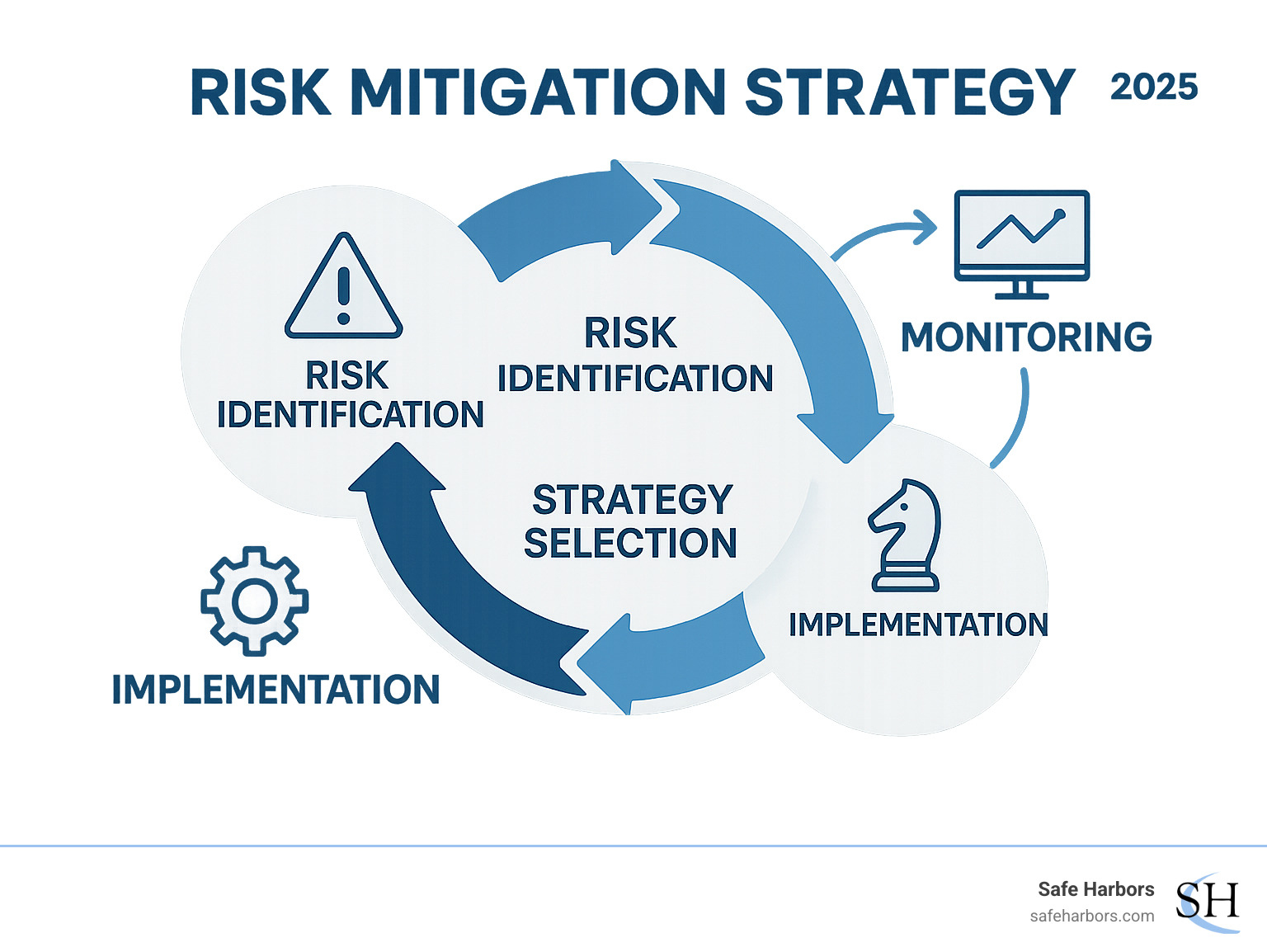
The system doesn't just find problems – it uncovers savings opportunities hiding in plain sight. It might spot chances for supplier consolidation, identify contracts ready for renegotiation, or reveal volume discount opportunities you're missing.

Automated spend analysis answers the questions that keep finance teams up at night:

  • What are we buying? Get a clear picture of your spending categories
  • Who are we buying from? Understand your supplier relationships
  • Are we getting the best price? Compare costs and identify negotiation opportunities
  • Where can we save money? Spot consolidation and efficiency opportunities
  • Are we following our own rules? Track policy compliance and contract adherence

These aren't just reports – they're roadmaps to better financial performance. When you can see exactly where every dollar goes, you can make decisions that actually move the needle on your bottom line.

Key Benefits of Implementing Automated Spend Analysis

When you implement automated spend analysis, you're not just organizing your financial data—you're open uping a change that touches every corner of your organization. The ripple effects are remarkable: substantial cost reduction, smoother operations, better risk management, and a truly strategic approach to procurement. Organizations using dedicated spend analysis software often see savings of up to 11% of their annual spend. That's not pocket change; that's changeal.

At Safe Harbors, we understand this change intimately. Managing corporate travel spend requires the same strategic thinking and visibility that automated analysis provides across all spending categories. Our experience shows how powerful strategic management can be, which you can explore in our guide to 7 Fundamental Ways Corporate Travel Management Saves Money.

Gain Unprecedented Spend Visibility and Control

Picture this: instead of hunting through multiple spreadsheets and systems to understand your spending, you have a centralized dashboard that shows everything in real-time. Every department, every category, every supplier—all visible at a glance. This isn't just convenient; it's for how you manage your organization's financial health.

This crystal-clear visibility immediately translates into better control over your spending. Take Purchase Order compliance, for example. Automated spend analysis can track exactly when purchases bypass your established procedures. American Eagle Outfitters consistently hit their 80% target for PO compliance, and those numbers translated directly into substantial savings. We've seen a manufacturing company identify $55 million in noncompliant POs and track 691 transactions worth $47 million—all because automated systems caught what manual processes missed.

For finance teams and travel managers, this level of oversight is a game-changer. You can enforce policies, reduce maverick spending, and ensure every dollar serves a strategic purpose. It's about bridging that often tricky gap between financial objectives and operational needs, something we explore in depth in The Business Travel Manager's Dilemma: Keeping Finance and Your Travelers Happy.

Drive Significant Cost Savings and Improve Cash Flow

Let's talk about the bottom line—because that's often what drives the decision to implement automated spend analysis in the first place. The cost savings potential is genuinely impressive. When you consolidate your spend data and apply advanced analytics, you suddenly see opportunities for supplier consolidation that weren't obvious before. Fewer vendors often means better bulk discounts and stronger negotiating positions.

Speaking of negotiations, having comprehensive spend data gives you serious leverage when it's time to renegotiate contracts. You're not guessing about your spending patterns anymore; you have concrete data showing exactly what you buy, when, and from whom. This knowledge is power at the negotiating table.

The system also highlights opportunities for early payment discounts that might otherwise slip through the cracks. These small percentages add up to substantial savings over time. Our research shows organizations can realize savings of up to 11% of their annual spend—a figure that can transform your financial performance.

Beyond direct cost reduction, automated analysis dramatically improves your cash flow forecasting. When you have a real-time, accurate picture of your payables and future spending commitments, your finance team can make much more precise cash flow predictions. This means better working capital optimization and greater financial stability overall.

Improve Strategic Sourcing and Supplier Management

Here's where automated spend analysis really shines: it lifts procurement from a transactional function to a truly strategic one. Instead of just processing purchase orders, you're making informed decisions about supplier performance, pricing trends, and overall value delivery.

Supplier rationalization becomes a data-driven process rather than a cost-cutting exercise. You can see exactly how much you spend with each vendor, identify consolidation opportunities that make sense, and strengthen relationships with your most valuable partners. This reduces administrative overhead while building more strategic partnerships.

The risk management benefits are equally compelling. Automated analysis helps you spot supply chain vulnerabilities—like over-reliance on a single supplier—before they become problems. You can build resilience into your supply chain based on actual data rather than assumptions.

This strategic approach to supplier relationships creates lasting value. When you understand your spending patterns and supplier performance at this level, you can build partnerships that deliver consistent value over time. For more insights on how strategic management approaches create broader business benefits, check out 5 More Benefits of Corporate Travel Management.

Tools and Technologies Powering Modern Spend Analysis

The world of automated spend analysis is powered by a fascinating ecosystem of tools and technologies that work together like a well-orchestrated symphony. Each component plays its part in changing your scattered spend data into clear, actionable insights that can drive real business value.

Key Types of Software and Tools

Many organizations start their spend analysis journey with what they already have: their Enterprise Resource Planning (ERP) systems. These workhorses of the business world, like SAP and Oracle, were designed to handle the day-to-day operations across finance, procurement, and other key functions. While ERPs often include basic spend analysis modules, they're like Swiss Army knives – good at many things but not necessarily the best tool for every specific job.

That's where dedicated standalone spend analysis software steps in to save the day. These specialized solutions are built from the ground up with one mission: to make sense of your spending data. They excel at automatically collecting data from multiple sources, cleaning it up with sophisticated algorithms, and presenting it through customizable dashboards. Think of them as the difference between using a basic camera phone versus a professional photography setup – both can take pictures, but one delivers dramatically better results.

The final piece of this technology puzzle is Business Intelligence (BI) tools, which are absolute game-changers for data visualization. Microsoft Power BI and similar platforms take complex spend data and transform it into beautiful, easy-to-understand charts and interactive dashboards. As Phil Simon, author of The Visual Organization, points out, using BI tools for data visualization is no longer an unattainable goal – it's become accessible to everyone, including procurement teams who need to present their findings clearly and effectively.

You can see this power in action through this Microsoft.com Example of a IT spend analysis dashboard, which shows how complex IT spending patterns can be made instantly understandable through smart visualization. When these BI tools work alongside your ERP or dedicated spend analysis software, you get real-time insights that make spotting trends and opportunities feel almost effortless.

The Transformative Role of AI in Automated Spend Analysis

Here's where things get really exciting: Artificial Intelligence isn't just changing spend analysis – it's completely revolutionizing it. AI, particularly machine learning, is like having a brilliant analyst who never sleeps, never makes mistakes, and gets smarter with every piece of data processed.

The magic starts with automated data cleansing and categorization. AI algorithms can spot inconsistencies in vendor names (like "IBM" versus "International Business Machines"), eliminate duplicate entries, and standardize formats faster and more accurately than any human team. These systems learn from patterns to correctly categorize even the most complex or ambiguous spend descriptions, turning what used to be weeks of manual work into minutes of automated processing.

Predictive analytics moves us from simply looking backward to actually seeing into the future. By analyzing historical spending patterns, AI can forecast upcoming expenditures with remarkable accuracy. This means better budgeting, fewer surprises, and the ability to plan strategically rather than just react to what's already happened.

Anomaly detection is where AI really flexes its muscles. These systems are incredibly good at spotting unusual spending patterns that might indicate maverick purchases, policy violations, or even fraudulent activity. It's like having a financial detective that never misses a clue, constantly scanning for anything that doesn't fit the normal pattern.

Natural Language Processing (NLP) allows systems to read and understand unstructured text from invoices, contracts, and emails. This means valuable insights hidden in written communications can finally be captured and analyzed, opening up entirely new sources of intelligence about your spending patterns.

Perhaps most impressively, AI-driven recommendations can actually suggest specific cost-saving opportunities and optimal supplier choices based on your unique spend data and current market conditions. It's like having a virtual procurement consultant that's always looking for ways to help you optimize and save money.

The beauty of AI integration is that your automated spend analysis becomes truly intelligent – constantly learning, adapting, and improving to deliver increasingly accurate and actionable insights that drive real business value.

Implementation: Challenges and Best Practices

Starting on the journey of automated spend analysis is exciting, but let's be honest – it's not always smooth sailing. Like learning to ride a bike, there might be a few wobbles along the way. The good news? With the right approach and mindset, these challenges become manageable stepping stones to success.

Think of implementation as building a house. You wouldn't start with the roof, right? The same principle applies here. For organizations looking to make similar strategic transitions, many of these lessons mirror what we see in other areas of business change. Our Your 6-Step Guide to Making the Move to Managed Travel offers a similar roadmap that many find helpful.

Common Challenges to Anticipate

The biggest hurdle most organizations face? Poor data quality. It's like trying to make a gourmet meal with ingredients that have been sitting in your pantry for years – the results won't be pretty. Incomplete records, inconsistent supplier names, and missing transaction details can throw even the most sophisticated system off track.

Then there's the reality of fragmented systems. Your procurement data might live in one system, accounting in another, and travel expenses in yet another. Getting them to talk to each other can feel like mediating a family dinner conversation – possible, but requiring patience and skill.

Resistance to change is another common challenge. It's natural for people to worry about new technology. Will it replace them? Will they need to learn completely new skills? These concerns are valid and need addressing with empathy and clear communication.

The statistics tell us that 28% of surveyed professionals stated that ineffective software makes spend management difficult. This highlights why choosing the right solution matters so much. The wrong tool can create more problems than it solves, turning what should be a streamlined process into a daily frustration.

Finally, many organizations jump in without defining clear objectives. Without knowing what success looks like, how can you measure whether you've achieved it? This lack of direction can lead to solutions that look impressive but don't actually solve your specific challenges.

Best Practices for a Successful Rollout

Success in implementing automated spend analysis comes down to taking a thoughtful, step-by-step approach. Think of it as building momentum rather than trying to move mountains overnight.

Start with a pilot project – this is perhaps the most important advice we can give. Pick one department or spend category and prove the concept there first. Maybe begin with office supplies or IT expenses. This approach lets you work out the kinks, show early wins, and build internal champions who can help spread enthusiasm throughout the organization.

Data governance isn't the most exciting topic, but it's absolutely critical. As Steve Farr of TIBCO Software wisely notes, "Don't make the mistake of forgetting about data governance when selecting your business intelligence solution." Establish clear rules about how data gets collected, entered, and maintained. Clean data in means reliable insights out.

Involve key stakeholders from day one. Your procurement team knows the pain points, finance understands the reporting needs, and IT knows what systems you're working with. Getting their input early prevents expensive course corrections later.

Comprehensive training makes the difference between adoption and abandonment. People need to feel confident using the new system. Invest in proper training sessions, create user guides, and establish support channels for when questions arise.

Measure ROI continuously to keep everyone motivated and on track. Track cost savings, time efficiencies, and compliance improvements. These metrics not only justify your investment but also highlight areas for further improvement.

Choosing the right partner is crucial for success. The same principles that apply to selecting any business partner – expertise, responsiveness, and cultural fit – matter here too. Consider the insights from 10 Factors to Consider When Searching for the Right Travel Management Partner, as many of these evaluation criteria apply directly to spend analysis solutions.

Implementation isn't a destination – it's the beginning of a journey toward more strategic, data-driven procurement decisions.

Conclusion

Automated spend analysis replaces error-prone spreadsheets with AI-driven visibility and control. It turns chaotic data into real-time insights that power proactive decisions and strategic procurement.

Organizations routinely realize up to 11% annual savings, tighter compliance, and better cash-flow forecasting, while uncovering noncompliant spend and improving PO adherence.

The future of procurement is here: intelligent automation, real-time data, and a culture where every dollar serves a purpose.

At Safe Harbors, travel spend is a major category. Our integrated solutions deliver the clean, categorized data finance leaders need to govern, forecast, and optimize travel costs while supporting business goals.

Ready to see the impact? Learn how we help CFO and Finance Executives gain control over travel spend.