Business Class vs. Economy: Evaluating the Upgrade Value
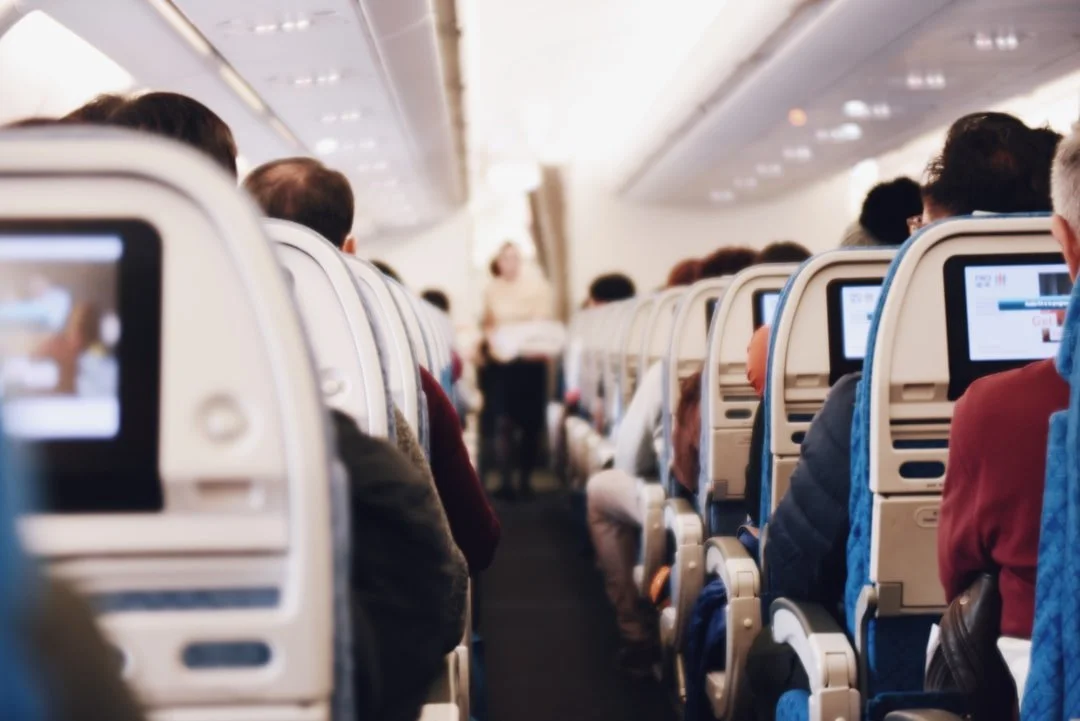
Choosing between cabin classes often comes down to balancing physical comfort against the bottom line. Economy class provides the essential service of moving a passenger from point A to point B, but long flights in narrow seats with minimal recline can leave travelers exhausted. On domestic routes, business class typically upgrades you to a wider recliner seat, complimentary alcohol, premium snacks, and two free checked bags. On long-haul international flights, the difference becomes far more pronounced.
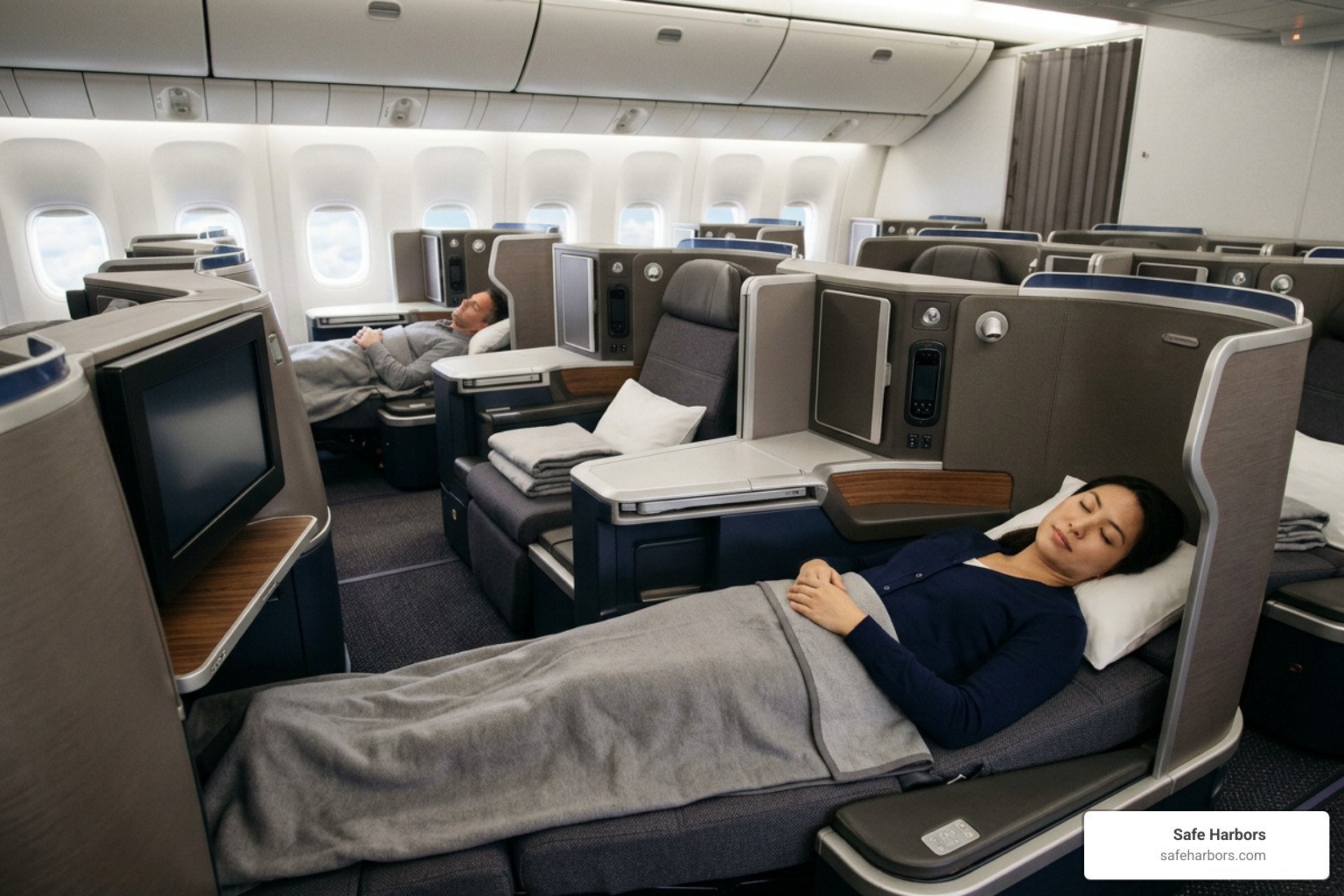
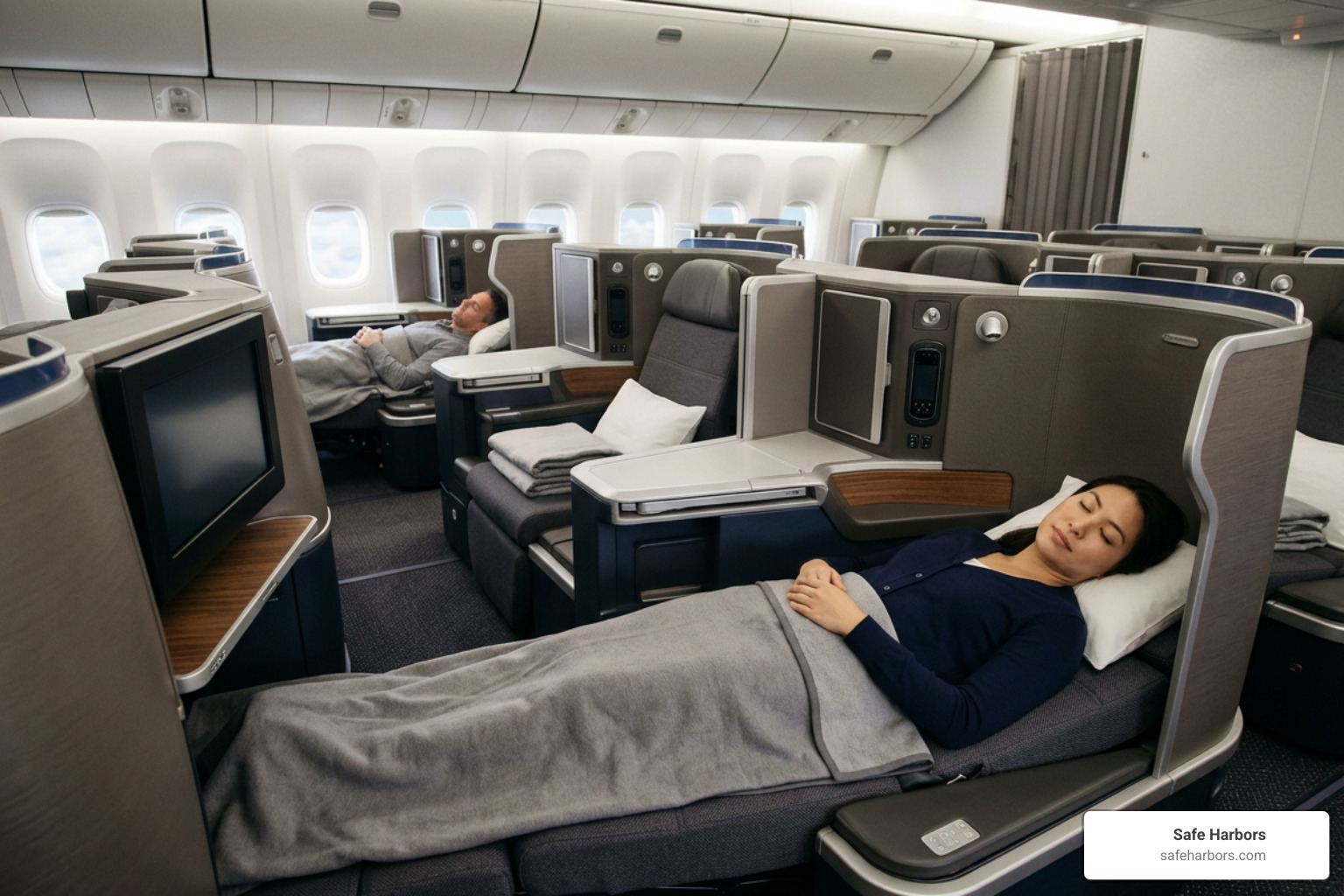
International business class delivers lie-flat beds, multi-course dining, premium champagne, high-end amenity kits, and access to exclusive airport lounges featuring showers and dining buffets. Beyond the onboard experience, business class tickets include priority check-in, expedited security lane access, and priority baggage handling, saving precious time at crowded hubs.
To determine if the upgrade is worth the financial outlay, consider flight duration and post-landing expectations. Paying a premium for a two-hour flight might not yield a strong return, but securing a lie-flat seat on an overnight flight allows team members to sleep, arrive refreshed, and head straight into critical meetings. To better understand how cabin features translate into organizational value, explore our comprehensive Business Class Air Travel Guide.
| Feature / Amenity | Standard Economy Class | Premium Business Class |
|---|---|---|
| Seating Experience | Upright seat with 30–32 inches of pitch | Recliner (domestic) or 180-degree lie-flat bed (international) |
| Airport Experience | Standard check-in lines and general security | Dedicated priority check-in, priority security, and priority boarding |
| Lounge Access | Not included (requires separate membership or pass) | Complimentary access to premium departure and arrival lounges |
| Baggage Allowance | Fees often apply for checked bags | 2 to 3 free checked bags with priority handling tags |
| In-Flight Dining | Basic meal or buy-on-board snacks | Multi-course meals, fine wines, and on-demand dining options |
| Typical Cost Range | $150 – $400 domestic; $600 – $1,500 international | $318 – $500 domestic; $1,500 – $6,200+ international |
How to Book Cheap Business Class Flights Using Cash Deals and Search Tools
Finding cash discounts on business class seats requires using modern search technology effectively. Google Flights remains one of the most powerful tools for discovering low business-class fares. When initiating a search, set your cabin preference to Business right from the beginning. If your travel dates are flexible, utilize the date grid and price graph features to immediately identify lower-priced departure days.
For travelers who know they want a getaway but are open to the location, Google Flights allows you to leave your destination set to "Anywhere." This feature scans global routes and surfaces unexpected premium deals. You can also enable price tracking toggle switches to receive real-time email notifications whenever cash fares drop on your preferred routes.
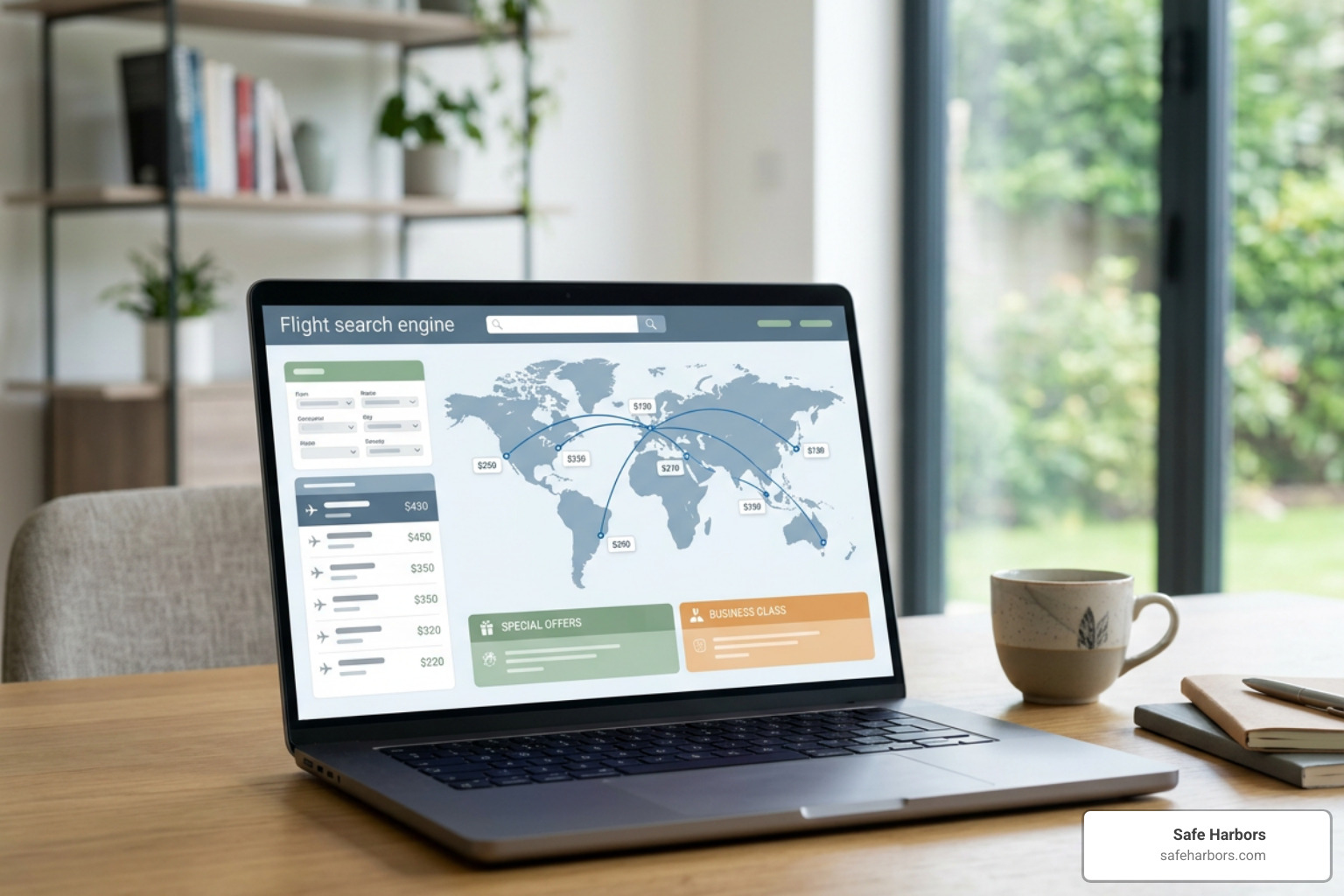
Beyond mainstream search engines, monitoring corporate booking engines and specialized flight comparison portals can uncover published sale fares. When evaluating flight results, analyze one-stop alternatives alongside non-stop flights. Routing through a secondary hub can sometimes reduce ticket costs by hundreds of dollars while adding only a short layover. For an in-depth dive into flight search mechanics, check out our guide on Business Flight Booking Strategies.
Strategic Booking Windows and Timing Tactics
Timing is critical when trying to book cheap business class flights. Unlike economy tickets, which often follow a predictable advance purchase window, premium cabin pricing responds dynamically to corporate demand patterns and unsold seat inventory.
- Advance Booking Calendar (11 Months Out): Major carriers open their booking calendars roughly 330 days in advance. Airlines often release their baseline business class fares at this time, offering good availability for peak holiday travel.
- The Domestic Sweet Spot (1 to 3 Months Out): For domestic business class travel, monitoring fares between 30 and 90 days before departure yields optimal cash pricing.
- The Last-Minute Window (2 to 4 Weeks Out): If business class cabins have unbooked seats as the flight date approaches, airlines frequently lower cash prices or open up award inventory to fill those seats rather than fly them empty.
- Shoulder Season Trajectories: Flying during shoulder seasons—such as late spring or early autumn—allows you to secure premium seats at a fraction of summer peak pricing, as corporate travel slows down during major holiday periods.

High-Value Routes to Book Cheap Business Class Flights
Many travelers assume business class is inherently priced in the thousands, but competitive domestic routes often yield surprising bargains. High-density corridors operated by multiple network carriers drive cash prices down significantly.
For example, business class round-trip fares on domestic routes frequently drop into accessible ranges:
- Chicago to Los Angeles: Round-trip business class fares starting around $458.
- Dallas to Los Angeles: Round-trip options starting as low as $466.
- Atlanta to Las Vegas: Round-trip premium deals starting at $440.
- Miami to Atlanta: Short-haul business class flights starting at just $318.
- Dallas to Las Vegas: Round-trip business class starting around $415.
- Chicago to San Francisco: Transcontinental business routes starting at $448.
- Chicago to New York: Key business corridors starting at $428.
- Dallas to Seattle: Pacific Northwest routes starting near $498.
- Atlanta to Los Angeles: Coast-to-coast business options starting around $500.
By targeting competitive carrier hubs, corporate travelers can experience business class comfort on domestic trips for costs comparable to full-fare economy tickets.
Maximizing Points and Miles for Premium Travel
Redeeming frequent flyer miles and credit card points represents one of the most effective methods to book cheap business class flights. While paying cash for an international lie-flat seat can easily exceed several thousand dollars, award redemptions can reduce your out-of-pocket expense to just the cost of government taxes and carrier fees.
Understanding how to navigate award programs opens up remarkable value. For detailed strategies on earning and redeeming rewards for business travel, read the comprehensive guide on Booking Business Class with Credit Card Points & Miles. Additionally, learn how high-value travelers structure their booking workflows in our VIP Flight Booking Guide 2026.
Leveraging Credit Card Points to Book Cheap Business Class Flights
Transferable credit card point currencies—such as American Express Membership Rewards, Chase Ultimate Rewards, Capital One Miles, and Citi ThankYou Rewards—provide maximum flexibility when booking award flights. Rather than locking yourself into a single airline loyalty program, transferable points allow you to shift balances to whichever airline partner offers the best award pricing for your desired route.
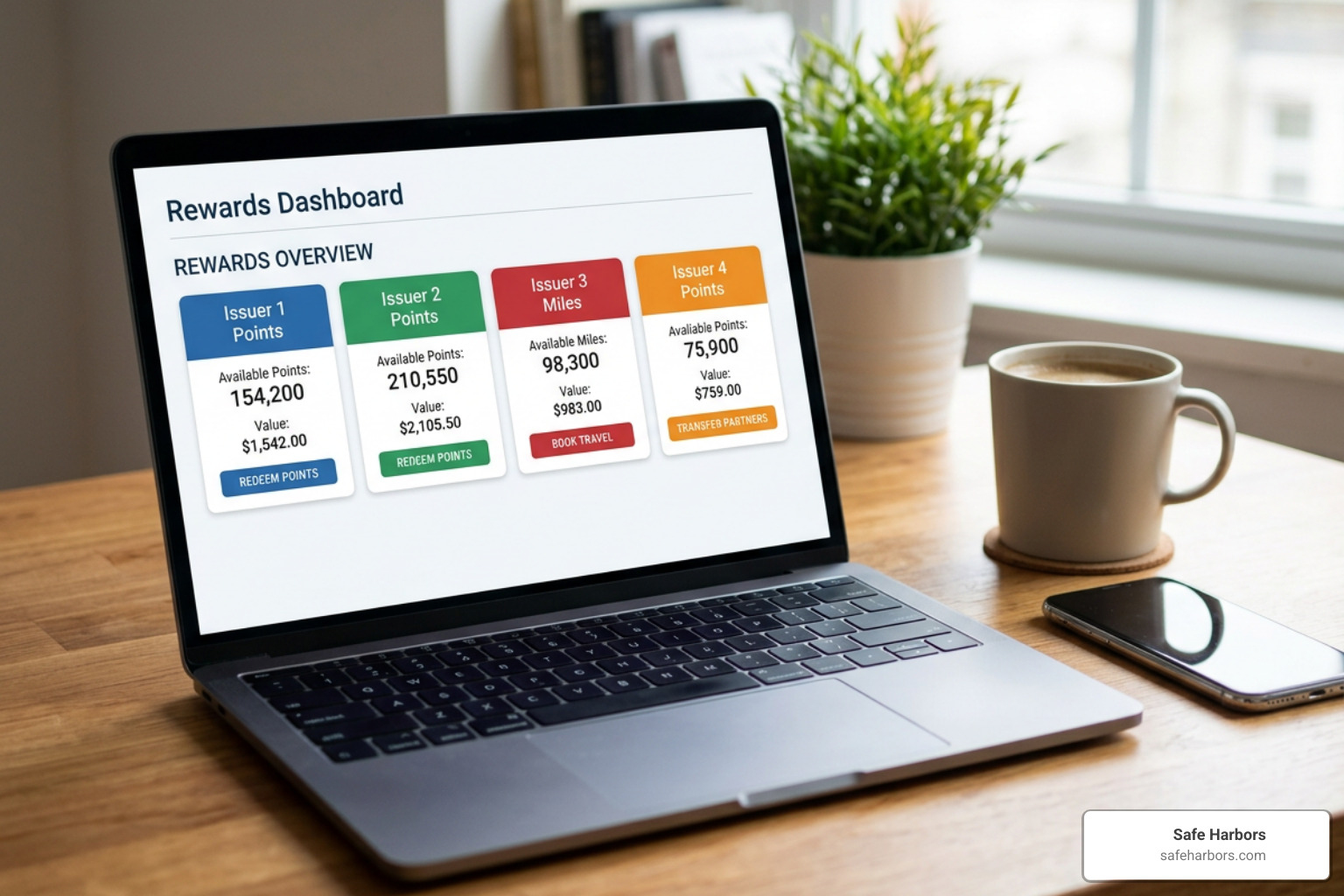
Airlines and credit card issuers regularly run point transfer bonuses ranging from 15% to 40%. Capitalizing on these promotional windows effectively lowers the total number of credit card points needed for a ticket. Furthermore, partner award redemptions frequently offer sweet spots. For instance, booking a transatlantic flight on KLM or Air France via Virgin Atlantic or Flying Blue can cost significantly fewer points than booking the exact same seat directly through a domestic legacy carrier.
To unlock these savings, award search aggregators simplify the hunt for open inventory across multiple airline networks simultaneously.
Navigating Award Availability, Taxes, and Hidden Fees
While award flights drastically reduce airfare costs, they are rarely completely free. Every award ticket carries out-of-pocket government taxes and potential carrier-imposed fuel surcharges.
For instance, booking Qatar Airways Qsuites using airline miles might cost 85,000 miles plus roughly $209 in taxes and fees per person. Flying American Airlines Flagship Suites on long-haul routes can require 65,000 miles and approximately $372 in taxes. A business class seat on KLM might require around 48,500 miles plus $302 in out-of-pocket fees, while Turkish Airlines business class can be secured for as few as 45,000 miles and $270 in fees. Some programs, like Virgin Atlantic, offer business class award redemptions starting as low as 29,000 points on select short-haul or partner routes.
Out-of-pocket cash requirements vary dramatically depending on the carrier and departure airport. Flying out of airports with high passenger service charges (such as London Heathrow) or booking on carriers that add heavy fuel surcharges can increase cash fees to several hundred dollars. However, choosing low-surcharge carriers can keep cash costs remarkably minimal—sometimes under $50 for transatlantic journeys. To explore how points can transform travel budgets, review the detailed breakdown in the Business Class to Europe for $47 — Free Playbook | WanderWise.
When booking travel for groups or family members, keep in mind that airlines often limit initial business class award space to just 1 or 2 seats per flight. To find space for multiple travelers, target loyalty programs like Flying Blue that routinely release larger blocks of award seats, or search right when the calendar opens.
Streamlining Corporate Travel Spend and Discount Programs
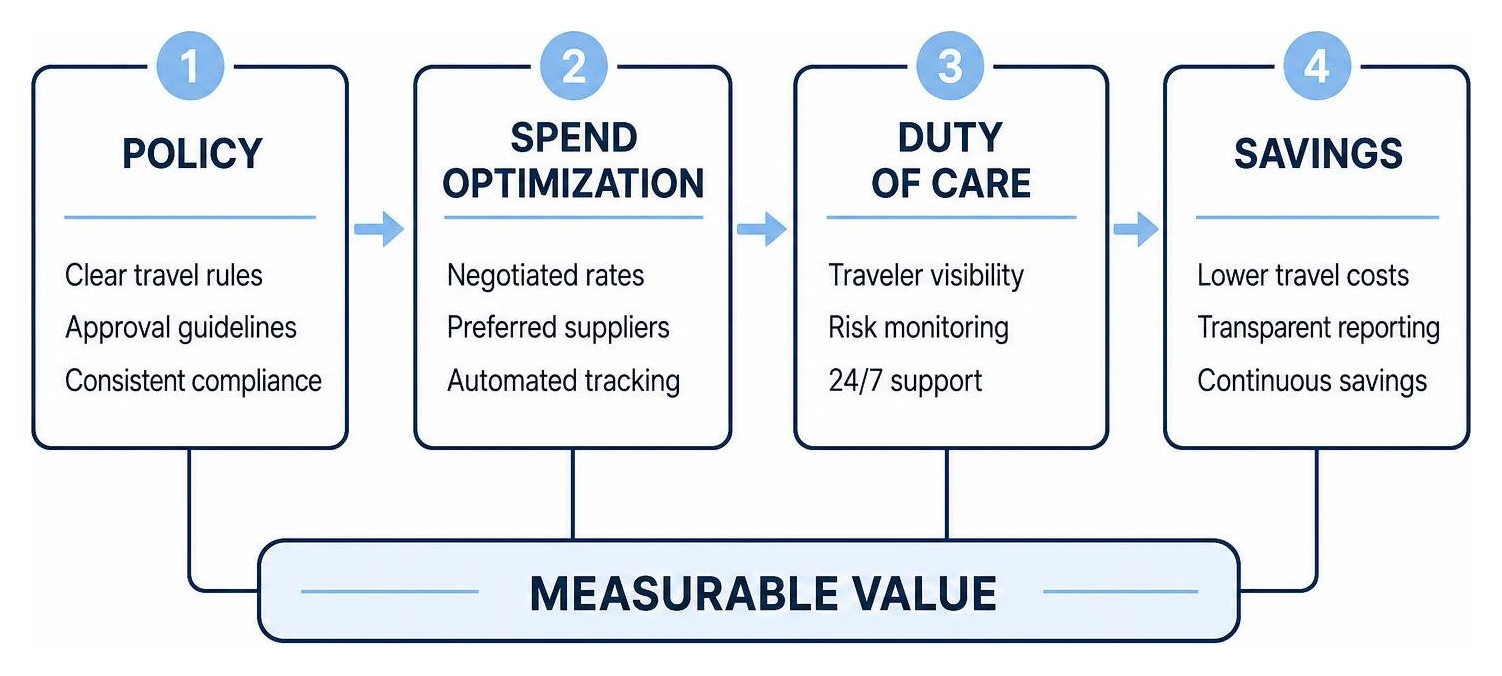
Managing company travel budgets requires balancing cost savings with employee safety, productivity, and convenience. Implementing a centralized managed travel program allows organizations to consolidate booking data, enforce travel policies, and unlock corporate discounts that aren't available to individual consumers.
Effective travel management tools help organizations control expenses without sacrificing comfort:
- Partnering with travel management companies to access negotiated corporate discounts and volume fare buckets.
- Setting clear policy guidelines for when business class upgrades are auto-approved, such as flights exceeding 6 to 8 hours.
- Utilizing automated corporate spend tools to capture hidden fees, monitor flight credits, and optimize travel budgets.
- Centralizing duty-of-care tracking so risk management teams can locate and support traveling employees 24/7.
- Combining corporate loyalty programs with individual card rewards to double-dip on points accumulation.
For additional strategies on managing business travel expenses, dive into our comprehensive resources on the Corporate Travel Spend Guide, the Travel Spend Management Complete Guide, and our detailed Business Travel Expenses Guide.
Frequently Asked Questions About Booking Business Class
Which airlines offer the most affordable business class flights from the US?
Major US legacy carriers—including American Airlines, United Airlines, and Delta Air Lines—frequently offer competitive business class pricing across their primary domestic and international hubs. For example, American Airlines operates direct business class routes out of 17 major US gateways, offering extensive connections through hubs like Miami, Dallas, and Charlotte. United Airlines similarly provides strong premium seat inventory out of Newark, Houston, and Chicago. On select domestic transcontinental routes, regional and low-cost carriers like JetBlue (Mint) and Breeze Airways offer highly competitive premium cabin pricing that challenges traditional legacy fares.
How far in advance should you book business class flights?
For cash bookings, the optimal window for international business class is typically between 2 to 6 months prior to departure. Domestic business class fares often hit their price sweet spot 1 to 3 months out. For award travel using points and miles, the best strategy is to book either very early or very late. Airlines open their award schedules roughly 11 months (330 days) in advance, releasing an initial tranche of seats. If you miss that window, airlines frequently release unsold business class inventory as award seats 2 to 4 weeks prior to departure.
How can you find award availability for multiple passengers?
Finding business class award space for two or more passengers requires flexible planning and strategic search tools. Utilize specialized award search engines that scan alliance availability across multiple dates. Look for loyalty programs like Air France/KLM Flying Blue or Virgin Atlantic, which are known to release up to 4 to 6 business class award seats on specific routes. If multiple seats are unavailable on a single non-stop flight, consider splitting your group across two flights operating on the same day or routing through nearby regional hubs using positioning flights.
Conclusion
Learning to book cheap business class flights comes down to leveraging flexible search tools, capitalizing on strategic booking windows, and maximizing flexible credit card points. Whether you are an individual traveler aiming for a lie-flat bed to Europe or a corporate travel manager striving to optimize company travel budgets, combining smart cash booking tactics with award redemptions yields exceptional value.
At Safe Harbors, we specialize in helping organizations navigate global business travel with complete confidence. Through our white-glove corporate travel solutions, we deliver rapid response support, elite tech partnerships, flexible booking platforms, and full duty-of-care management. We help companies reduce travel spend while ensuring their employees travel safely, comfortably, and efficiently.
To elevate your organization's business travel program and unlock corporate airfare value, explore our tailored Business Travel Services by Safe Harbors.